Sailboat Removal for Yard-Stored Boats
From daysailers to catamarans, we haul away tired sailboats, hulls, and trailers stored in yards and storage lots.
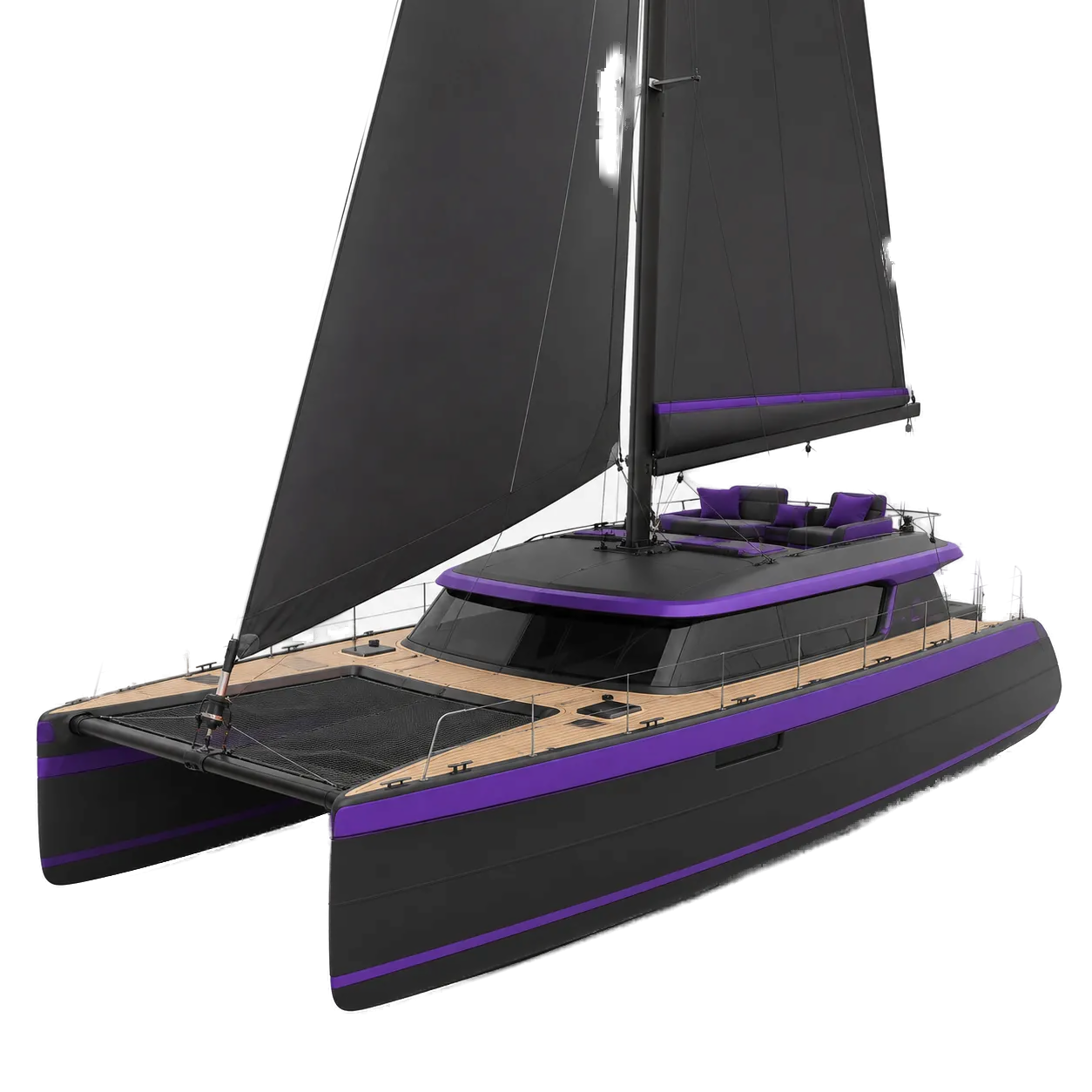
Sailboat Removal for Hulls, Trailers, and Yard Projects
Old sailboats have a way of settling into a yard or storage lot and never leaving. Fiberglass, aluminum, and wood hulls get heavy, trailers rust into soft ground, and masts and rigging pile up beside the keel. Our sailboat removal service handles the whole picture: measuring hull length and material, checking trailer condition, and planning loading access for the truck and trailer. Whether you have a small sailing dinghy or a longer keeled cruiser, we review the details up front so pickup day goes smoothly. Below you will find the sailboat types we can review, the factors that shape a quote, prep steps for fuel and batteries, and how we plan disposal.
Sailboats Items We Can Review
Use this directory to see which items belong in this category. Linked items already have their own detailed removal page; unlinked items are still part of the category list.
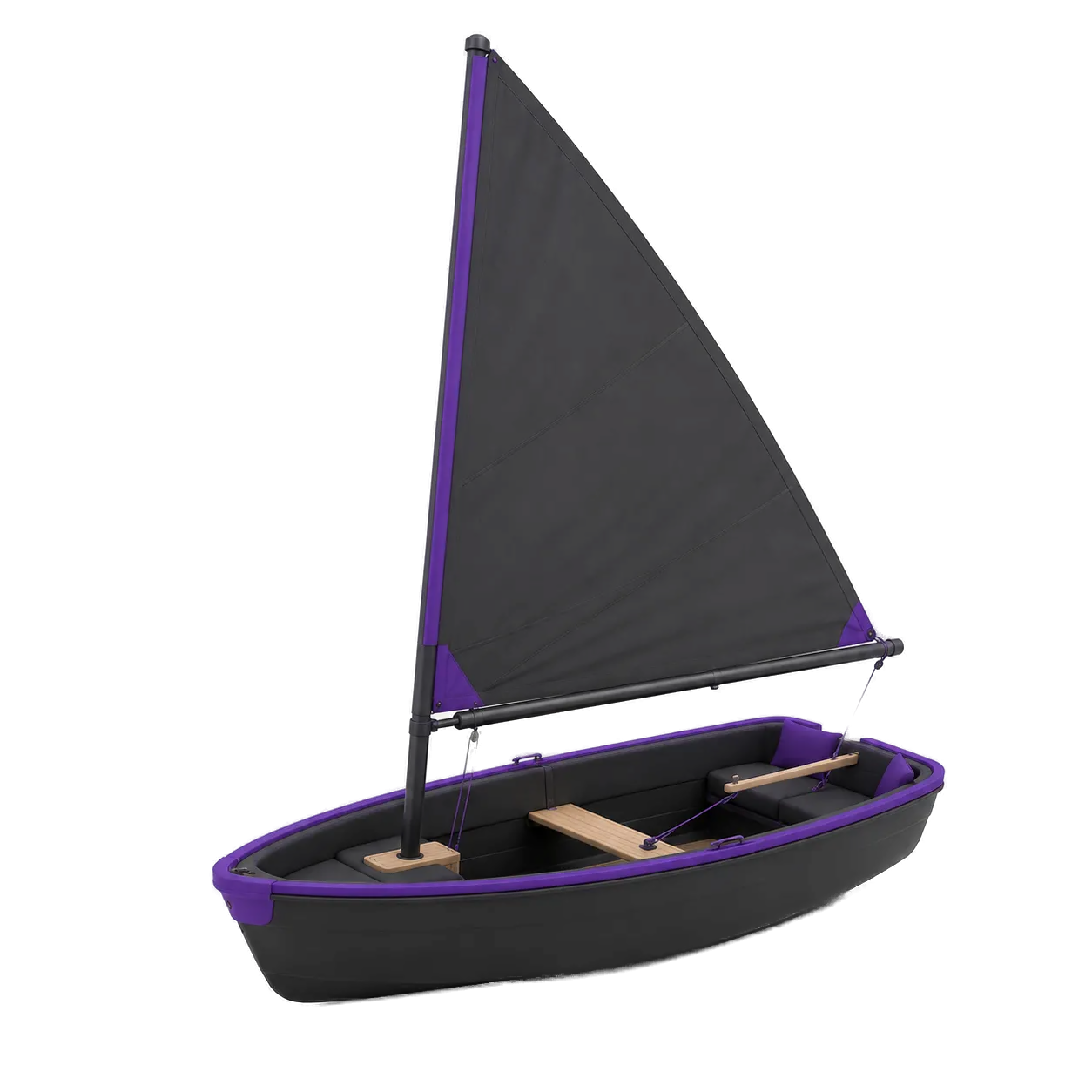
Popular Sailboat Types We Remove
These sailboat categories each have a dedicated page with details on hull size, access, and pickup planning.
Sailboats
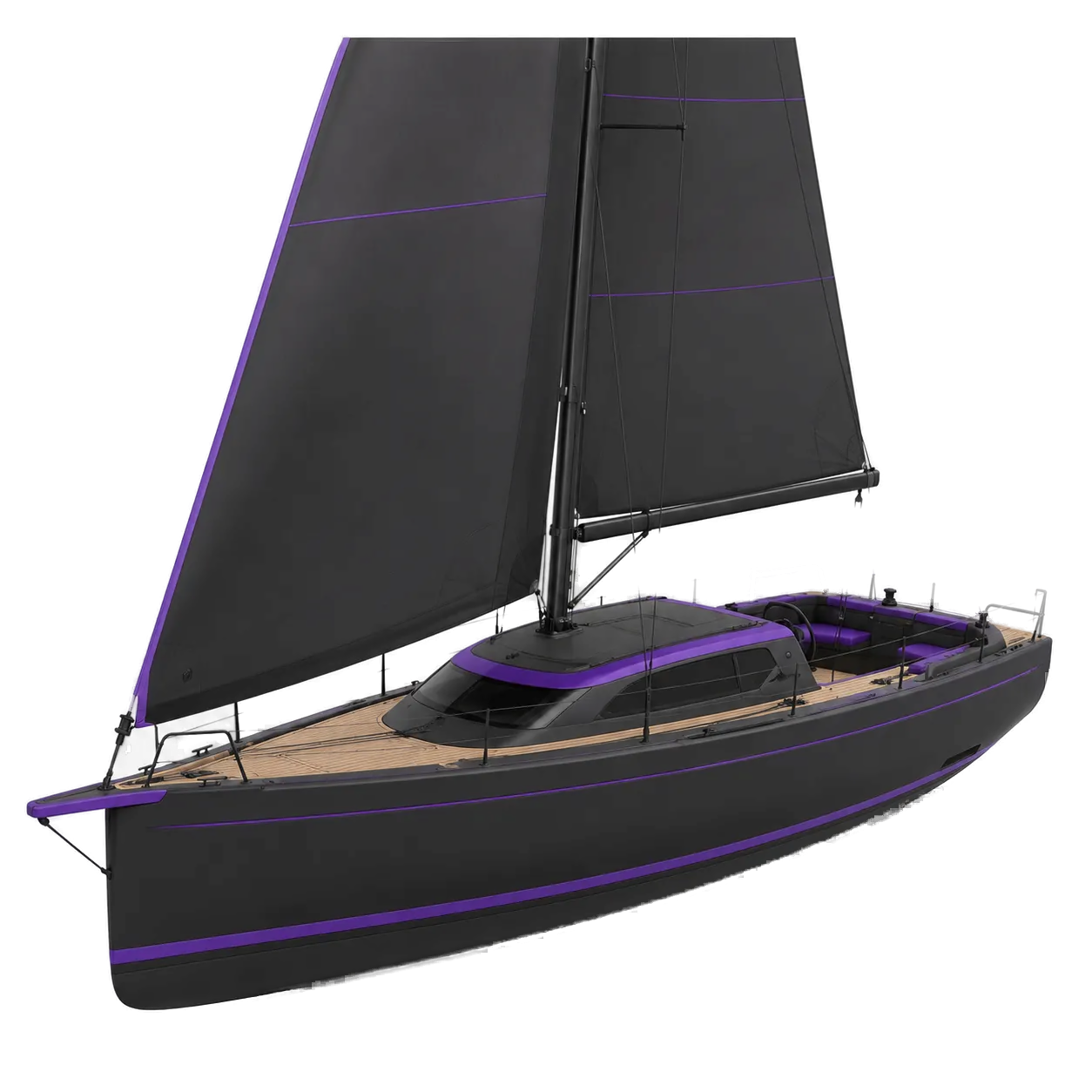
Full-size sailboats with keels, masts, and rigging, including yard-stored and derelict hulls that need loading and dismantling.
View detailsSmall Sailboats
Lighter fiberglass or aluminum hulls that are easier to load but still need trailer and access review before pickup.
View detailsCatamarans
Twin-hull sailboats with a wide beam that often affects loading access, ground conditions, and dismantling plans.
View detailsDaysailers
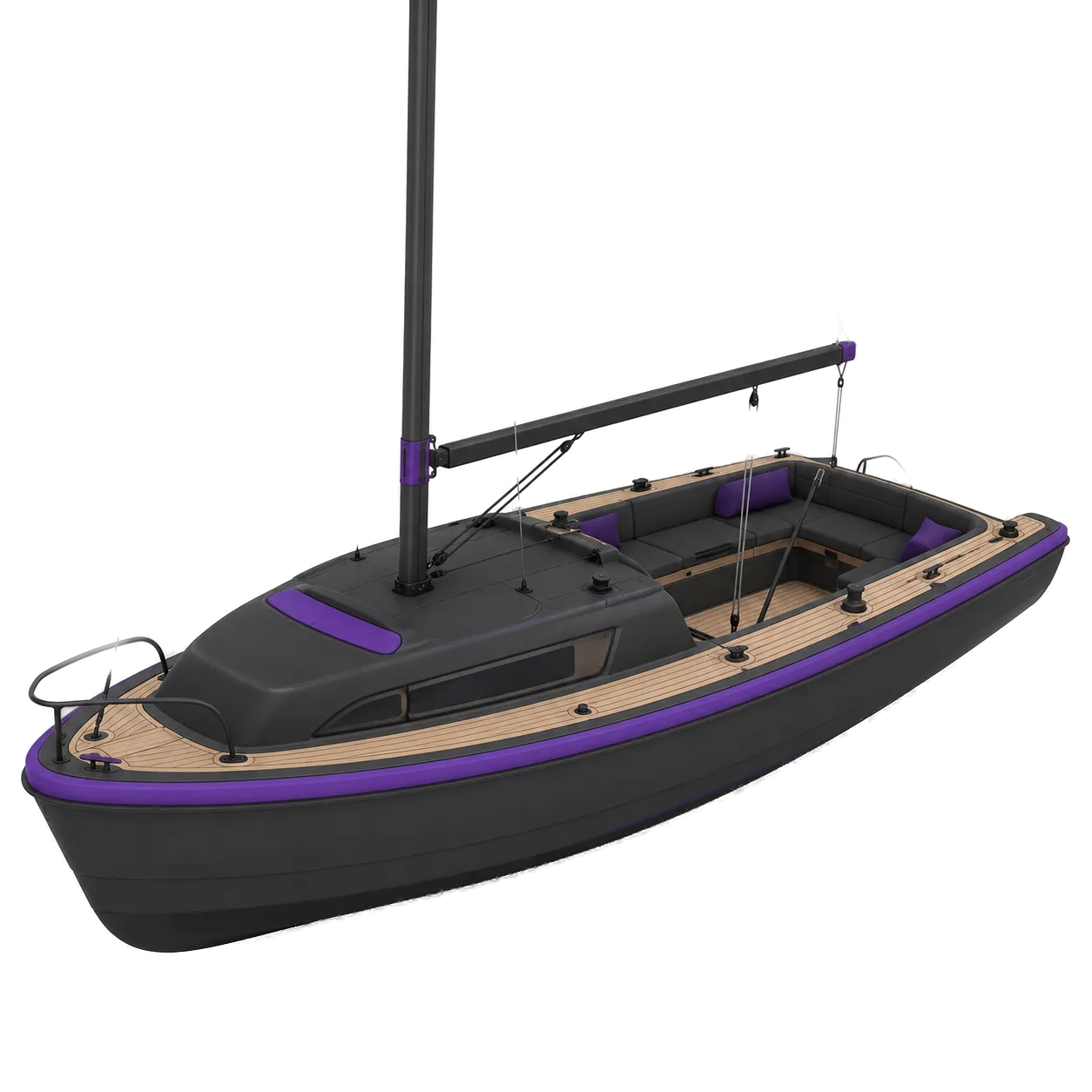
Open-cockpit sailboats stored in yards or on trailers, typically simple to load once rigging and mast are handled.
View detailsSailing Dinghies
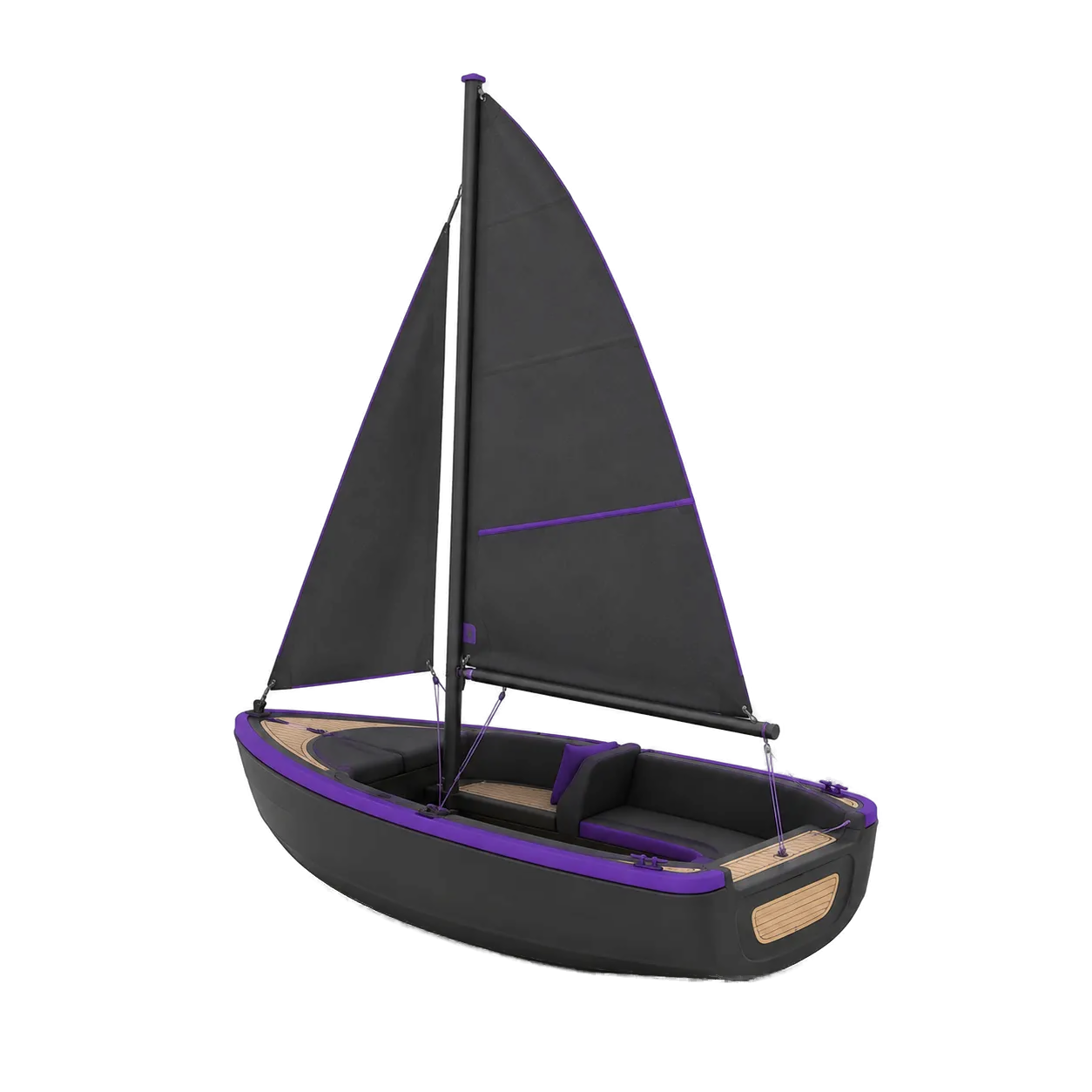
Compact wood or fiberglass dinghies that are quick to remove, with or without a trailer, from tight yard spots.
View detailsWhat Shapes a Sailboat Removal Quote
A few practical details help us plan the right crew and equipment for your hull.
Hull length and material
Length and whether the hull is fiberglass, aluminum, or wood affects weight, handling, and any dismantling that may be needed.
Weight and keel
A heavy keel or waterlogged hull raises the effort to move and load the boat, so we plan lifting and support accordingly.
Trailer availability and condition
A usable trailer can speed loading, while a rusted trailer with flat tires or a broken axle may need to leave with the hull.
Loading access
Gate width, slope, soft ground, standing water, and turning room for the truck and trailer all shape the loading approach.
Dismantling and disposal path
Mast, rigging, and separated materials such as metal hardware, fiberglass, and wood influence the plan and the disposal path.
Pickup Options
Choose the option that matches where your sailboat sits and whether a trailer is part of the job.
On-property boat pickup
For sailboats resting in a yard or driveway, we review ground conditions, gates, and slope, then load the hull from where it sits.
Trailer, yard, or storage-lot pickup
For boats parked in a storage lot or on a trailer, we plan lot access and soft-ground handling so the hull and trailer can be moved out cleanly.
Boat and trailer pickup
When the trailer is going too, we take the hull and trailer together and separate components such as metal and fiberglass where practical.
How to Prepare Your Sailboat
A little prep keeps pickup day safe and efficient.
Remove fuel, oil, and chemicals
Fuel, oil, and chemicals must be removed before pickup. Drain tanks and take out any fluids stored aboard.
Pull batteries and loose gear
Remove batteries, personal items, and loose gear from the cockpit, cabin, and storage lockers ahead of time.
Lower or secure the mast and rigging
If the mast and rigging are already down, keep them alongside the hull so we can load them with the boat.
Clear the loading path
Open gates, move vehicles, and note soft ground, slopes, or standing water so the truck and trailer have room to work.
How Sailboat Materials Are Handled
After pickup, boat materials may be separated where practical: metal hardware, trailer components, fiberglass, wood, and reusable parts often follow different paths. Aluminum fittings and steel from a trailer can head one direction, while fiberglass hull sections and wood go another. We plan a sensible disposal route based on hull material, weight, and condition, but we never promise a specific salvage or recycling outcome for any given boat. What we can do is take the whole project off your property and route each part responsibly.
How Sailboat Removal Works
Four simple steps from first message to an empty yard.
Share your sailboat details
Tell us the hull length, material, trailer condition, and where the boat sits so we can review the job.
Get a quote
We review access, ground conditions, and dismantling needs, then provide a quote based on those factors.
Schedule the pickup
Pick a time that works, finish prep by removing fuel, oil, and batteries, and clear the loading path.
We load and haul it away
Our crew handles loading, any needed dismantling of mast and rigging, and hauls the hull and trailer off site.
Frequently Asked Questions
Do you remove sailboats without a trailer?
Yes. We handle on-property boat pickup for hulls resting in a yard or storage lot. We review ground conditions, gates, and slope, then plan loading with the right equipment even when no trailer is available.
Can you take the mast and rigging too?
Yes. Mast, rigging, and related hardware can leave with the hull. If they are already lowered and set beside the boat, loading is faster, and dismantling can be planned when needed.
What do I need to remove before pickup?
Fuel, oil, and chemicals must be removed before pickup, along with batteries, personal items, and loose gear. Draining tanks and clearing the cabin keeps the job safe and efficient on pickup day.
Does soft ground or standing water affect the job?
It can. Soft ground, slopes, and standing water influence how the truck and trailer approach the hull. Sharing these details early helps us plan safe loading and avoid surprises.
What happens to my old sailboat after removal?
Materials may be separated where practical, including metal hardware, trailer components, fiberglass, wood, and reusable parts. We route each part responsibly but do not promise a specific recycling or salvage result.
Related Pages
Ready to Clear That Sailboat Out?
Whether it is a dinghy on a trailer or a keeled cruiser stuck in the yard, EZ Hauling Services can review the details and plan a smooth pickup. Share your hull length, material, and access, and we will handle the sailboat removal from there.