Old Boat Removal for Unwanted and Non-Running Boats
An aging boat can turn into a storage problem long before its owner is ready to deal with it. EZ Hauling Services reviews the vessel, trailer, location, condition, and access details so you can get a practical removal quote instead of guessing how the project will work.
888-401-7041
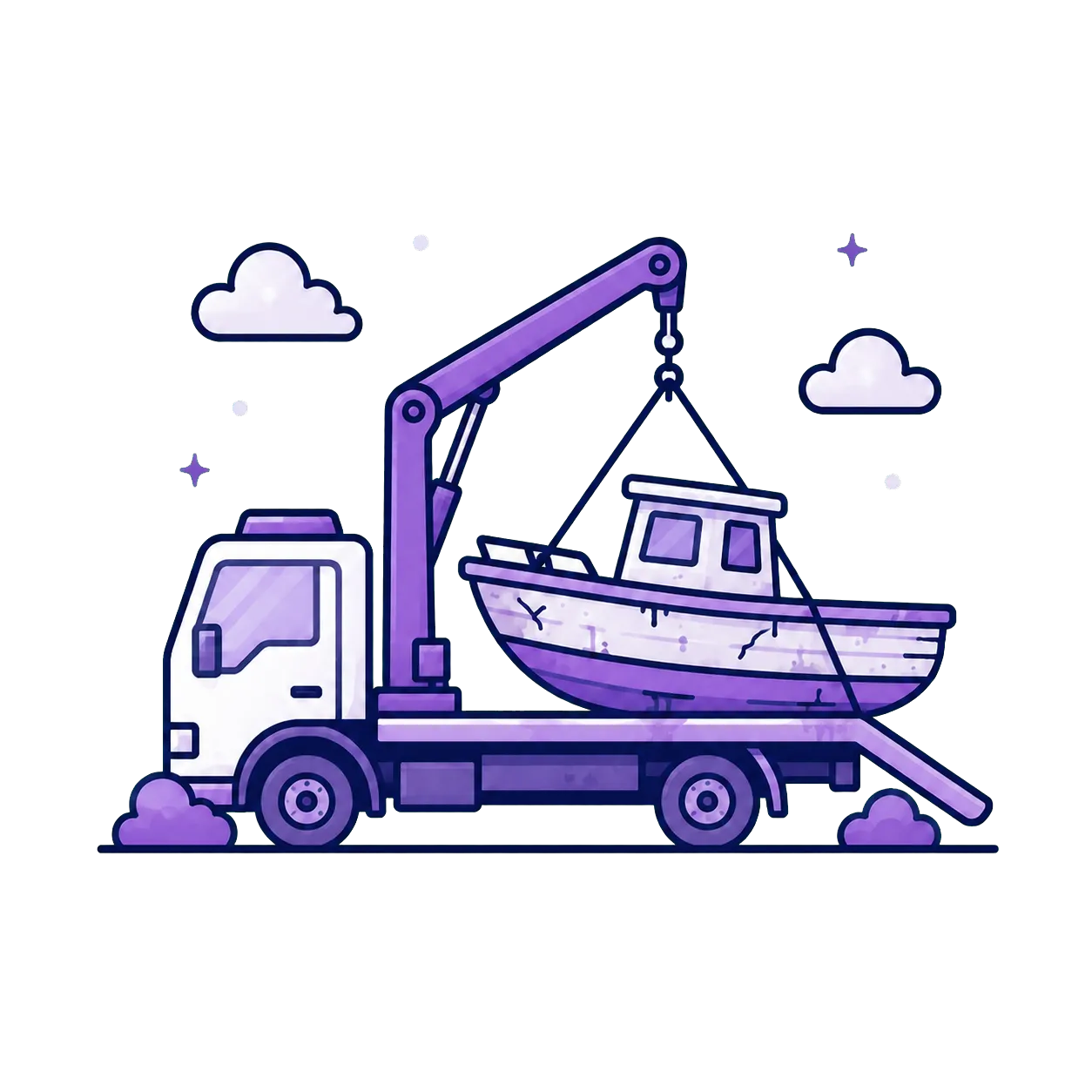
A Clear Exit for a Boat That No Longer Has a Use
Old boat removal is intended for vessels that are no longer practical to repair, sell, donate, or keep in storage. The boat may be weathered, non-running, damaged, partially dismantled, or sitting on a trailer that is no longer roadworthy. The first step is not a blind pickup appointment. It is a review of what the boat is, where it sits, and what must happen before it can be loaded.
Send current photos, approximate dimensions, hull material, trailer details, and a description of the access route. That information helps determine whether the boat can move as one unit, needs additional preparation, or requires a different loading approach. The resulting quote is tied to the actual condition of the project.
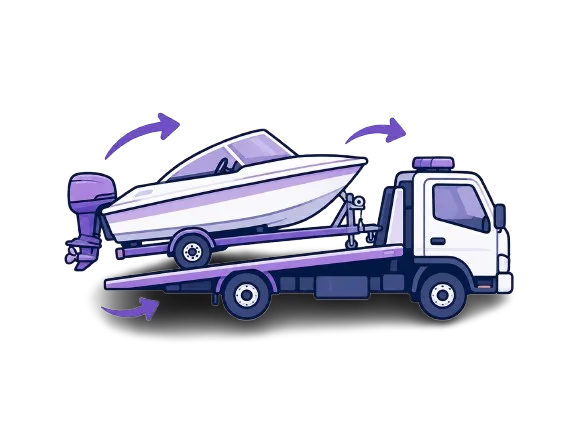
When Old Boat Removal Becomes the Practical Next Step
Every vessel reaches the end of its useful life differently. These are common situations that call for a removal plan rather than another season of storage.
Non-Running Boat
Engine or electrical problems have left the boat idle, and the expected repair cost no longer makes sense for the owner.
Damaged Hull
Cracks, rot, collision damage, storm exposure, or years outdoors have reduced the vessel to a project with little resale value.
Inherited or Left Behind
A boat remains after a property sale, estate transition, tenant move, or ownership change and needs an authorized removal path.
Long-Term Storage Problem
The vessel occupies a driveway, side yard, storage space, or marina location that needs to be cleared for another use.
The Boat and Trailer Are Reviewed Together
A boat that looks simple in a photograph may have a trailer, hull, or access problem that changes the loading plan.
Hull and Structure
Share the hull material and visible damage. Fiberglass, aluminum, wood, waterlogged sections, loose panels, and unstable components can require different preparation.
Engine and Components
Note whether the engine, batteries, fuel, oil, or loose equipment remain aboard. Restricted materials or leaking fluids must be identified before scheduling.
Trailer Condition
Flat tires, missing wheels, seized bearings, broken tongues, rust, and bent frames can prevent a trailer from rolling or being used on the road.
Property Access
Gate width, driveway slope, overhead clearance, soft ground, parked vehicles, and the space available for loading all affect feasibility.
What to Send for an Old Boat Removal Quote
Useful details at the beginning reduce follow-up questions and help identify the right removal route.
Current Photos
Include the full boat from several angles, the trailer if present, visible damage, and the route from the boat to the street.
Size and Hull Type
Provide the approximate length, width, boat type, and hull material rather than relying on a model name alone.
Exact Position
Explain whether the boat is in a driveway, yard, marina, storage lot, on blocks, at a dock, or sitting on a trailer.
Permission to Remove
The person arranging the job must be able to authorize removal from the property or facility. Additional context may be requested.
Remaining Contents
Identify fuel, oil, batteries, engines, gear, debris, or personal property that remains inside or around the vessel.
Access Obstacles
Mention gates, fences, branches, soft soil, tight turns, slopes, low wires, parked equipment, or facility restrictions.
How the Removal Plan Takes Shape
The final approach depends on whether the boat and trailer can move safely and how close suitable equipment can get.
Review the Vessel
Photos and project details establish the boat type, condition, approximate weight factors, trailer status, and ownership context.
Confirm Access
The route is checked for width, surface, slope, turns, overhead clearance, and space to position for loading.
Set the Scope
The quote reflects labor, loading, preparation, hauling, and the expected handling route after pickup.
Remove and Clear
Once scheduled and prepared, the vessel is loaded according to the agreed scope and the occupied area is cleared.
What Affects Old Boat Removal Cost
There is no useful one-price-fits-all number for an old vessel. The quote follows the physical work and access involved.
Length and Overall Size
Larger hulls require more loading space, hauling capacity, and planning than compact fishing boats or personal watercraft.
Weight and Water Exposure
Engines, equipment, absorbed water, interior debris, and heavy structural components can increase the work required.
Structural Condition
A stable boat on a usable trailer presents a different project from a collapsed hull or a vessel that cannot be moved intact.
Trailer Readiness
A rolling trailer may simplify positioning, while missing wheels, seized axles, or a broken frame can change the loading method.
Distance and Access
Long carries, narrow gates, soft ground, marina rules, or limited staging space can add labor and coordination.
Handling Requirements
Preparation, separation, restricted materials, disposal availability, and local facility requirements influence the final scope.
Responsible Handling After Pickup
An old boat contains a mix of materials rather than one simple recyclable item. Metal components, reusable equipment, batteries, fiberglass, wood, upholstery, and general debris may follow different routes. Condition and local receiving options determine what is practical at the time of removal.
EZ Hauling Services aims to use appropriate salvage, recycling, or disposal routes where they are available, but no specific recovery outcome is promised. The important first step is identifying remaining fluids, batteries, loose material, and other concerns before the crew arrives.
Related Boat Removal Resources
Continue with the main service overview, compare hauling and marina pickup options, review pricing factors, or locate coverage for your area.
Old Boat Removal FAQ
Answers to common questions before requesting a quote.
Yes. Non-running vessels are a common reason to request old boat removal. Share the size, condition, engine status, trailer details, and current location so the loading requirements can be reviewed.
A damaged trailer does not automatically rule out removal, but it changes the project. Include photographs of the tires, wheels, axles, frame, tongue, and the ground around the trailer.
Some trailerless boats can be reviewed for removal. The hull size, structural condition, support method, access, and available loading space determine whether a workable approach is available.
The person arranging pickup must have permission to remove the vessel from the property or facility. Title, registration, property, estate, or facility questions may need clarification before scheduling.
Disclose anything remaining in or around the boat. Fuel, oil, batteries, chemicals, loose gear, and personal property may require preparation or a separate handling decision before pickup.
Send current photos plus the boat type, approximate dimensions, condition, location, trailer status, and access notes. The quote can then reflect the actual loading and hauling factors.
Ready to Remove That Old Boat?
Send clear photos and project details for a removal review based on the vessel, trailer, condition, and access—not a generic flat estimate.
888-401-7041