Professional Boat Removal Services in Boston, MA
EZ Hauling Services helps boat owners, property managers, marina and storage facility managers, estate representatives, and businesses remove old, damaged, unwanted, or non-running boats throughout Boston and all of Suffolk County. Whether the vessel is sitting in a driveway, backyard, dock area, or storage lot, the process starts with your service address, clear photos of the boat and the access path, the boat type and approximate length, its current condition, trailer status, and any relevant site rules or deadlines—send that information to request a boat removal estimate or call (888) 401-7041 to speak with a representative directly.

Boat Conditions and Types Reviewed for Removal
Boat removal services include a wide range of vessel types and conditions. EZ Hauling reviews each job individually, so the condition of the boat—whether functional, partially damaged, or completely non-running—does not automatically disqualify it from service. Below are common situations submitted for review.
Vessel Types
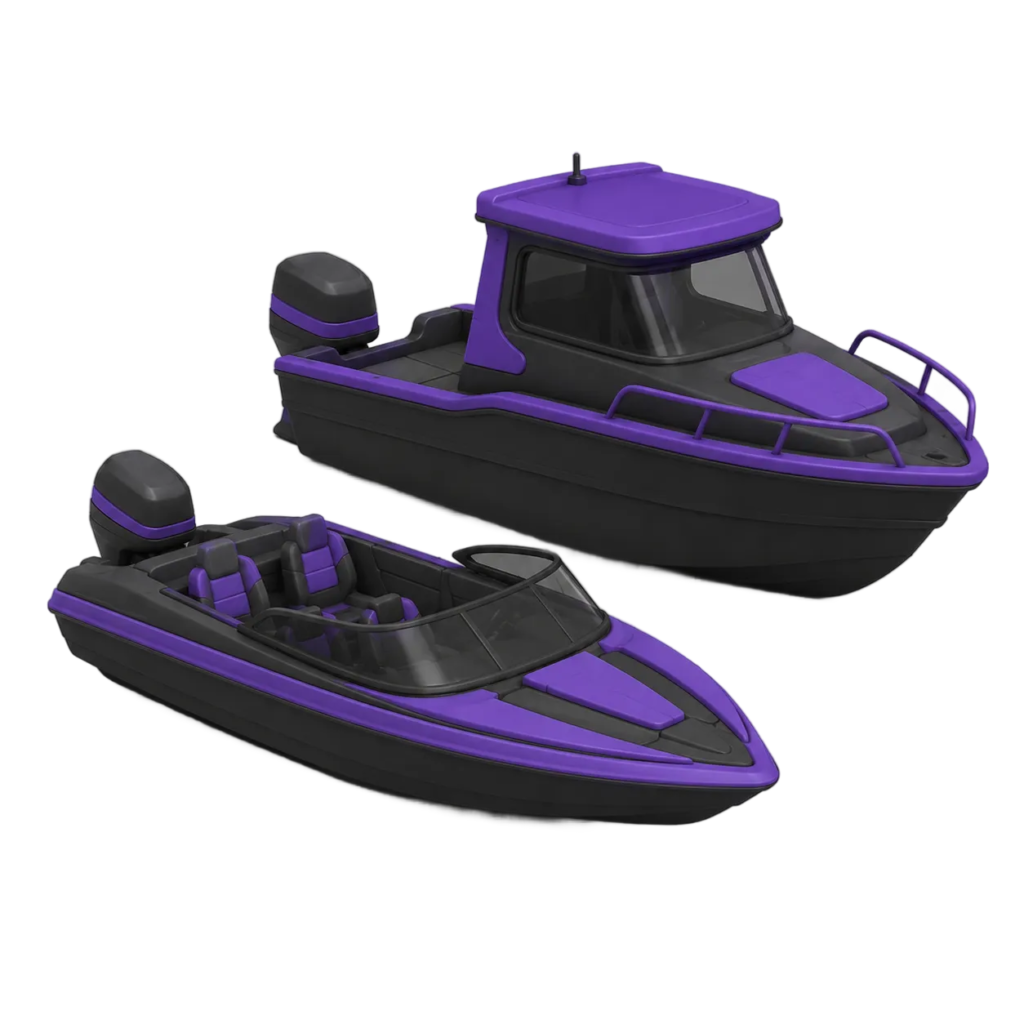
- Motorboats and center-console boats
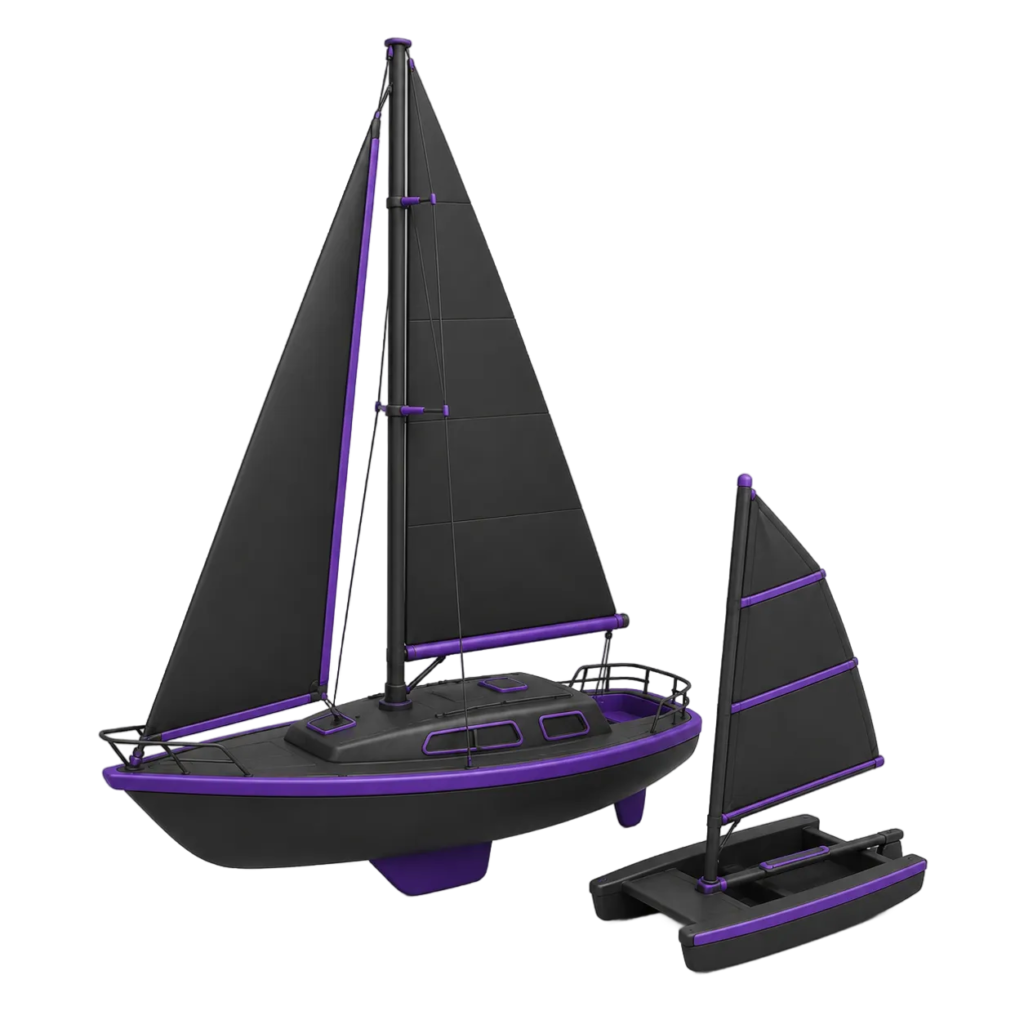
- Sailboats and sailing dinghies
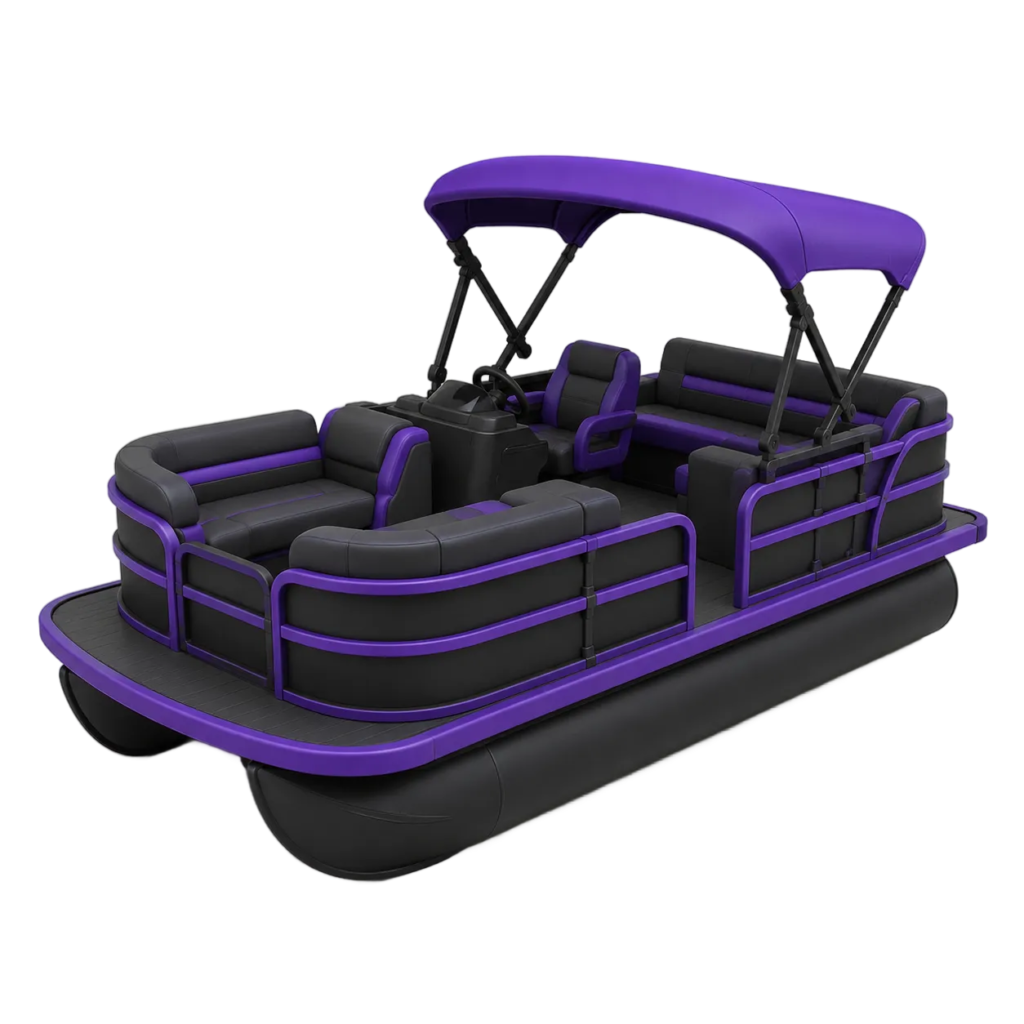
- Pontoon boats
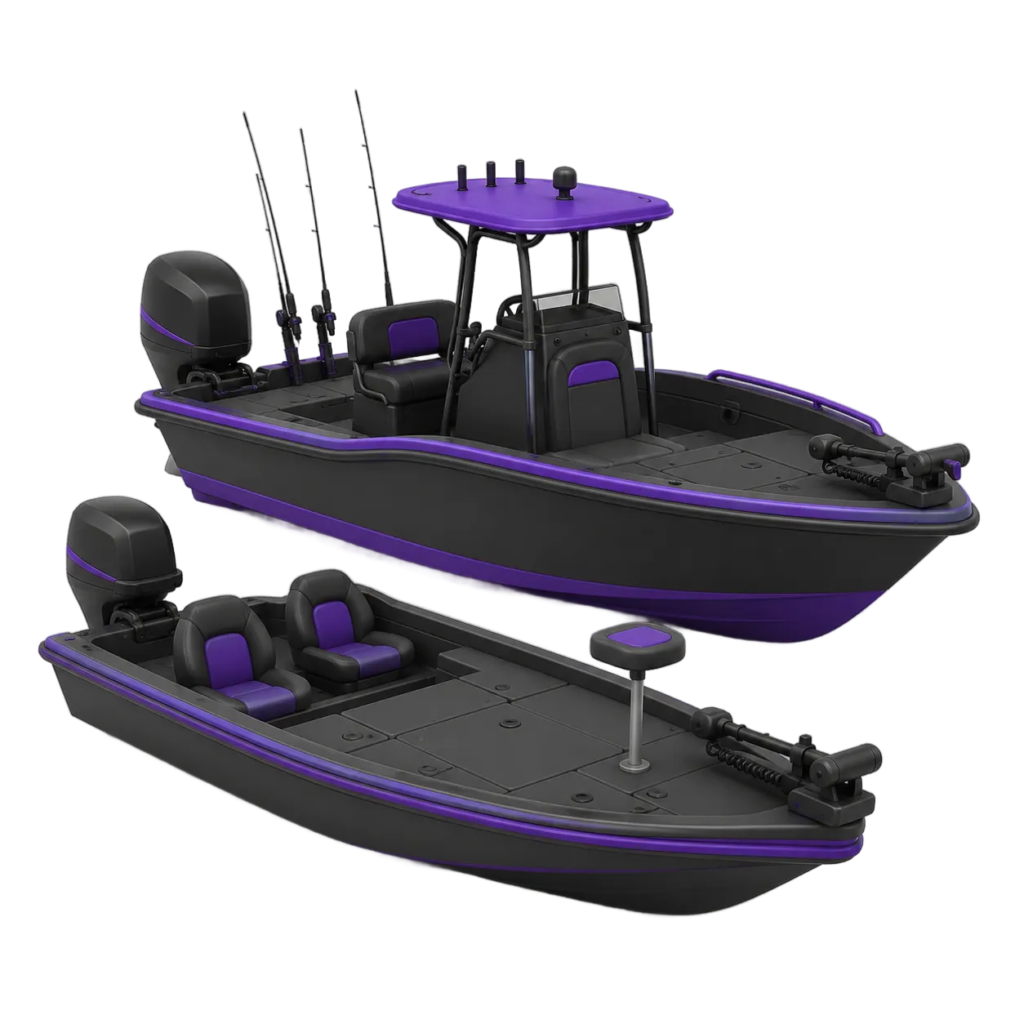
- Fishing boats
- Personal watercraft (jet skis and similar)

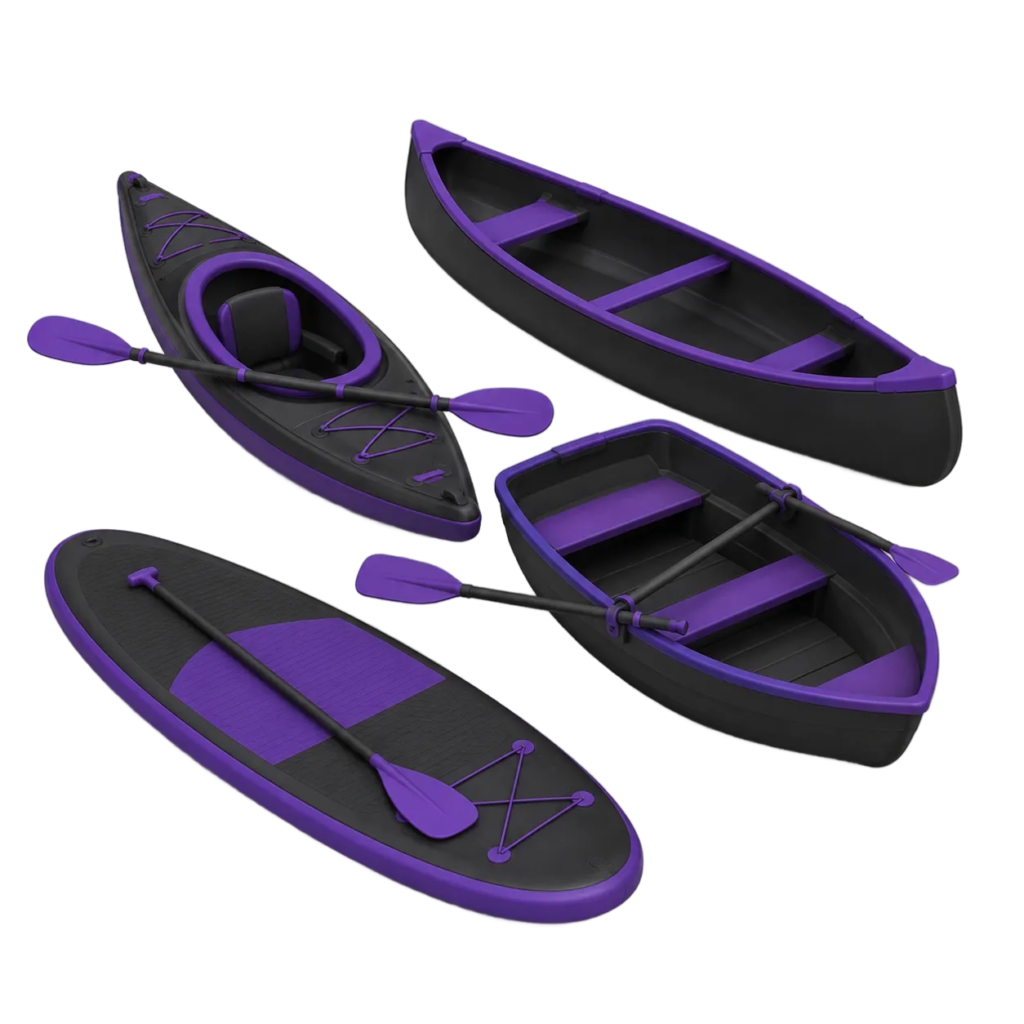
- Small watercraft including kayaks, canoes, rowboats, dinghies, and paddle boats
- Catamarans and similar multi-hull vessels
- Yachts and larger recreational boats (subject to additional review)
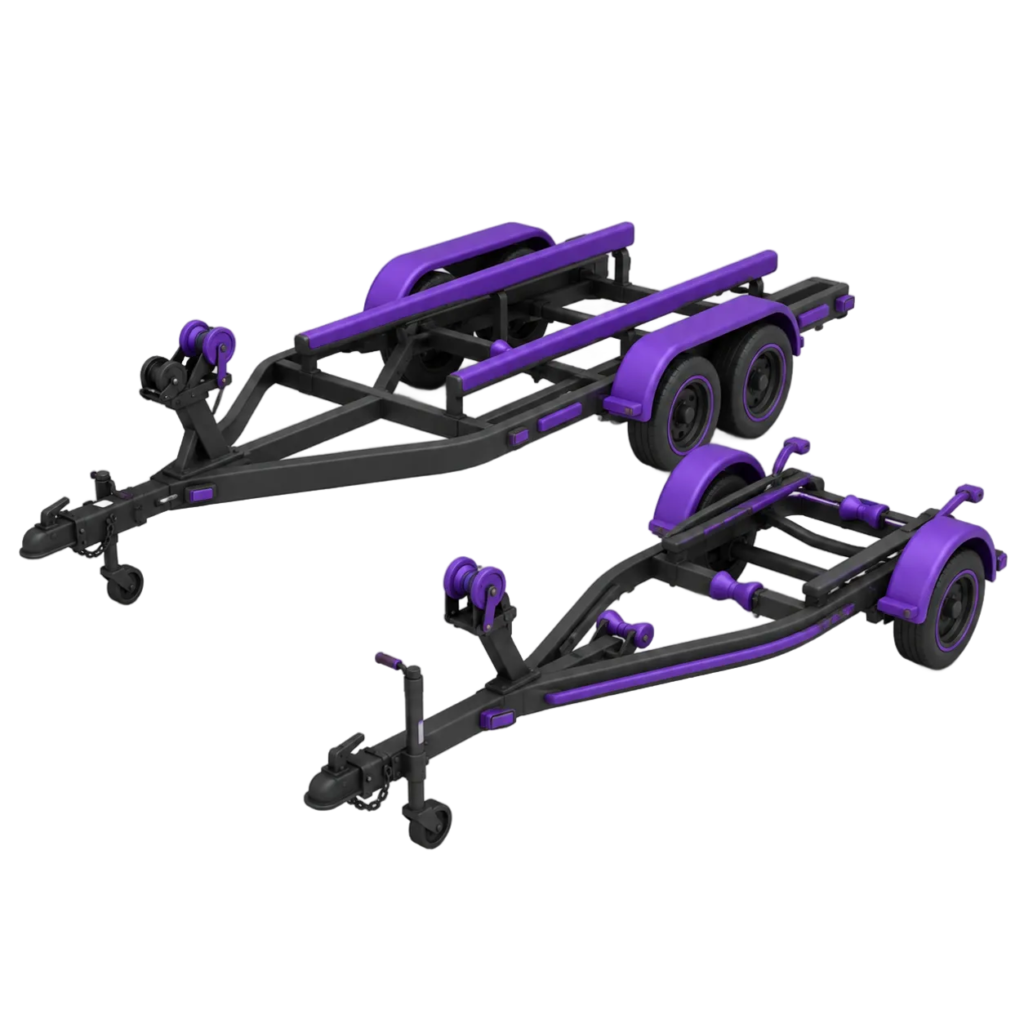
- Boat trailers
Common Conditions
- Junk boat sitting unused for years
- Storm or collision damage
- Hull deterioration or rot
- Non-running engine or missing mechanical components
- Boats occupying a slip, storage lot, or dock area after abandonment
- Vessels tied to an estate, property sale, or business clearout
Submerged boats, houseboats, vessels over 40 feet, and situations involving unclear ownership or restricted access require additional review before scheduling can proceed. If your situation falls into one of these categories, discuss the details with an EZ Hauling representative before submitting photos.
The Estimate and Removal-Planning Process
Every job starts with a photo-based estimate rather than a phone guess. Here is the boat removal process from first contact to completed removal.
- Submit your information. Send the service address, photos of the boat from multiple angles, photos of the access path, the boat type and approximate length, the current condition, trailer status, any site rules or gate codes, and your deadline if one applies.
- Review and scope. EZ Hauling reviews the submitted details to determine whether additional photos, an on-site assessment, or any authorization documentation may be needed before a removal plan is confirmed.
- Estimate and method selection. Once the review is complete, you receive a scope and estimate that reflects the specific removal method selected for your job—whole-boat hauling, towing, or complete on-site dismantling followed by ordinary debris hauling. The method is chosen based on the boat's dimensions, condition, access, and trailer situation, not a one-size workflow.
- Scheduling. After accepting the estimate and paying the booking deposit, the job is added to the schedule. Same-day or next-day availability may be possible when scheduling and job conditions allow, but it is not guaranteed.
- Removal day. A licensed and insured crew—either an EZ Hauling team or a verified licensed and insured partner—arrives to execute the approved removal plan. The remaining balance is collected after the work is complete.
Fuel, oil, batteries, and other potentially hazardous materials require separate assessment and coordination. Do not assume unconditional handling; raise these specifics during the estimate conversation.
Transparent Pricing and Deposit Structure
EZ Hauling publishes starting prices so customers in Boston know what to expect before requesting a quote. Final pricing depends on factors reviewed during the estimate process.
- Small non-powered watercraft (kayaks, canoes, rowboats, dinghies, paddle boats, paddleboards)
- Starting at $850 flat. Booking deposit: 25%.
- Powered personal watercraft and sailing dinghies
- Starting at $1,200 flat. Booking deposit: 25%.
- Motorboats and sailboats
- Minimum starting at $1,000. Booking deposit: 35%. The final estimate depends on length, motor type, access conditions, trailer condition, whether on-site dismantling is required, transport logistics, and disposal requirements.
These are starting prices only. The actual cost of your removal is job-specific. Factors that can raise the estimate include limited or restricted access (narrow driveways, gated facilities, low clearance), a compromised or seized trailer, significant dismantling labor, hazardous-material coordination, and transport distance to an appropriate facility. Submit your photos and details to get a precise quote for your situation.
The remaining balance is not collected until the job is complete. If you have a question about rate structure or what might affect your specific job, an EZ Hauling representative can walk you through the variables before you commit.
Access, Trailer Status, and Ownership or Authorization Review
Access conditions and trailer status directly affect both the removal method and the final estimate. Before scheduling, the crew needs to know whether the boat is reachable by a standard truck and trailer, whether the path involves low overhead clearance, tight turns, soft ground, or locked gates, and whether the boat's trailer is functional, flat-tired, rusted solid, or absent entirely.
Marina and boatyard managers requesting removal of a vessel from a slip or storage space should provide the facility's site rules, relevant contact information, and any coordination requirements along with their initial inquiry. The job review will determine whether authorization documentation is needed for that specific situation.
Estate representatives and businesses clearing a vessel as part of a property turnover or deadline-driven project should describe the ownership context when submitting photos. Documentation and authorization needs vary by job and are determined during the review—there is no universal checklist that applies to every removal. If the applicable requirements are unclear for your situation, you may need to speak directly with an EZ Hauling representative before proceeding.
Massachusetts Environmental Police publishes procedures related to boat registration and abandoned-vessel situations. The ownership path that applies to your vessel depends on its specific circumstances; EZ Hauling does not provide legal guidance, but can help you understand what information is typically needed during the job review.

Job-Specific Removal Methods
No single removal method applies to every boat. After reviewing your photos, boat details, access path, trailer condition, and removal setting, EZ Hauling selects the approach that fits the specific job.
Whole-Boat Hauling or Towing
When access allows and the vessel can be safely loaded or towed, the boat may be transported whole. Trailer condition, boat dimensions, and the port of origin all factor into whether this approach is practical. If the boat is on a functional trailer, tow-out may simplify the job; if the trailer is non-functional, the crew determines the best loading approach during the estimate review.
Complete On-Site Dismantling
When whole-boat transport is not practical—due to size, severe damage, access restrictions, or other site conditions—the crew may dismantle the vessel completely on site. The resulting ordinary debris is then hauled away. This approach eliminates the need to move an intact hull through a constrained space and may be the right method for a junk boat that has deteriorated significantly.
Off-Site Routing
When a job involves material that warrants off-site salvage, recycling, or specialty disposal, that routing is used only when it is appropriate for the specific job and when facility acceptance can be confirmed. Recycling or salvage is not promised as a standard outcome for every removal. Responsible disposal is the goal; the method and facility are confirmed during the estimate process.

Serving Boston and Suffolk County, MA
EZ Hauling Services accepts boat removal inquiries throughout Boston and across Suffolk County, Massachusetts. The city's dense urban layout, mix of residential neighborhoods, commercial properties, marina areas, and waterfront access points means that access conditions vary widely from one job to the next. That is why every estimate starts with photos and address details rather than a flat-rate assumption.
For jobs located in areas with narrow streets, restricted dock access, or storage facilities with specific entry rules, those details should be included in the initial submission. The crew selected for your job—EZ Hauling staff or a verified licensed and insured partner operating in the Boston area—will be briefed on the access situation before arrival.
Massachusetts has its own boat registration and vessel-ownership framework administered at the state level. The requirements that apply to a specific removal depend on the vessel and the situation. If you are unsure which procedure applies to your boat, raise the question during the estimate conversation. EZ Hauling is fully licensed and insured, and the company works with partners who meet the same standard.
Whether you are removing a single junk boat from a residential property or coordinating a commercial clearout across a storage facility, the process is the same: send the address, photos, and details, and EZ Hauling will scope the job and confirm a removal plan before scheduling begins. EZ Hauling proudly extends reliable boat removal services in Boston and the surrounding Suffolk County area.

Nearby Service Areas
Boat Removal Near Boston
Frequently Asked Questions
What information do I need to get a quote?
Send the service address, clear photos of the boat and the access path, the boat type and approximate length, current condition, trailer status, and any deadline or site rules. That information allows EZ Hauling to review the job and provide a meaningful estimate. If anything is unclear from photos alone, a representative may request additional images or an on-site assessment.
How soon can the boat be removed?
Same-day or next-day service may be available when the schedule and job conditions allow. Timing depends on crew availability, job complexity, access coordination, and whether any documentation or authorization review needs to be completed first. Schedule details are confirmed after the estimate is accepted.
Will I need to provide ownership or authorization documents?
Documentation needs vary by job. Some removals require verification of ownership or site authorization; others do not. Requirements are determined during the job review. If the applicable requirements for your situation are unclear, you may need to speak with an EZ Hauling representative before the job is scheduled. There is no universal document list that applies to every removal.
Can you remove a boat that does not run or is severely damaged?
Yes, non-running and damaged boats are among the most common submissions. The boat removal process is designed to handle a range of conditions, including significant structural damage. The condition of the vessel affects the removal method and the estimate, not whether the job can be reviewed. Submit photos so the crew can assess what approach is appropriate.
What happens to the boat trailer?
Trailer removal is part of the job review. A functional trailer may simplify transport; a rusted, flat-tired, or structurally compromised trailer changes the approach and may affect the estimate. Include the trailer's condition and whether it is registered in your initial submission so the estimate accounts for it accurately.
Does every boat get hauled away whole, or are other options possible?
The removal method depends on the individual job. A boat may be towed or transported whole when access and dimensions allow. When that is not practical, the crew may completely dismantle the vessel on site and haul away the resulting debris. Off-site salvage, recycling, or specialty disposal routing is used only when appropriate for that specific job and confirmed during the estimate process. No single method is mandatory for every removal.
Request Your Boston Boat Removal Estimate
Ready to clear that unwanted vessel from your property, dock, or storage space? Submit your address, photos, boat details, and access notes to get a job-specific quote with no obligation. EZ Hauling handles the heavy lifting—you handle nothing until the estimate makes sense for your situation.
Request a Boat Removal Estimate Online
Prefer to talk through the details first? Call (888) 401-7041 to speak with an EZ Hauling representative about your specific boat, access situation, and timeline. Marine vessel removal inquiries for Boston, MA and the broader Suffolk County area are welcome.