Professional Boat Removal Services in Cape Coral, FL
EZ Hauling Services removes old, damaged, non-running, and unwanted boats throughout Cape Coral and the surrounding Lee County area. Whether you're a boat owner, property manager, marina operator, estate representative, or business dealing with a vessel that needs to go, we review each job individually and provide a clear, written estimate before any work begins. To get started, send us your address, photos of the boat and access path, boat type and approximate length, trailer status, and any site rules or deadlines—then we'll confirm scope, method, and pricing specific to your situation. Call (888) 401-7041 or request a quote online.

Boat Types and Conditions We Review for Removal
Cape Coral's waterfront-heavy landscape means boats end up in a wide range of situations—sitting on trailers in driveways, stored in backyards, taking up dock space, or parked in commercial storage facilities. Our boat removal services include review of the following vessel types and conditions:
Vessel Types
- Motorboats — inboard, outboard, and stern-drive craft of varying lengths
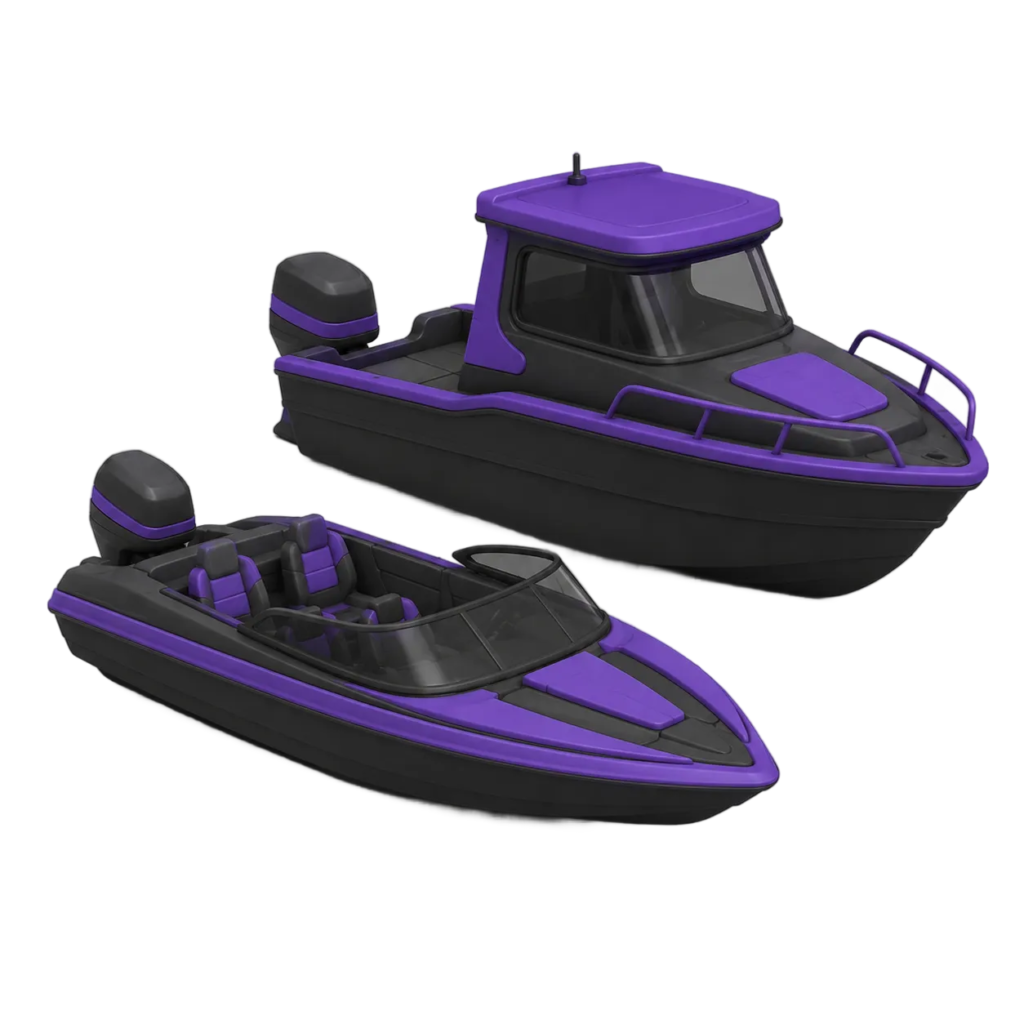
- Sailboats — including day sailors and small offshore models
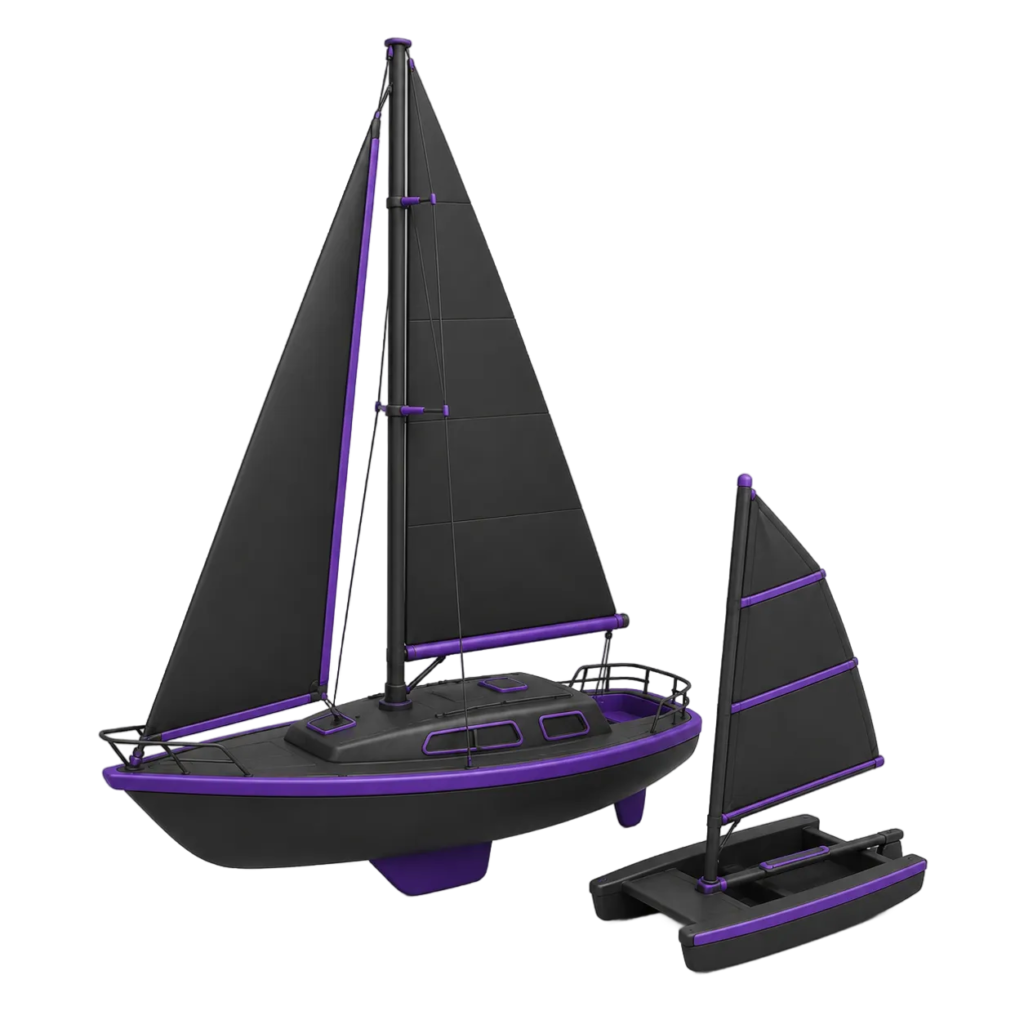
- Pontoons — flat-deck boats that often require specific access planning
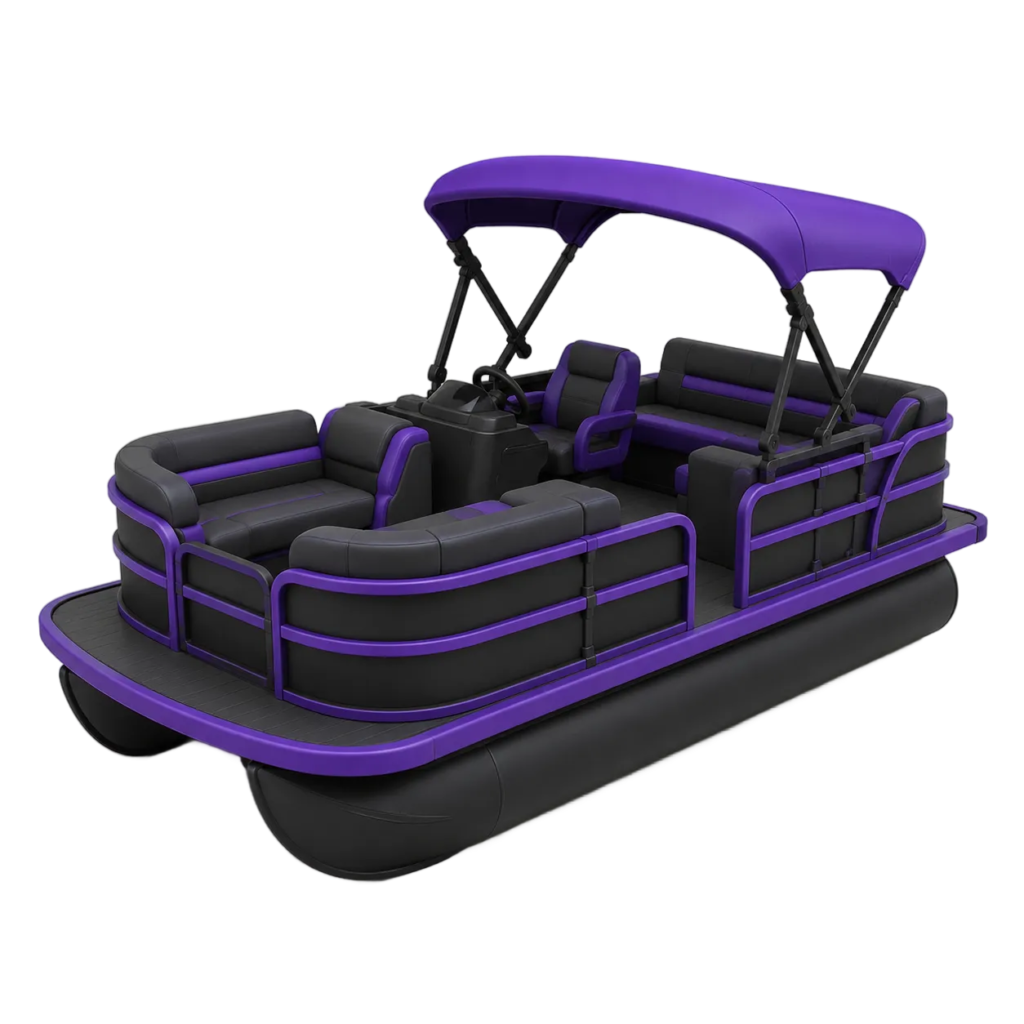
- Fishing boats — bay boats, skiffs, flats boats, and center consoles
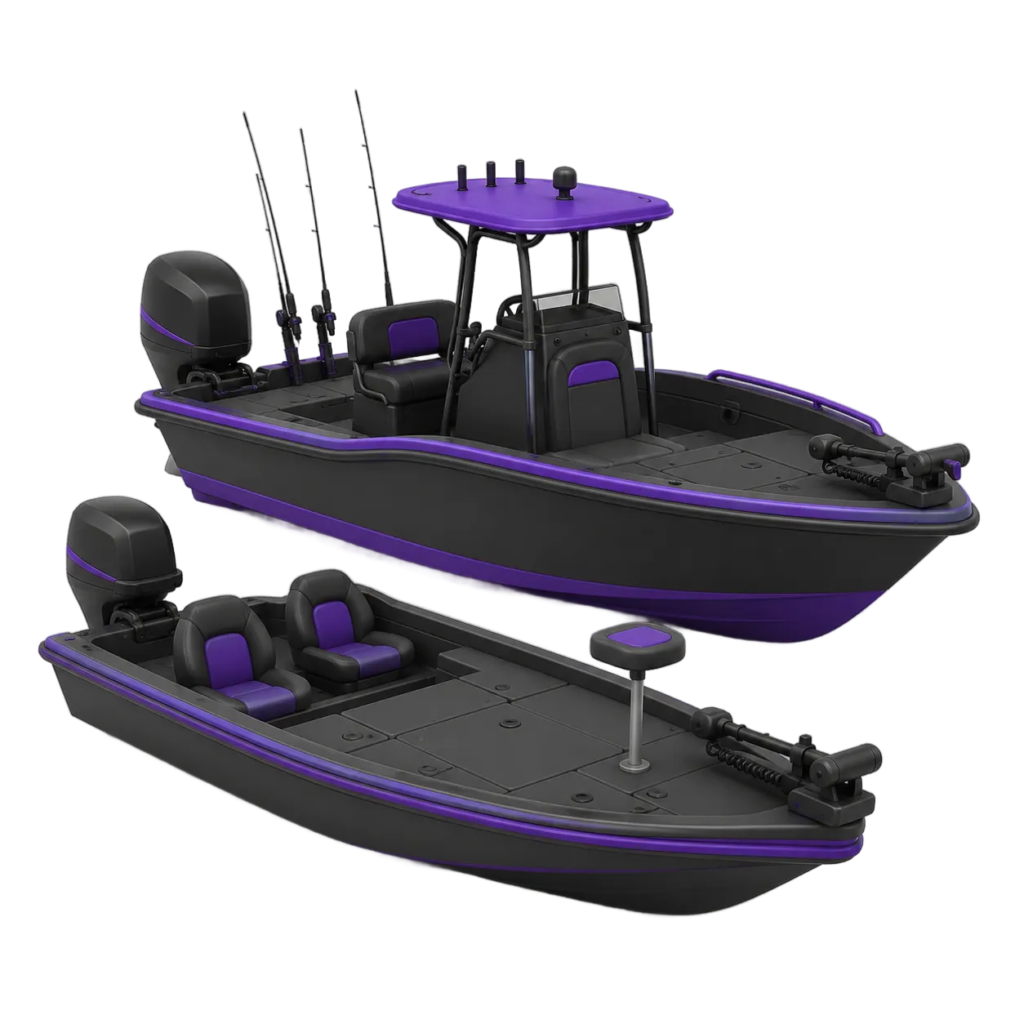
- Personal watercraft — Jet Skis, WaveRunners, and similar powered craft

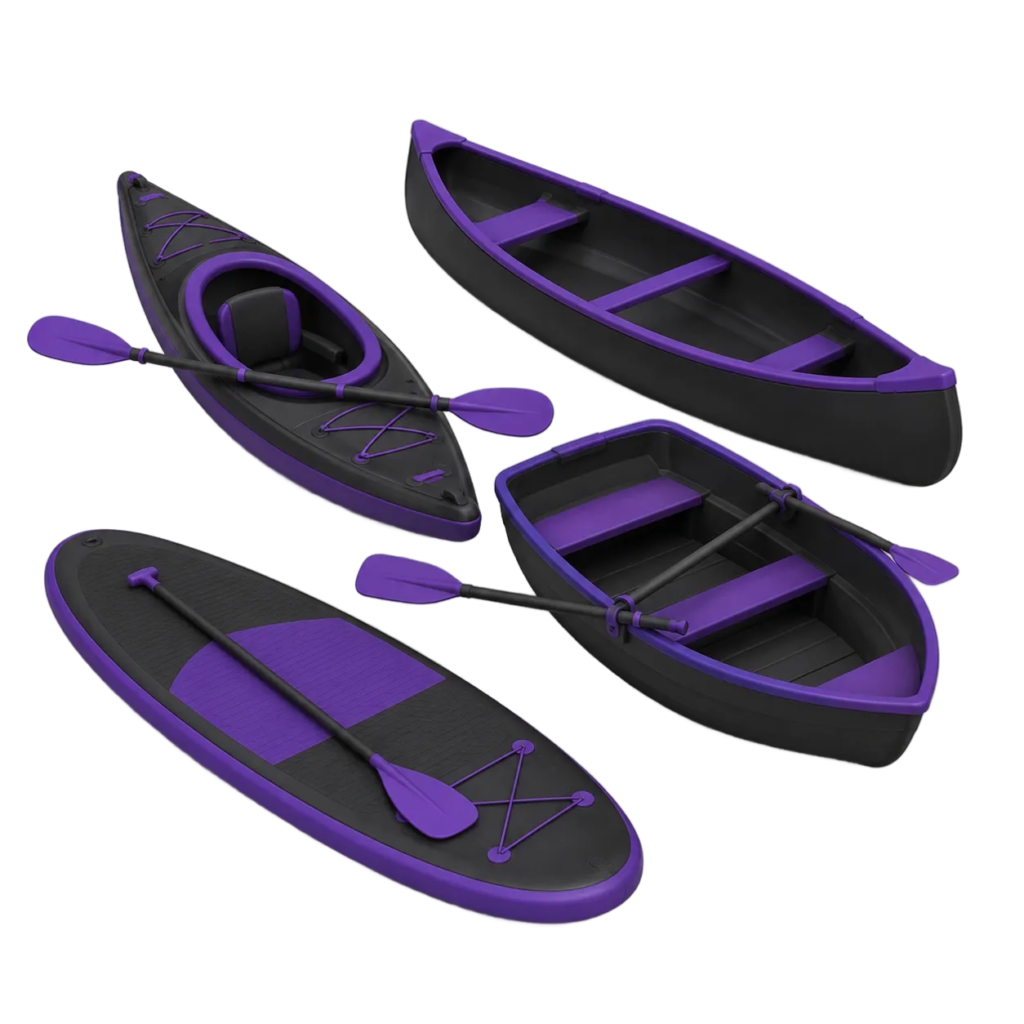
- Small watercraft — kayaks, canoes, rowboats, dinghies, paddle boats, and paddleboards
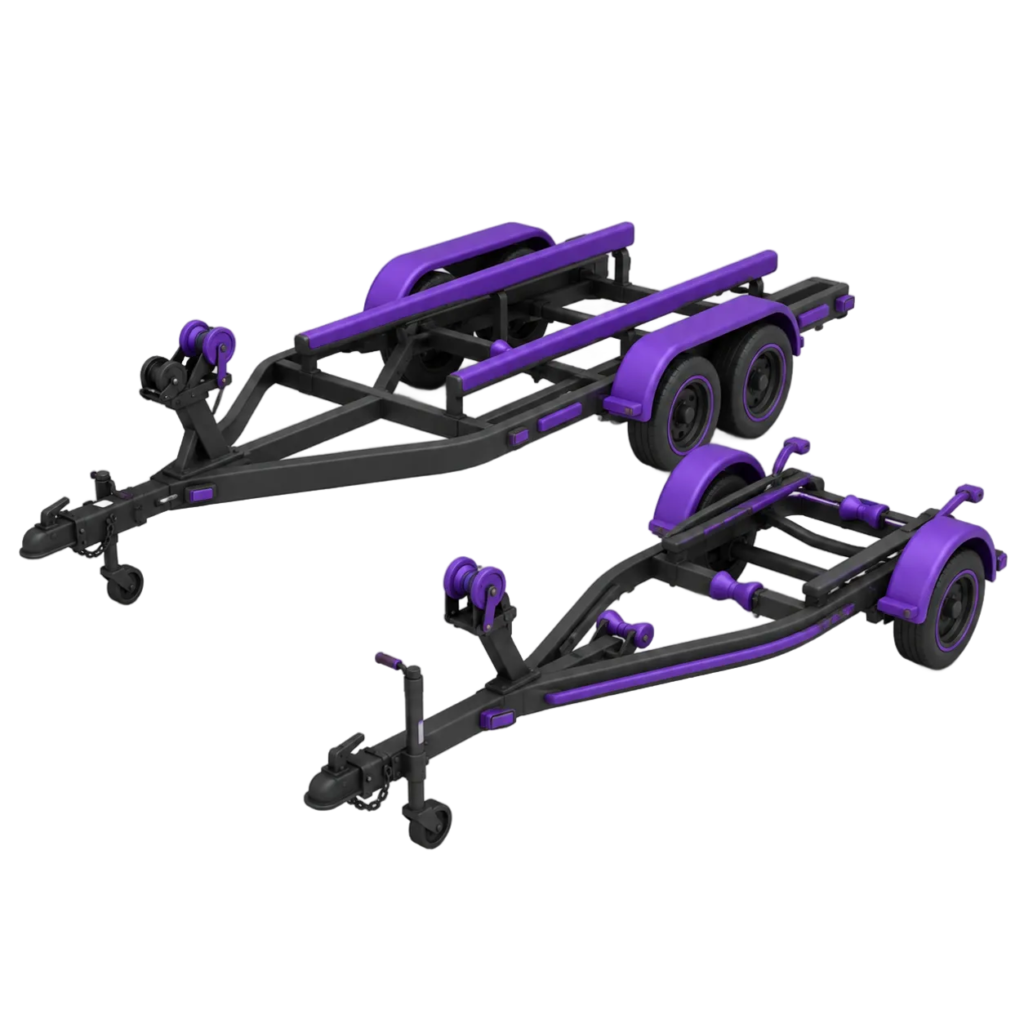
- Boat trailers — standalone or paired with the vessel
- Catamarans and yachts — subject to additional review based on length, access, and condition
Common Conditions That Trigger a Removal Request
- Non-running or mechanically dead boats that can no longer be moved under their own power
- Storm-damaged or flood-damaged hulls with structural deterioration
- Boats with rot, delamination, or fiberglass damage that make transport complicated
- Vessels sitting on a failed or non-roadworthy trailer
- Inherited or estate boats with unclear history
- Junk boats abandoned on a property, at a marina slip, or in a storage lot
- Craft blocking a driveway, dock, or commercial site
Submerged boats, houseboats, vessels over 40 feet, boats with uncertain ownership history, and situations involving restricted or unsafe access require additional review before we can schedule a job. If your situation involves any of these, describe it in detail when you request an estimate so we can tell you what's needed upfront.
How the Boat Removal Process Works
We don't quote boats sight-unseen with a generic rate. Every boat removal starts with a job-specific review that shapes the estimate, the removal plan, and the schedule. Here's how the process moves from your first contact to a cleared property:
- Submit your details. Send the service address, clear photos of the boat from multiple angles, photos of the access path, the boat type and approximate length, whether a trailer is present and its condition, any site rules (especially for marinas or commercial storage facilities), and your deadline if one applies.
- We review and respond. Once we have the information, we assess access, method options, trailer status, and any situation-specific factors. If we need additional photos or an on-site assessment before finalizing scope, we'll tell you. We confirm whether documentation or authorization review is needed at this stage—not after you've booked.
- You receive a written estimate. The estimate covers the removal method selected for your job, transport or disposal routing where applicable, and the total cost based on the inputs reviewed. No hidden charges are added after the fact.
- We schedule the work. Once you approve the estimate and pay the booking deposit, we schedule the job. Same-day or next-day service may be available when the schedule and job conditions allow; it isn't offered as a blanket guarantee.
- The crew completes the removal. The licensed and insured crew—either EZ Hauling or a verified licensed and insured partner—executes the approved plan. The remaining balance is collected only after the job is complete.
Transparent Pricing and Deposit Structure
Boat removal pricing is job-specific. The factors below directly affect what you'll pay, which is why we don't publish a universal rate chart. What we can tell you upfront are our published starting prices and deposit terms.
Starting Prices
- Small non-powered watercraft (kayaks, canoes, rowboats, dinghies, paddle boats, paddleboards)
- Starting at $850 flat
- Powered personal watercraft and sailing dinghies
- Starting at $1,200 flat
- Motorboats and sailboats
- $1,000 minimum; final estimate depends on length, motor type, access, trailer condition, whether dismantling is required on site, transport, and disposal needs
Deposit Terms
- Motorboats and small watercraft: 25% booking deposit, balance due at job completion
- Sailboats: 35% booking deposit, balance due at job completion
Factors That Can Change Your Estimate
- Overall boat length and hull type
- Motor type and number of engines
- Trailer condition — a roadworthy trailer simplifies transport; a failed trailer adds complexity
- Access restrictions: narrow gates, soft ground, low clearance, dock location, or distance from a road
- Whether the boat must be dismantled on site before the material can be hauled away
- Off-site routing requirements for specific materials when applicable to the job
- Fuel, oil, batteries, or other materials that require separate assessment and coordination
Send your photos and details to request a job-specific quote. A rate you find affordable now is one grounded in what your actual job requires—not a number we guessed before seeing the boat.
Access, Trailers, and Ownership or Authorization Review
Two things create more scheduling delays and cost surprises than anything else: difficult access and questions about who has the right to authorize the removal. We address both before the crew arrives.
Access Planning
Cape Coral properties vary widely—from wide-open driveways to gated waterfront lots, narrow backyard corridors, marina slips with specific vehicle access rules, and commercial storage facilities with their own operating hours and site policies. When you submit your photos and access notes, we use that information to select the right removal method and crew configuration. If the access path is tight or unclear, we may request additional photos or schedule a brief site visit before finalizing the plan.
Trailers
A boat sitting on a trailer is not automatically a simpler job. The trailer's condition—whether it's roadworthy, has working lights and tires, or has corroded to the point of being immovable—affects both the method and the cost. Describe the trailer's condition when you request your quote so we can build that into the scope.
Ownership and Authorization
Documentation needs vary by job. Florida maintains vessel title and registration procedures through the FLHSMV, and situations involving junked, inherited, abandoned, or estate boats may require case-specific review. We don't publish a universal document checklist because what's needed depends on the individual job. If you're handling an estate, managing a marina slip where the boat owner is unreachable, or dealing with any situation where authorization is unclear, describe it when you submit your request. If the applicable requirements aren't clear from the initial review, an EZ Hauling representative will walk through it with you before anything is scheduled.

Removal Methods: What Actually Happens to Your Boat
There is no single boat removal procedure that fits every job. The method we use is selected after reviewing your photos, the boat's condition, access to the site, trailer status, and the specific removal setting. Here's what that may look like in practice:
- Whole-boat hauling: If the boat is structurally intact and on a usable trailer, or if it can be loaded onto a transport vehicle, we haul it away as a unit. This is often the most direct approach when access and condition allow.
- Towing: Some boats can be towed from a site when the trailer is roadworthy and the situation permits. The crew confirms this is viable before committing to it as the plan.
- Complete on-site dismantling followed by ordinary debris hauling: When a boat is too deteriorated, too heavy, or in a location where whole-boat removal isn't practical, the crew may dismantle it on site and haul away the remaining material as ordinary debris. This is sometimes the most practical path for a badly damaged hull in a tight space.
- Off-site salvage, recycling, or disposal routing: When specific materials from your boat are appropriate candidates for salvage or recycling—or when a particular disposal route is required for the job—we incorporate that into the plan. This is a conditional option based on what the job produces, not a promise applied to every removal. Any facility acceptance must be confirmed as part of the job review.
Fuel, oil, batteries, and other hazardous materials require separate assessment and coordination. Don't assume these are handled automatically—disclose them when you request your estimate so they're addressed in the scope.

Serving Cape Coral and All of Lee County
EZ Hauling Services operates throughout Cape Coral and all of Lee County, FL. Cape Coral is one of the most boat-dense cities in the state—thousands of residential canals, abundant waterfront properties, and a large community of boat owners mean that vessel removal situations come in nearly every form imaginable. We work with individual boat owners, property managers, marina and boatyard operators, estate representatives, and commercial businesses across the city. Whether your boat is sitting in a backyard, blocking a dock, stored at a commercial facility, or parked at a downtown location, the job review process is the same: send the details, get a scope and a quote, schedule when it works for your situation.
We are not a local depot or a waterway service—we are a licensed and insured removal operation serving Cape Coral and the surrounding region. Jobs may be fulfilled by EZ Hauling crews or by verified licensed and insured partner crews. If you're located in another part of Lee County or a surrounding area, confirm serviceability when you request your estimate.

Nearby Service Areas
Boat Removal Near Cape Coral
Frequently Asked Questions
What information do I need to get a quote?
Send the service address, clear photos of the boat and the access path, the boat type and approximate length, the trailer status and its condition, the boat's current condition (running, non-running, damaged), any site rules that affect access, and your deadline if there is one. The more complete your submission, the faster we can return an accurate estimate. Customers in Cape Coral with unusual access situations—narrow lots, gated communities, marina slip restrictions—should describe those specifics upfront.
How quickly can you schedule a removal?
Same-day service or next-day service may be possible when the schedule and job conditions allow. Availability depends on current demand, crew routing, and what the specific job requires. We don't guarantee a same-day window, but it's worth asking when you call or submit your request if speed matters.
Do I need ownership documents before you'll remove the boat?
Documentation needs vary by job and are determined during the review—not from a universal checklist we apply to every removal. Florida's vessel title and registration procedures, including those covering junked or abandoned vessels, involve case-by-case requirements. If your situation involves an estate, an inherited boat, or a vessel with an unclear ownership history, describe it in your request. If the requirements aren't clear from the initial review, an EZ Hauling representative will discuss it with you before anything is scheduled.
Can you remove a boat that doesn't run or is heavily damaged?
Yes. Non-running, flood-damaged, storm-damaged, and structurally deteriorated boats are among the most common removal requests we receive. The condition of the boat directly affects which removal method we select—a boat that can't be moved under its own power and can't be safely loaded whole may be a candidate for complete on-site dismantling followed by hauling away the ordinary debris. Describing the damage accurately in your photo submission helps us plan the right approach.
What happens to the boat trailer?
Trailer removal can be included in the job scope. The trailer's condition—whether it's roadworthy, has corroded components, or is otherwise unusable—is a factor in how we plan and price the removal. Include photos of the trailer and describe its condition when you submit your request so we can build that into the estimate rather than discover it on the day of removal.
Can you dismantle the boat on my property instead of hauling it out whole?
Yes, in situations where whole-boat hauling isn't practical—due to access restrictions, hull condition, or site limitations—complete on-site dismantling may be the approved method. After dismantling, the remaining material is hauled away as ordinary debris. Whether this is the right approach for your job is determined during the review, not assumed in advance. Off-site salvage, recycling, or disposal routing is incorporated only when it's appropriate for the specific materials involved.
Ready to Remove Your Boat? Request an Estimate Today
If you have a junk boat, a damaged vessel, or any unwanted watercraft taking up space on your Cape Coral property, the practical next step is to get a job-specific estimate. EZ Hauling Services is fully licensed and insured, and every job gets a scope and a quote before any crew shows up. There's no heavy lifting on your end—send the photos and details, and we handle the rest.
Request your boat removal estimate online or call us directly at (888) 401-7041. For marine vessel removal across Cape Coral and the surrounding region, EZ Hauling Services is ready to review your job and get back to you with a transparent, written quote.