Professional Boat Removal Services in Corona, CA
EZ Hauling Services provides boat removal throughout Corona and all of Riverside County for boat owners, property managers, marina and storage-facility managers, estate representatives, and businesses that need a clear plan and a job-specific quote. Whether the vessel is sitting on a trailer in your driveway, stored in a backyard, or taking up space at a dock, the process starts the same way: send your address, photos, boat type and approximate length, trailer status, and any access notes to request an estimate or call us directly at (888) 401-7041.

Boat Conditions and Types We Review for Removal
Our boat removal services include a wide range of vessels and conditions. No single condition automatically disqualifies a job, though some situations require extra review before we can schedule a crew.
- Motorboats — inboard, outboard, or sterndrive, running or not
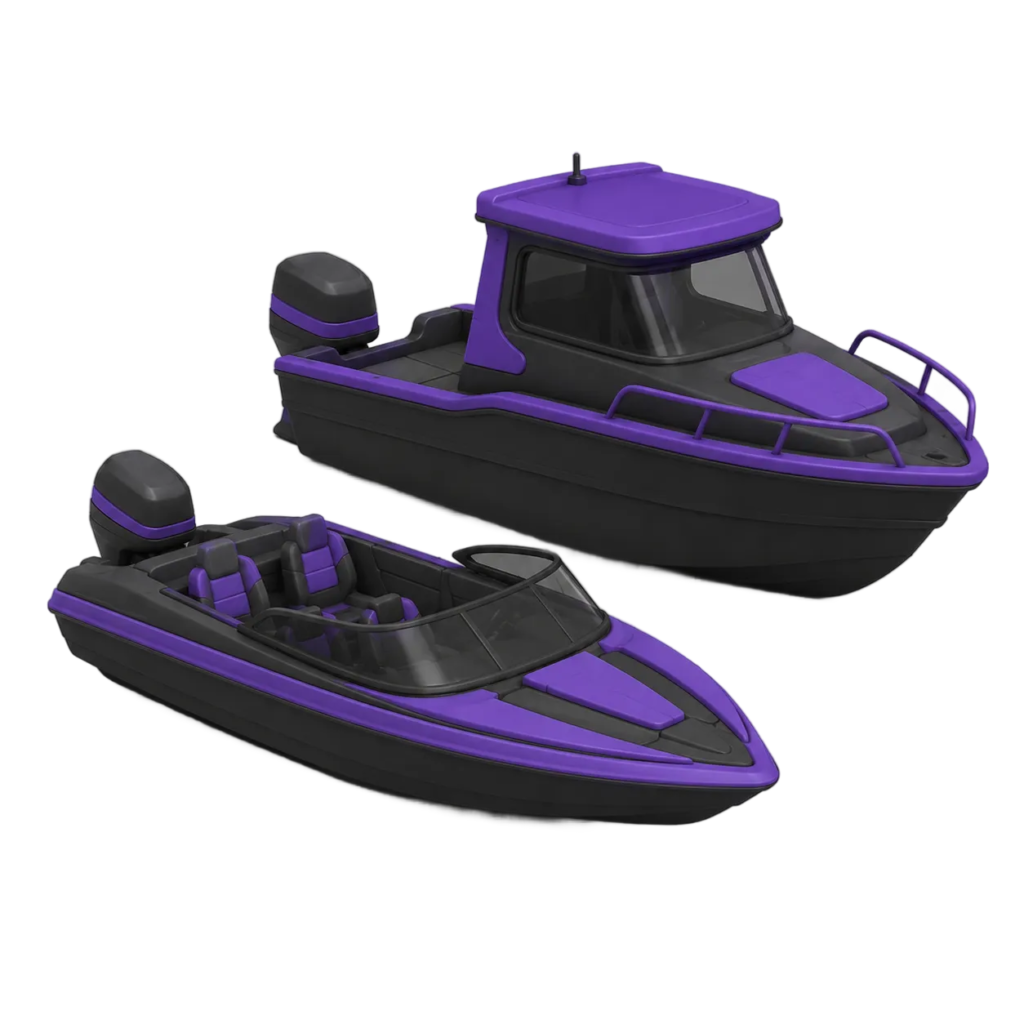
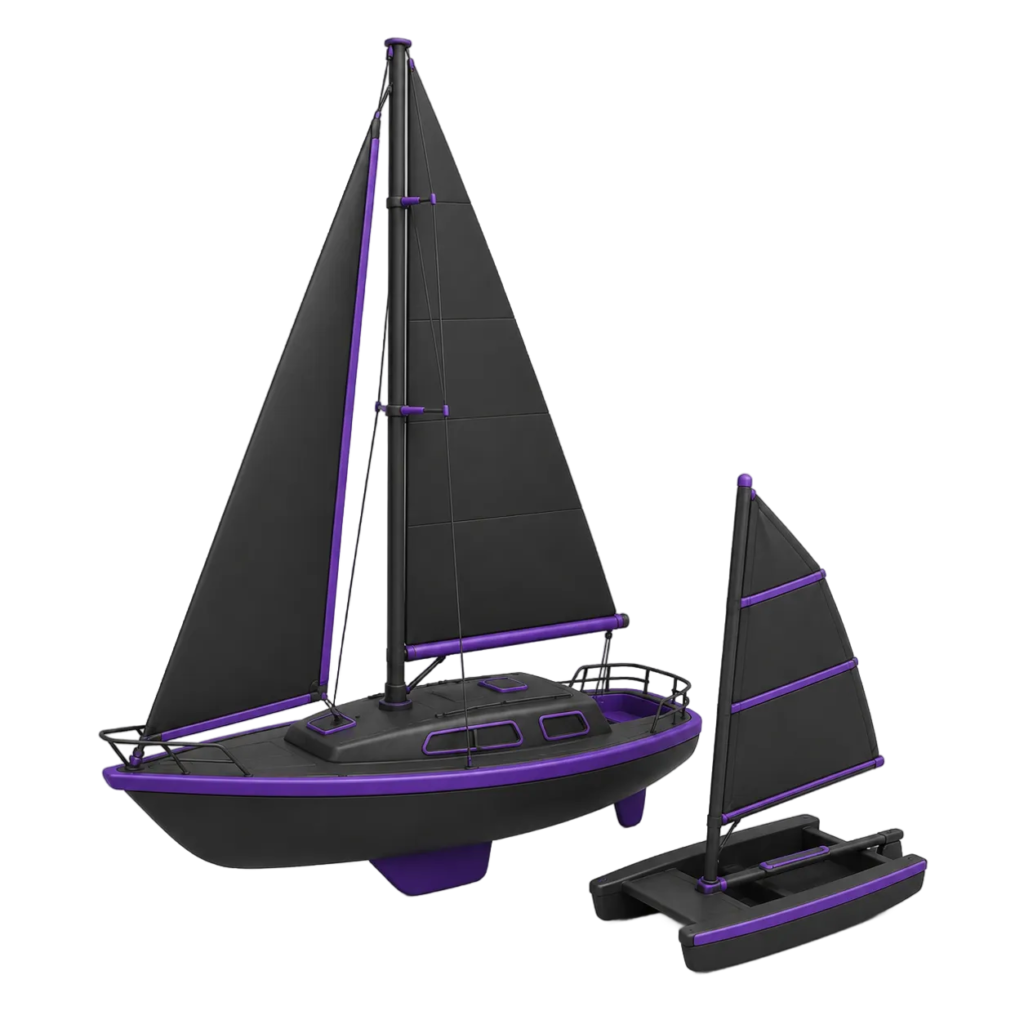
- Sailboats — including small sailing dinghies through larger keeled hulls
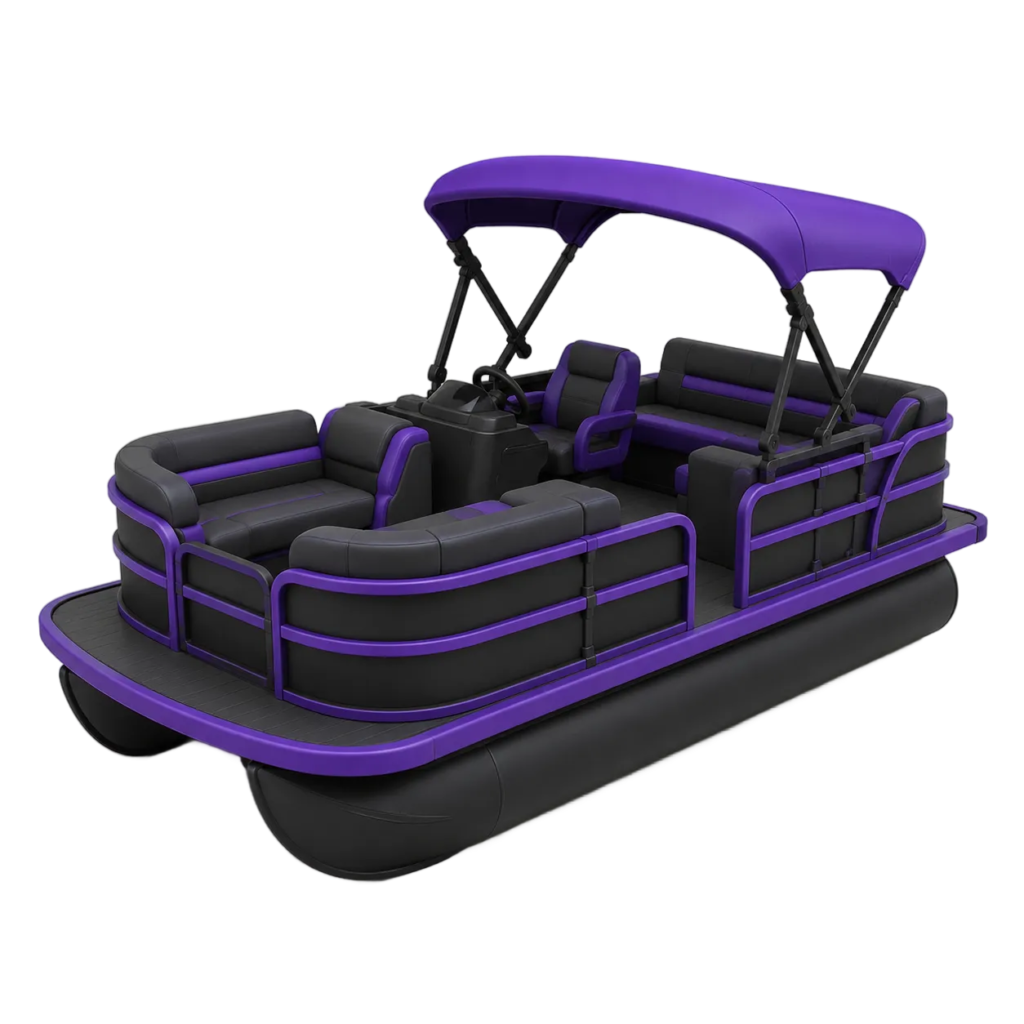
- Pontoon boats — on trailers, on lifts, or grounded on a property
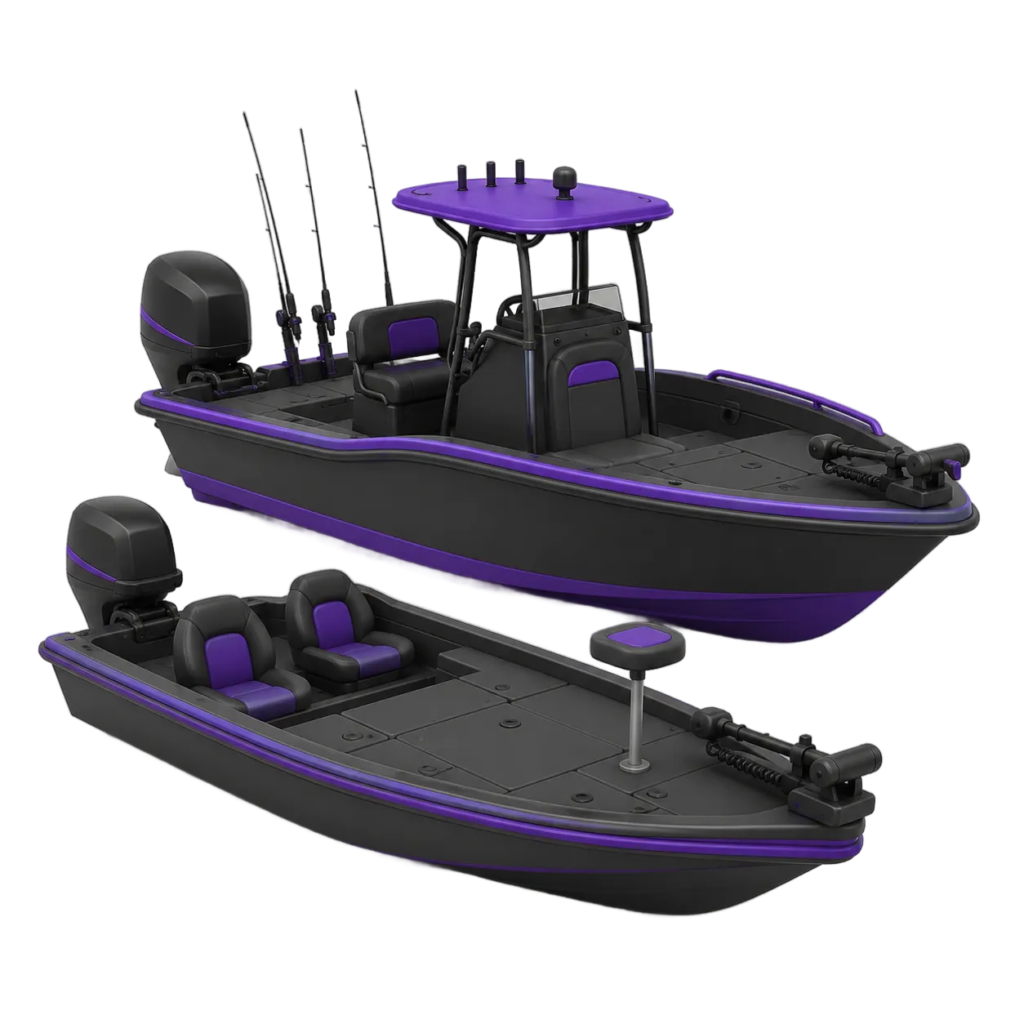
- Fishing boats — aluminum, fiberglass, or wood, any condition
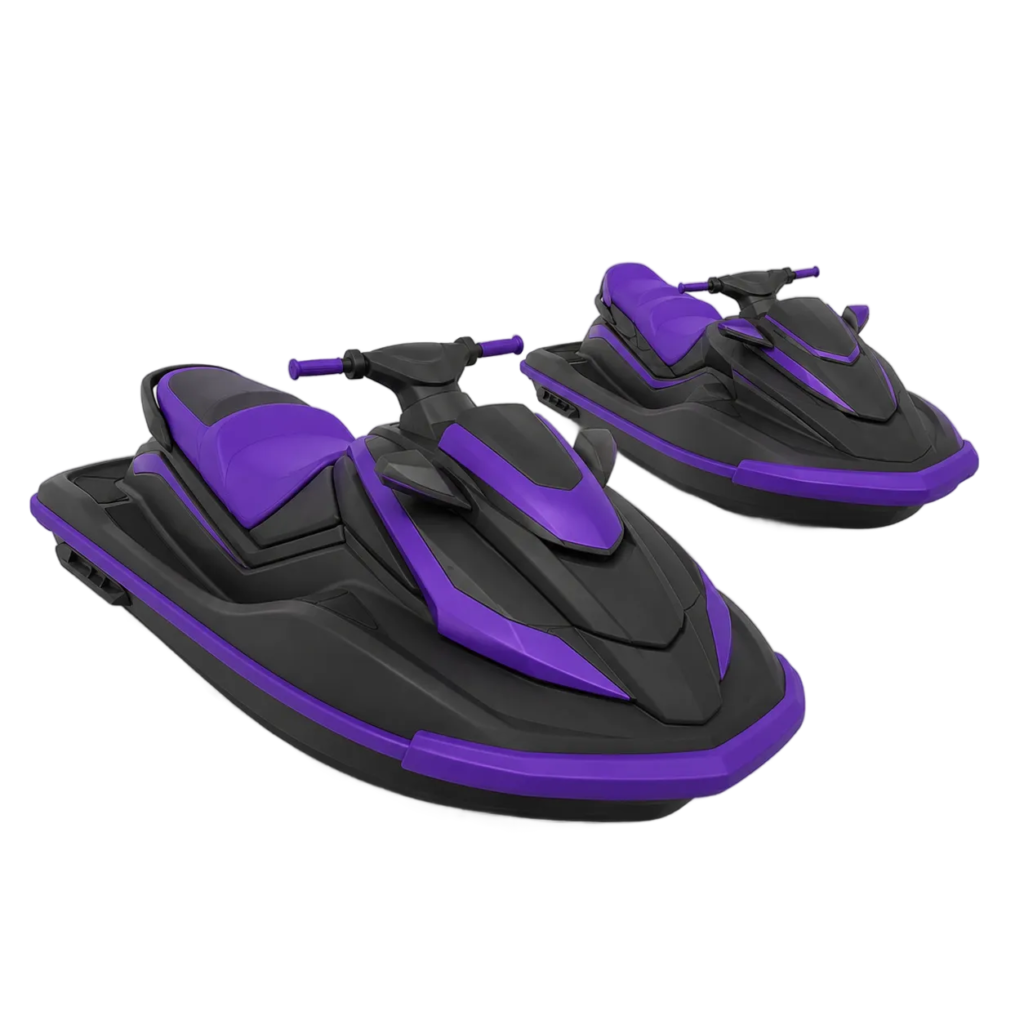
- Personal watercraft — jet skis and similar powered units
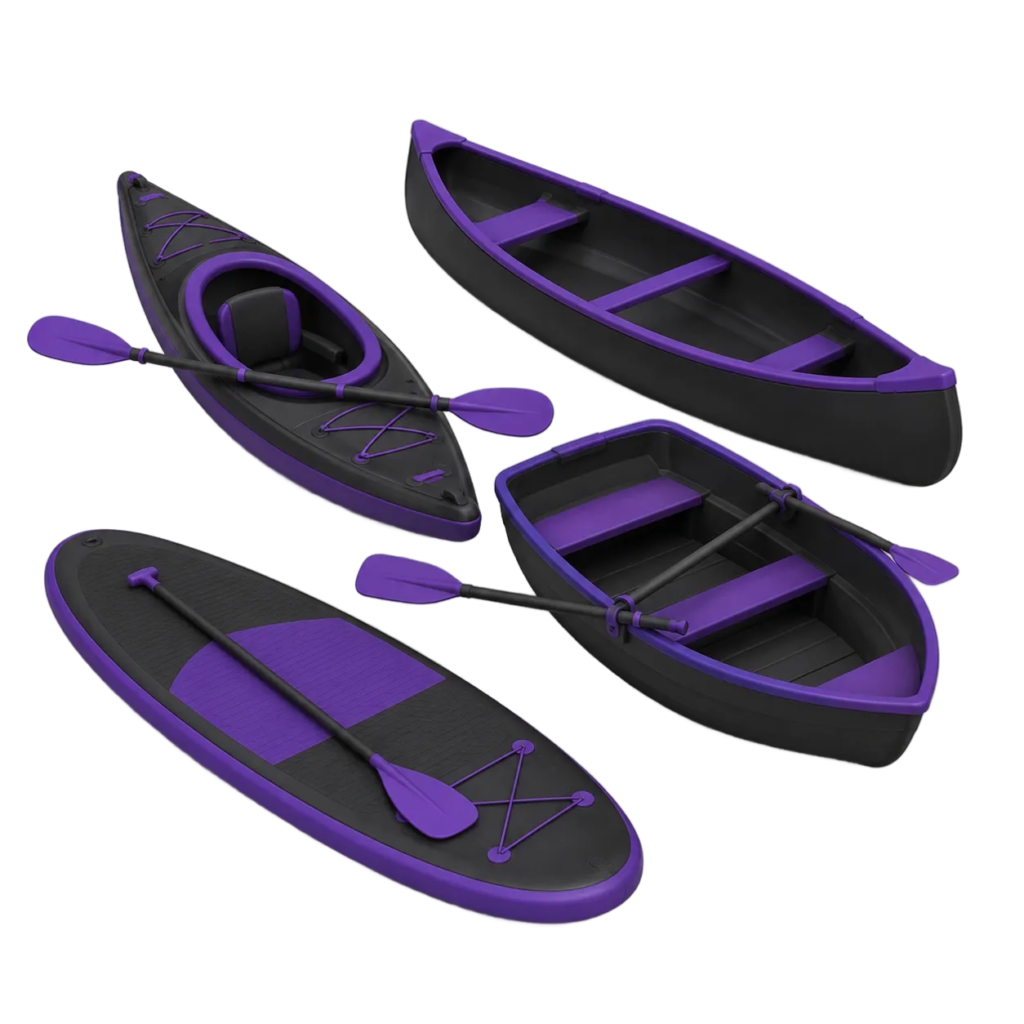
- Small watercraft — kayaks, canoes, rowboats, paddle boats, dinghies, and paddleboards
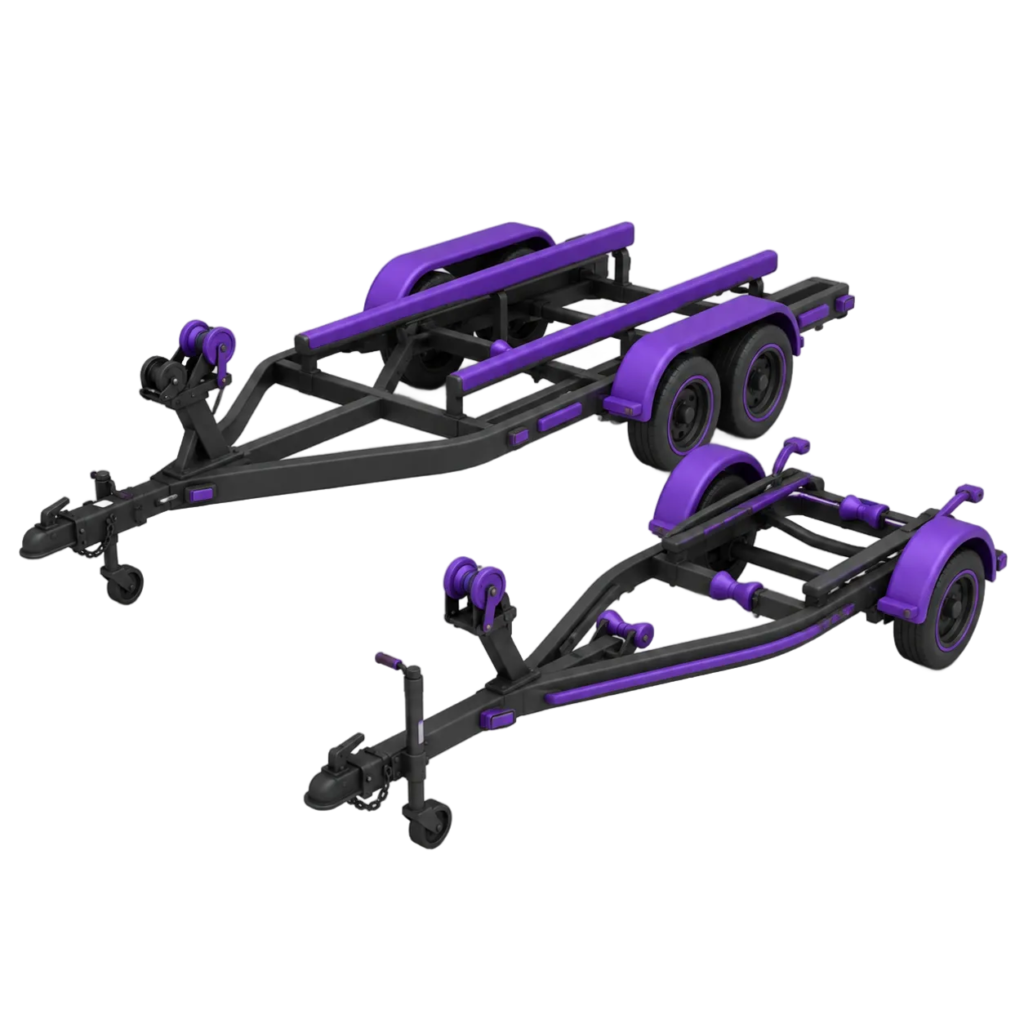
- Boat trailers — removed alongside the vessel or as a standalone item
- Catamarans and other multi-hull vessels — reviewed individually based on size and access
- Yacht and larger vessels — subject to additional review; boats over 40 feet require separate assessment
Damaged, non-running, weathered, partially disassembled, and junk boat situations are all accepted for review. If the vessel has fuel, oil, batteries, or other materials that may require separate handling, note that in your submission so the estimate can account for it. Submerged boats, abandoned boats without clear ownership, and vessels with unsafe access also require additional review before scheduling.
The Photo-Based Estimate and Removal-Planning Process
EZ Hauling uses a photo-based estimate procedure so both sides understand the scope before any work begins. Here is how the process works from first contact to a scheduled removal.
- Submit your details. Provide the service address, clear photos of the boat from multiple angles and of the full access path, the boat type and approximate length, condition notes, trailer status, and any deadline or site rules from a marina, storage facility, or property manager.
- Job review. Our team reviews the information to determine the right removal method, whether an on-site assessment is needed, and whether any documentation or authorization questions must be resolved before scheduling. If your situation is unclear, an EZ Hauling representative will reach out directly.
- Estimate and scope confirmation. We provide a written scope and starting price before collecting a deposit or scheduling a crew. The estimate accounts for boat length, access conditions, motor type, trailer condition, and the anticipated removal method.
- Scheduling. Once the scope is agreed and the deposit is received, we schedule the job. Same-day or next-day service may be available when scheduling and job conditions allow, though it is not guaranteed for every job.
- Removal day. The crew arrives, executes the approved removal plan, and hauls away the vessel or remaining material. The balance is collected only after the job is complete.
This transparent process keeps the estimate accurate and prevents surprises on the day of removal. Customers in Corona who have complex access situations or tight deadlines are encouraged to call (888) 401-7041 so a representative can walk through the specifics.
Pricing, Starting Rates, and Deposit Terms
Pricing is job-specific. The figures below are published starting points; your actual quote depends on boat length, condition, motor type, trailer status, access, the selected removal method, and any job-specific disposal requirements confirmed during review.
- Small non-powered watercraft (kayaks, canoes, rowboats, dinghies, paddle boats, paddleboards)
- Starting at $850 flat. Deposit: 25% at booking; remaining balance due after job completion.
- Powered personal watercraft and sailing dinghies
- Starting at $1,200 flat. Deposit: 25% at booking; remaining balance due after job completion.
- Motorboats and sailboats
- Minimum starting price of $1,000. The final estimate depends on length, motor type, access conditions, trailer condition, whether on-site dismantling is needed, transport requirements, and disposal routing. Deposit: 35% for sailboats, 25% for motorboats, at booking; remaining balance due after completion.
Factors that commonly change the estimate include limited driveway or dock access, a damaged or heavily corroded trailer, the need to dismantle the vessel on site before hauling, and any hazardous-material assessment for fuel, oil, or batteries. An affordable rate is possible only when all of those variables are known, which is why the photo submission step matters. Do not rely on a published rate as your final cost.
To get an accurate quote for your specific boat and situation, submit your details online or call (888) 401-7041.
Access, Trailer Condition, and Documentation Review
Before a crew can be dispatched, three practical questions need clear answers: Can the removal equipment reach the boat? What is the trailer situation? And does any ownership or authorization documentation need to be gathered first?
Access
Tight driveways, low clearance, soft ground, gated marina entrances, and boats stored at the back of a property or at a dock all affect which removal approach is practical. Include photos of the full access path when you submit your request. If the access is genuinely restricted, the job review will identify what additional steps or equipment assessments are needed before scheduling.
Trailer Condition
A functional trailer with good tires and working lights simplifies transport. A damaged, rusted, or tire-flat trailer may change the plan — the trailer condition is one of the factors that determines whether whole-boat transport is feasible or whether a different approach makes more sense. Note the trailer status in your submission and include photos if condition is in question.
Documentation and Authorization
California DMV handles boat and vessel registration and ownership documentation, while boat trailers are registered separately under California DMV as well. Beyond that general fact, the specific documentation or authorization needed for your removal depends on the individual job — the vessel's ownership status, whether it is on private property, commercial property, or a marina slip, and the circumstances of the removal. There is no universal document checklist that applies to every situation. If your ownership situation or facility authorization requirements are unclear, speak with an EZ Hauling representative before assuming what is required. Abandoned boats, estate situations, and commercial-facility removals are among the circumstances that most commonly require a conversation up front.

Job-Specific Removal Methods and Responsible Disposal
Not every boat removal follows the same procedure. The approved method is selected after reviewing your photos, boat details, access path, trailer condition, and the removal setting — not before. Three general approaches are used depending on what the job calls for.
Whole-Boat Hauling or Towing
When the vessel is intact, the trailer is functional or the boat can be loaded, and site access allows a transport vehicle to reach and exit with the load, the boat may be hauled away whole or towed to an appropriate facility. This is straightforward when access and condition support it.
On-Site Dismantling Followed by Debris Hauling
Some boats cannot be moved whole — because of size, structural damage, access limitations, or the condition of the hull. In those situations, the crew may completely dismantle the vessel on site and then haul away the resulting ordinary debris. This is a legitimate and practical removal method, not a last resort. For a junk boat that has been sitting for years, on-site dismantle and haul may be the most direct path to a clear property.
Off-Site Salvage, Recycling, or Disposal Routing
When material recovery, recycling, or specialized disposal is appropriate for a given job, off-site routing to the relevant facility is part of the plan. This applies when the boat's materials, condition, and the availability of appropriate facilities make it the right choice. Responsible disposal and proper handling of materials are part of how the job is planned, but specific facility acceptance, recycling outcomes, or eco-friendly end-of-life results are confirmed during the estimate process — not promised in advance. Any facility acceptance must be confirmed at the time of the job.
Fuel, oil, batteries, and similar materials require separate assessment. Note those items when you submit photos and boat details so the estimate can address them directly.

Serving Corona and All of Riverside County
EZ Hauling Services is fully licensed and insured and serves Corona and all of Riverside County as part of its confirmed California service area. Jobs may be fulfilled by EZ Hauling crews or by verified licensed and insured partner crews, depending on location and scheduling. Throughout Corona, requests come from residential property owners, commercial property managers, storage facilities, and estate representatives clearing a vessel as part of a larger property turnover.
Across Riverside County, the mix of inland properties, storage lots, and boat-access situations means that access and removal-method questions vary from job to job. That is precisely why the estimate process starts with photos and site details rather than a fixed price. Whether you are removing a vessel from a backyard or coordinating removal from a marina or dock setting in or nearby the city, the same review process applies: submit the information, get a job-specific scope, and schedule when everything is confirmed.
For community members throughout Corona who are unsure whether their boat or situation qualifies, the answer is to submit the details and let the review determine it. Most situations can be assessed quickly when clear photos and honest condition notes are provided.

Frequently Asked Questions
What information do I need to provide to get an estimate?
Send the service address, clear photos of the boat and the full access path, the boat type and approximate length, condition, trailer status, and any site rules or deadline. That information allows the team to scope the job and give you a written estimate before you commit to anything.
How quickly can a crew be scheduled?
Same-day or next-day service may be available when scheduling and job conditions allow. It is not guaranteed for every removal. Complex access situations, documentation questions, or boats that require additional assessment before scheduling will affect timing. The estimate process will surface any factors that could extend the lead time.
Does my boat need to be running or intact to qualify for removal?
No. Damaged, non-running, and junk boat situations are reviewed and regularly removed. Structural damage and poor condition may affect which removal method is used — whole hauling, towing, or on-site dismantling followed by debris hauling — but they do not automatically disqualify a job. Describe the condition honestly in your submission and include photos.
Does the trailer get removed too?
A trailer can be included in the scope. Trailer condition affects the estimate because a damaged or non-functional trailer may change how the vessel is transported or whether additional equipment or steps are needed. Include photos of the trailer and note its condition when you request a quote.
Will I need to provide ownership documents or authorization paperwork?
It depends on the specific job. Documentation and authorization needs vary based on vessel ownership status, the removal setting, and the circumstances involved. California DMV manages boat registration and ownership records separately from trailer registration, but the exact requirements for your removal situation cannot be determined from a general checklist. If your situation involves an estate, an abandoned vessel, or a commercial facility with its own authorization requirements, speak with an EZ Hauling representative early in the process so nothing delays scheduling.
What happens to the boat after it is removed?
The appropriate post-removal route — transport to a facility, off-site salvage, recycling, or disposal — is determined during the job review based on the vessel's condition, materials, and what facilities can accept. Responsible disposal and proper material handling are part of how the job is planned. Specific recycling or salvage outcomes cannot be guaranteed in advance; facility acceptance is confirmed at the time of the job.
Request Your Boat Removal Quote in Corona, CA
If you have an old, damaged, or unwanted vessel that needs to go, the first step is a photo-based estimate — not a generic rate sheet. EZ Hauling Services is licensed, insured, and ready to review your boat removal job in Corona and throughout Riverside County.
To get started: submit your address, photos of the boat and access path, boat type and approximate length, condition, trailer status, and any deadline or site rules.
- Request a boat removal estimate online
- Or call us at (888) 401-7041 to speak with a representative directly.
The balance is not collected until the job is complete. If you are unsure whether your situation — a marine vessel removal, a junk boat removal near a waterway, or a complex commercial property clearance — qualifies, submit the details and let the review determine the path forward.