Professional Boat Removal Services in El Paso, TX
EZ Hauling Services provides boat removal for old, damaged, non-running, and unwanted vessels throughout El Paso and all of El Paso County, TX. Whether you're a boat owner, property manager, marina or storage manager, estate representative, or business with an unwanted vessel taking up space, the process starts with a photo-based estimate — send your address, clear photos, boat type and approximate length, condition, trailer status, and any site access notes to request a quote or call (888) 401-7041.

Boat Conditions and Types We Review for Removal
EZ Hauling reviews boats across a wide range of conditions and types. No single condition automatically disqualifies a vessel, but some situations — such as submerged boats, vessels without clear ownership documentation, or unusually difficult access — require additional review before scheduling can begin.
Boat Types Accepted for Review
- Motorboats and fishing boats
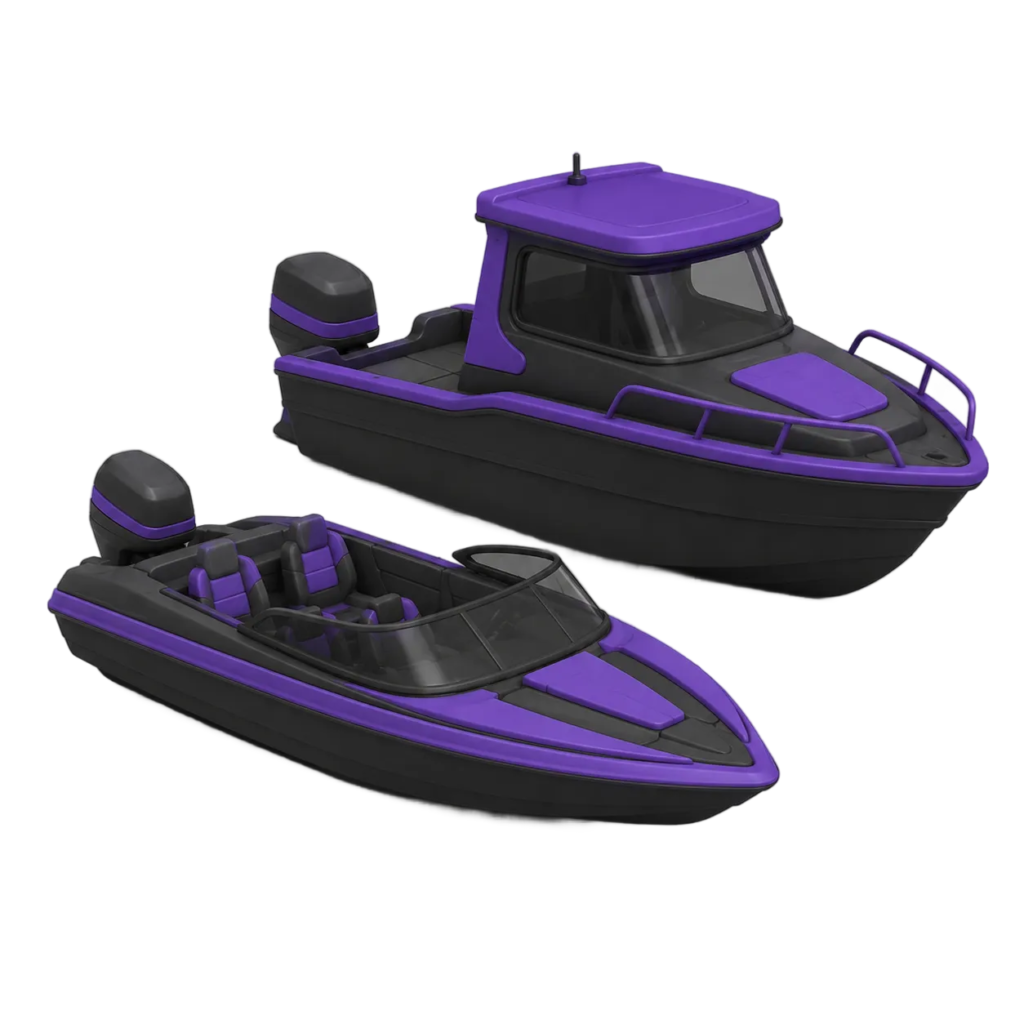
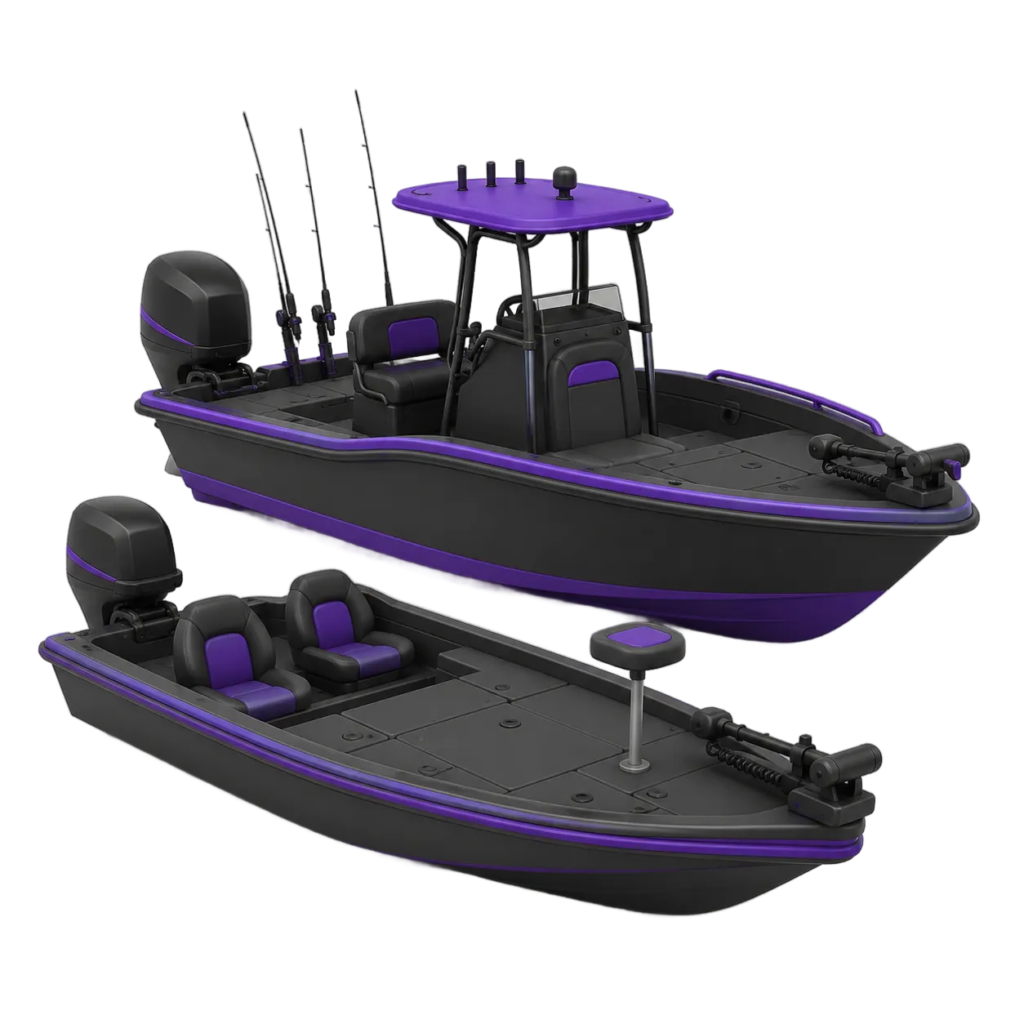
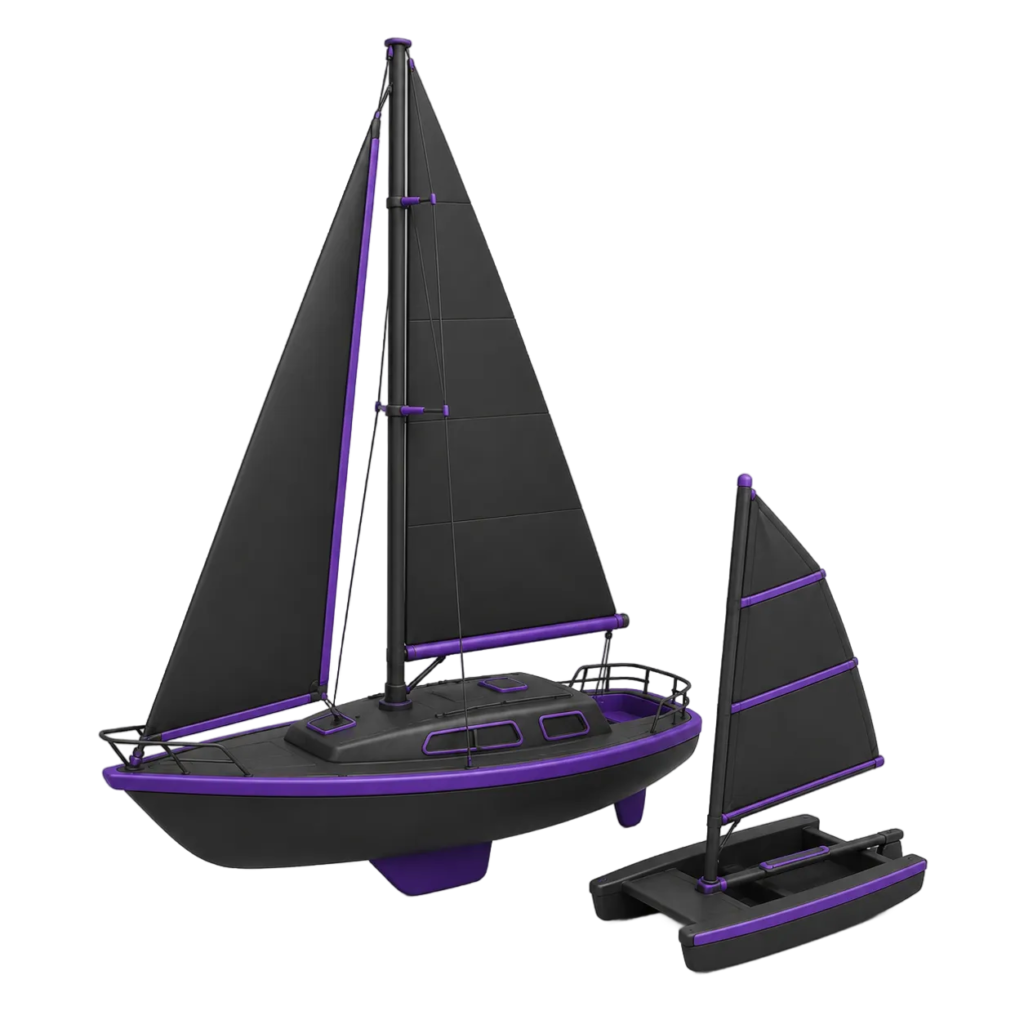
- Sailboats and sailing dinghies
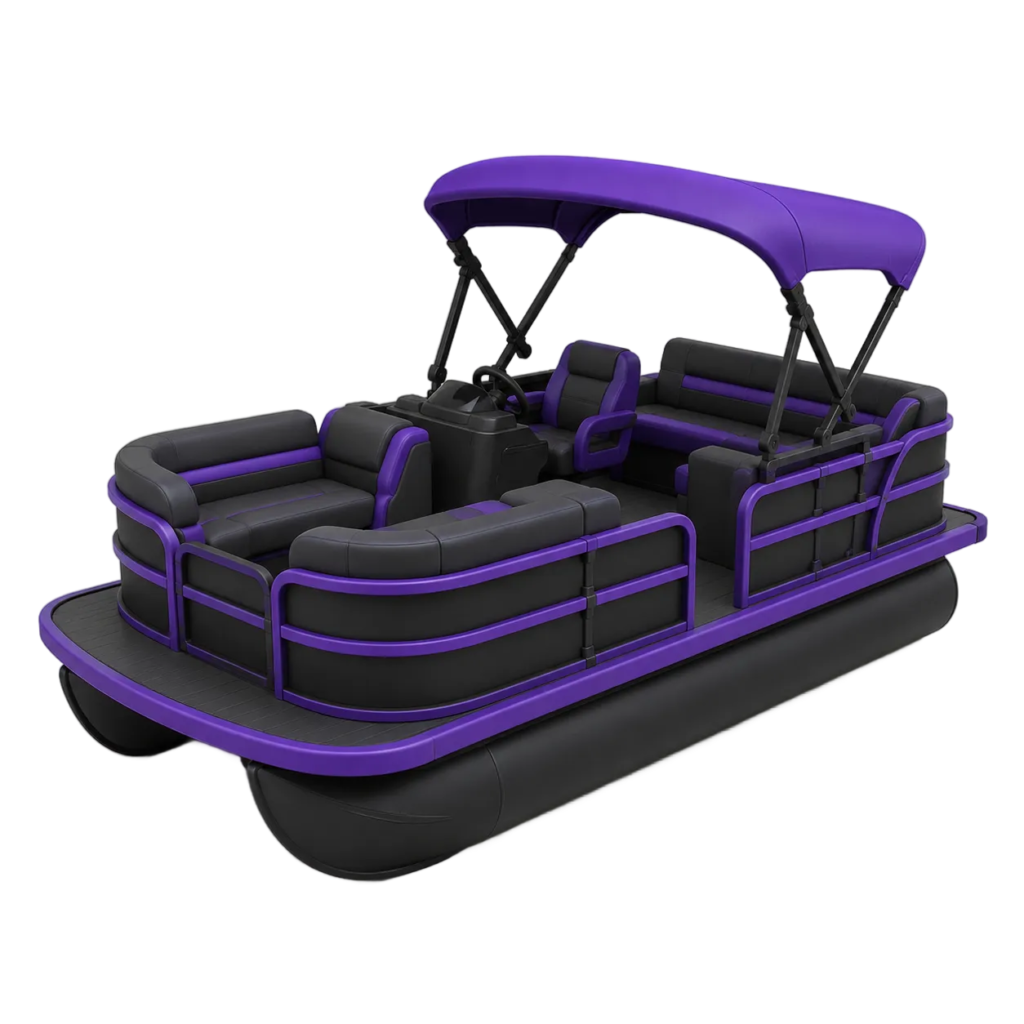
- Pontoon boats
- Personal watercraft (jet skis and similar)

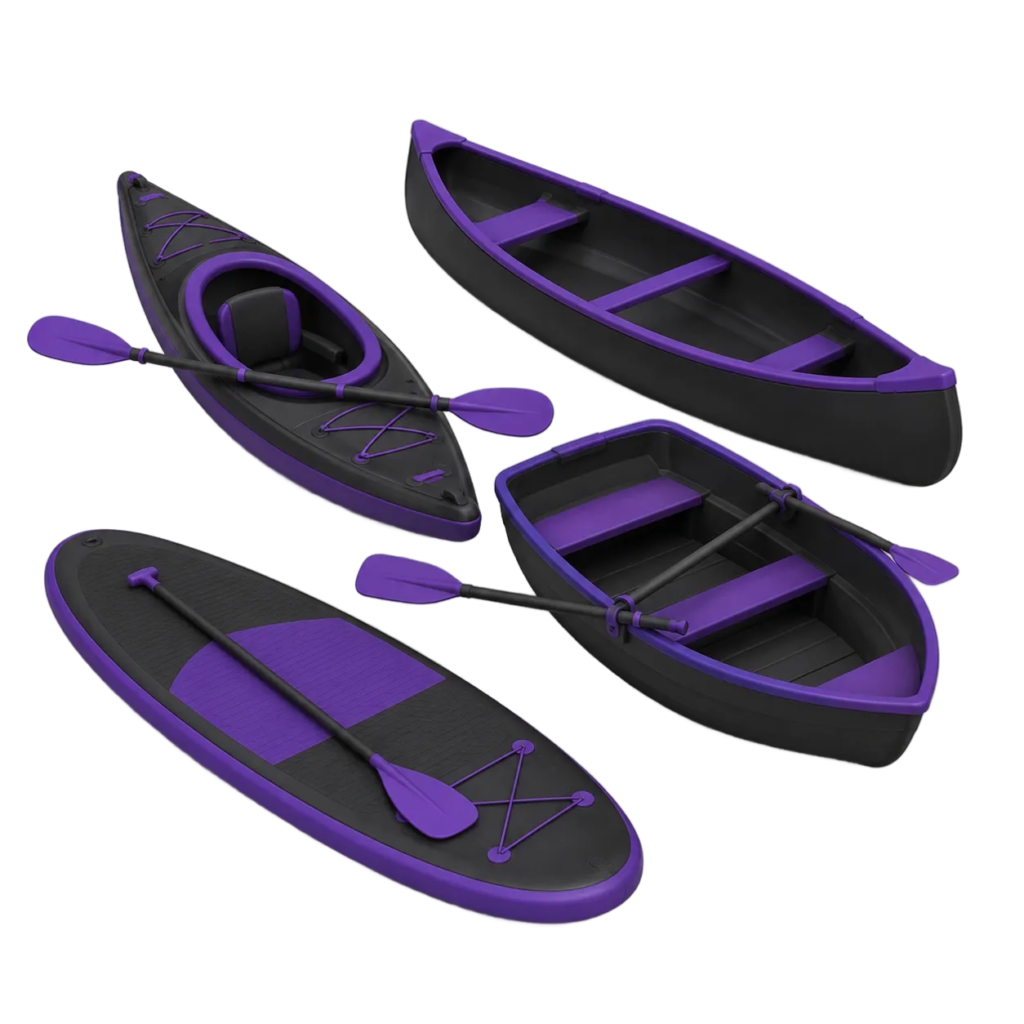
- Small watercraft including kayaks, canoes, rowboats, dinghies, and paddle boats
- Catamarans and yacht-class vessels (subject to individual review)
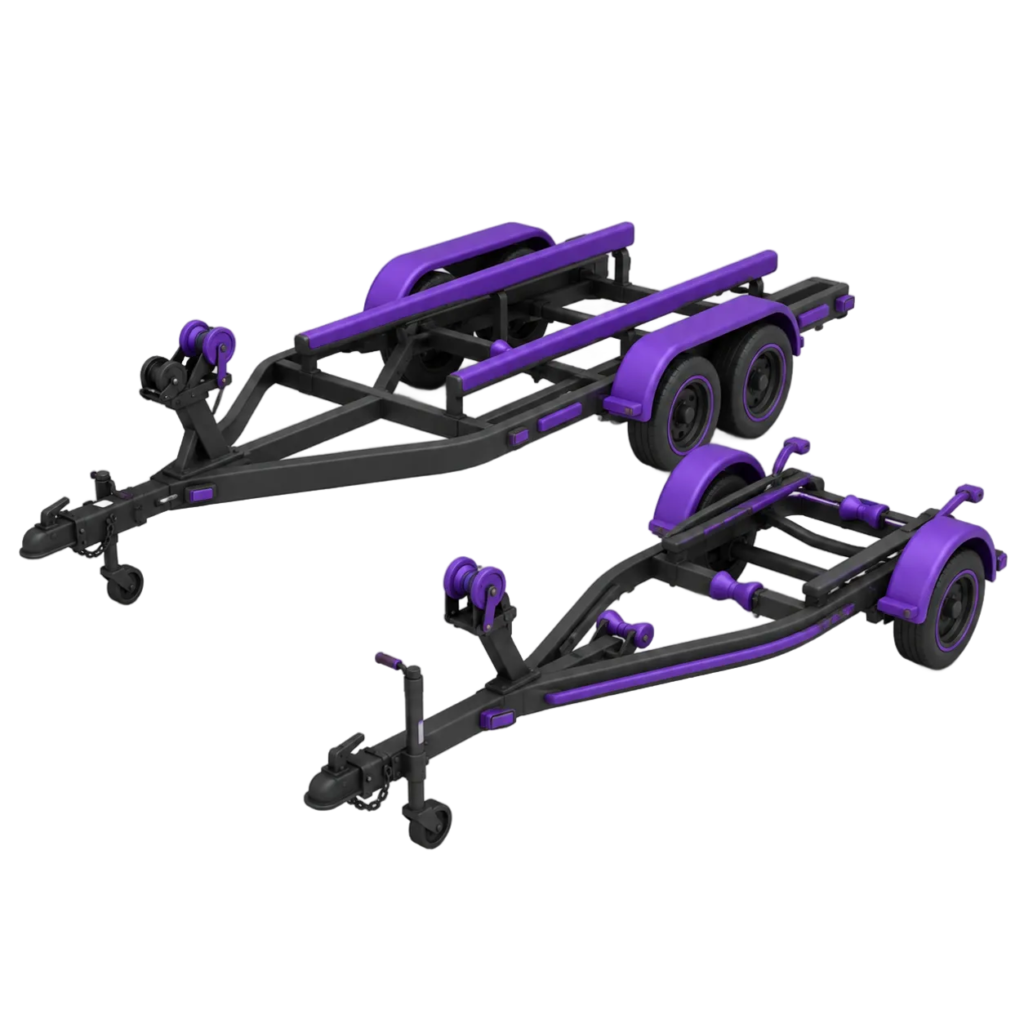
- Boat trailers removed with or without the vessel
Vessels over 40 feet, houseboats, submerged boats, and any junk boat presenting unusual access or safety challenges require an expanded review before a removal plan is confirmed.
Common Conditions
- Old or deteriorating hulls with significant wear, rot, or structural damage
- Non-running or inoperable boats that cannot be moved under their own power
- Flood- or fire-damaged vessels
- Boats stored on a driveway, in a backyard, on a trailer, or at a storage lot
- Vessels sitting at a dock or in a marina slip
- Boats with flat or missing trailer tires, corroded frames, or no trailer at all
- Restricted-access locations requiring extra planning
The Photo-Based Estimate and Removal-Planning Process
Every boat removal starts with information, not assumptions. The boat removal process at EZ Hauling is built around a photo-based estimate so the crew understands exactly what they're dealing with before anyone shows up at your property.
- Submit your details. Provide the service address, clear photos of the boat from multiple angles and of the access path, boat type, approximate length, motor type if applicable, trailer condition, current location (driveway, backyard, dock, storage facility, marina, etc.), and any site rules or deadlines.
- Job review. EZ Hauling reviews the submitted information to assess access, condition, removal method options, and whether any documentation or authorization review is needed for your situation. In some cases, an on-site assessment may be required before a final scope is confirmed.
- Estimate and plan. Once the review is complete, you receive a scoped estimate that covers the selected removal method, access approach, and timing. No work is scheduled until you have a clear picture of what the job involves.
- Scheduling. When the estimate is accepted and the deposit is collected, the job is placed on the schedule. Same-day or next-day service may be available when scheduling and job conditions allow; availability is not guaranteed and depends on crew capacity and job complexity.
- Removal. The crew executes the approved plan. The remaining balance is collected only after the job is complete.
If anything about your situation is unclear — ownership, access restrictions, site rules, or boat condition — an expert at EZ Hauling can walk through it with you before the estimate is finalized. The goal is a transparent scope, not a surprise on removal day.
Pricing, Deposits, and Factors That Affect Your Quote
EZ Hauling publishes starting prices to give you a reference point. The final estimate is always job-specific and depends on the details you submit.
Starting Prices
- Small non-powered watercraft (kayaks, canoes, rowboats, dinghies, paddle boats, paddleboards)
- Starting at $850 flat
- Powered personal watercraft and sailing dinghies
- Starting at $1,200 flat
- Motorboats and sailboats
- $1,000 minimum — final quote depends on length, motor type, access, trailer condition, dismantling requirements, transport, and disposal routing
Deposit Structure
- Motorboats and small watercraft: 25% deposit at booking; remaining balance due upon job completion
- Sailboats: 35% deposit at booking; remaining balance due upon job completion
Factors That Can Change the Estimate
Pricing reflects the real cost of the job. Any of the following can affect your quote:
- Overall boat length and hull material
- Motor type, fuel system condition, and battery status
- Trailer condition — whether it rolls, has flat tires, or is structurally compromised
- Access constraints: narrow gates, soft ground, low clearance, or distance from a road
- Whether the boat must be dismantled on site versus hauled whole
- Fuel, oil, or other materials requiring separate coordination and assessment
- Location type — driveway, backyard, marina slip, dock, storage lot, or similar
- Any site rules imposed by a marina, port authority, or storage facility
Send photos and details to get an accurate, job-specific quote. Internal per-foot rate tables are not published because they do not reflect real-world access and condition variables.
Access, Trailer Condition, and Ownership or Authorization Review
Two factors that consistently shape whether a removal can proceed — and how — are physical access and documentation status. EZ Hauling addresses both during the job review so nothing stalls the crew on removal day.
Physical Access
The access path to your boat directly affects how the crew can haul or remove it. Before a removal plan is confirmed, the crew needs to understand gate widths, overhead clearance, ground conditions, distance from the street, and any marina or dock access rules. If access is restricted or the site has specific entry requirements, include that in your initial submission so it can be factored into the plan.
Trailer Condition
Whether a trailer is present and in what condition affects the removal approach. A trailer that rolls cleanly simplifies transport. A corroded or immobile trailer may require additional steps. Note the trailer status — present or absent, condition, and whether it's included in the removal — when you submit your information.
Ownership or Authorization Review
For some jobs, particularly at marinas, storage facilities, or during estate turnovers, documentation or authorization may need to be reviewed before removal can proceed. Texas Parks and Wildlife publishes guidance on boat title, registration, ownership transfer, and related matters at the state level. What applies to your specific job depends on the vessel and situation. EZ Hauling does not publish a universal document checklist because requirements vary by job. If your situation involves unclear ownership, an estate, an abandoned vessel, or a commercial property, speak with an EZ Hauling representative to understand what the review may involve before scheduling.

How the Removal Method Is Selected for Your Job
There is no single mandatory removal workflow. The method is determined after reviewing your photos, boat details, access, and condition — not before. Marine vessel removal looks different depending on the vessel and the site.
Whole-Boat Hauling or Towing
When access allows and the boat is structurally sound enough to transport intact, the vessel may be loaded and hauled whole, or towed if trailer conditions support it. This is a common approach for boats on functioning trailers with reasonable road access.
On-Site Dismantling
For boats where whole-boat hauling is not practical — blocked access, severe damage, no trailer, or a hull that can't be safely transported — the crew may completely dismantle the vessel on site. The remaining ordinary debris is then hauled away. This approach does not require a specialized off-site facility for every component.
Off-Site Salvage, Recycling, or Disposal Routing
When off-site routing for salvage, recycling, or responsible disposal is appropriate for a specific job, EZ Hauling coordinates it. This is a conditional option, not a standard step applied to every removal. Acceptance at any off-site facility must be confirmed during the estimate process, and no specific facility in El Paso County has been pre-verified for this page. Any applicable recycling or disposal routing is discussed as part of your job review.
Hazardous Materials
Fuel, oil, batteries, and similar materials require a separate assessment and coordination step. EZ Hauling does not imply unconditional handling of hazardous materials; the procedure is addressed job by job during the review.

Serving El Paso and El Paso County, TX
EZ Hauling Services handles boat removal and disposal for customers in El Paso, TX and across El Paso County, including residential properties, commercial sites, marina locations, storage facilities, and dock areas throughout the city and the surrounding region. El Paso County is a large geographic area, and access conditions vary considerably from one property to the next — a boat sitting on a flat driveway downtown is a very different job from a vessel at a storage lot with restricted vehicle entry or a dock situation with weight limits.
Because El Paso is an inland city with limited waterway infrastructure, boats here are most often found on trailers, in driveways, in backyards, at storage facilities, or in commercial yards rather than active marinas. That context affects how removal is planned, but it doesn't change the basic process: submit your address, photos, and access details, and EZ Hauling reviews the job before confirming a method and schedule.
If you're serving El Paso as a property manager, estate representative, or business handling a deadline-driven cleanup, include your timeline with the initial submission so scheduling can be coordinated with your broader project. No local disposal facility acceptance in El Paso County has been pre-verified; applicable routing is confirmed during the estimate.
EZ Hauling is fully licensed and insured. Partner crews used for covered jobs are verified as licensed and insured. The crew handles the heavy lifting so you don't have to coordinate separate haulers or figure out proper disposal on your own.

Nearby Service Areas
Boat Removal Near El Paso
Frequently Asked Questions
What information do I need to request an estimate?
Send the service address, clear photos of the boat and the access path, boat type, approximate length, motor type if it has one, trailer status (present, condition, included or not), current location, any site rules, and your preferred timing or deadline. The more detail you include, the more accurate the initial quote. An EZ Hauling expert may follow up with additional questions before finalizing the scope.
How soon can the boat be removed after I request a quote?
Same-day or next-day service may be available when scheduling and job conditions allow. It is not guaranteed. Complex jobs — boats requiring on-site dismantling, restricted access, or additional documentation review — typically require more lead time. Timing is confirmed after the job review, not before.
Does my boat have to be running or on a working trailer?
No. EZ Hauling reviews non-running, damaged, and immobile vessels. A boat on a broken-down or missing trailer is a routine part of the review. The removal method selected will account for the actual condition of the vessel and trailer, which is why photos and condition details matter at the estimate stage.
Will I need to provide ownership or authorization documents before removal?
It depends on the job. Some removals — particularly those involving estates, marinas, storage facilities, or abandoned vessels — may involve a documentation or authorization review. EZ Hauling does not apply a universal checklist. If your situation involves unclear ownership or commercial property authorization, speak with an EZ Hauling representative to understand what the review may require before scheduling.
How is a junk boat removal different from a typical haul-away job?
A junk boat removal may involve dismantling the vessel entirely on site rather than hauling it whole, coordinating access with a marina or storage facility, assessing fuel and oil for separate handling, or reviewing ownership status before work begins. A straightforward junk removal job typically involves none of those steps. That's why EZ Hauling reviews every boat job individually — the method, access plan, and any documentation needs are determined by the specific vessel and site, not a one-size-fits-all procedure.
Can you remove just the boat trailer without the boat, or the boat without the trailer?
Yes, either scenario can be reviewed. Specify in your submission whether the trailer is included in the removal, whether the boat has a trailer at all, and the condition of the trailer if present. The estimate will reflect what's actually being removed.
Ready to Remove Your Boat? Request an Estimate Today
EZ Hauling Services is ready to review your boat removal job in El Paso, TX. Whether you have an old motorboat on a bad trailer in your backyard, a junk boat removal near me search that brought you here, or a commercial property with a vessel that needs to go, the next step is the same: send us the details and get a real, job-specific quote.
Request a boat removal estimate online or call (888) 401-7041 to speak with an EZ Hauling representative directly. Provide your address, photos, boat type, condition, trailer status, and access notes to get started. Any documentation or authorization needs are determined during the review — not after the crew arrives.