Professional Boat Removal Services in Grand Prairie
EZ Hauling Services provides boat removal throughout Grand Prairie, TX for boat owners, property managers, marina and storage facility managers, estate representatives, and businesses that need a clear plan and a job-specific quote. Whether a vessel is sitting on a trailer in your driveway, taking up space in a storage lot, or parked at a dock area, send us the address, clear photos of the boat and access path, the boat type and approximate length, its condition, trailer status, and any site rules or deadlines, and we will review the job and return a scoped estimate before anything is scheduled. Call (888) 401-7041 or request a quote online.

Boat Conditions and Types We Review for Removal
Our boat removal services include a wide range of vessels in varying condition. We review jobs involving boats that are old, non-running, storm-damaged, fire-damaged, structurally compromised, or simply unwanted. Condition affects the removal plan, but it does not automatically disqualify a job — send the photos and let the review determine the path forward.
Boat types commonly submitted for review include:
- Motorboats of various sizes
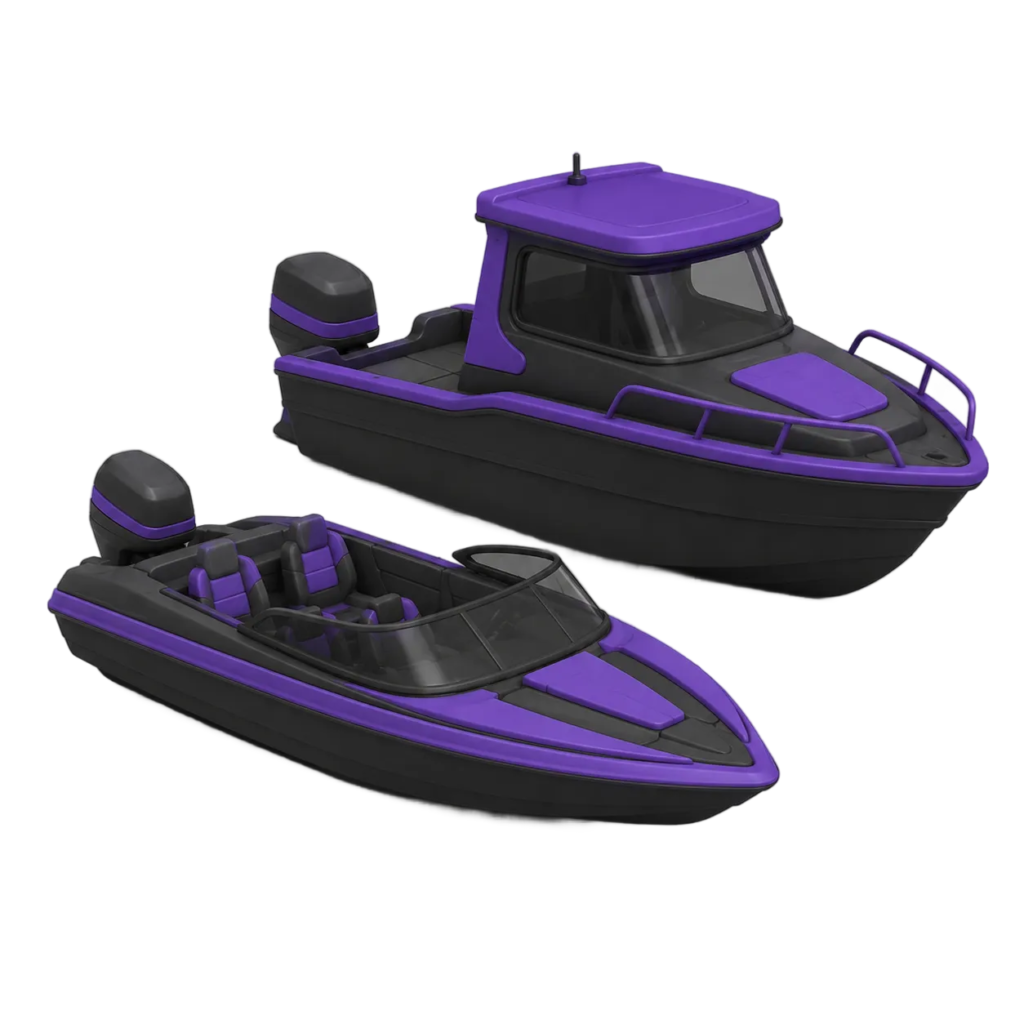
- Sailboats, including sailing dinghies
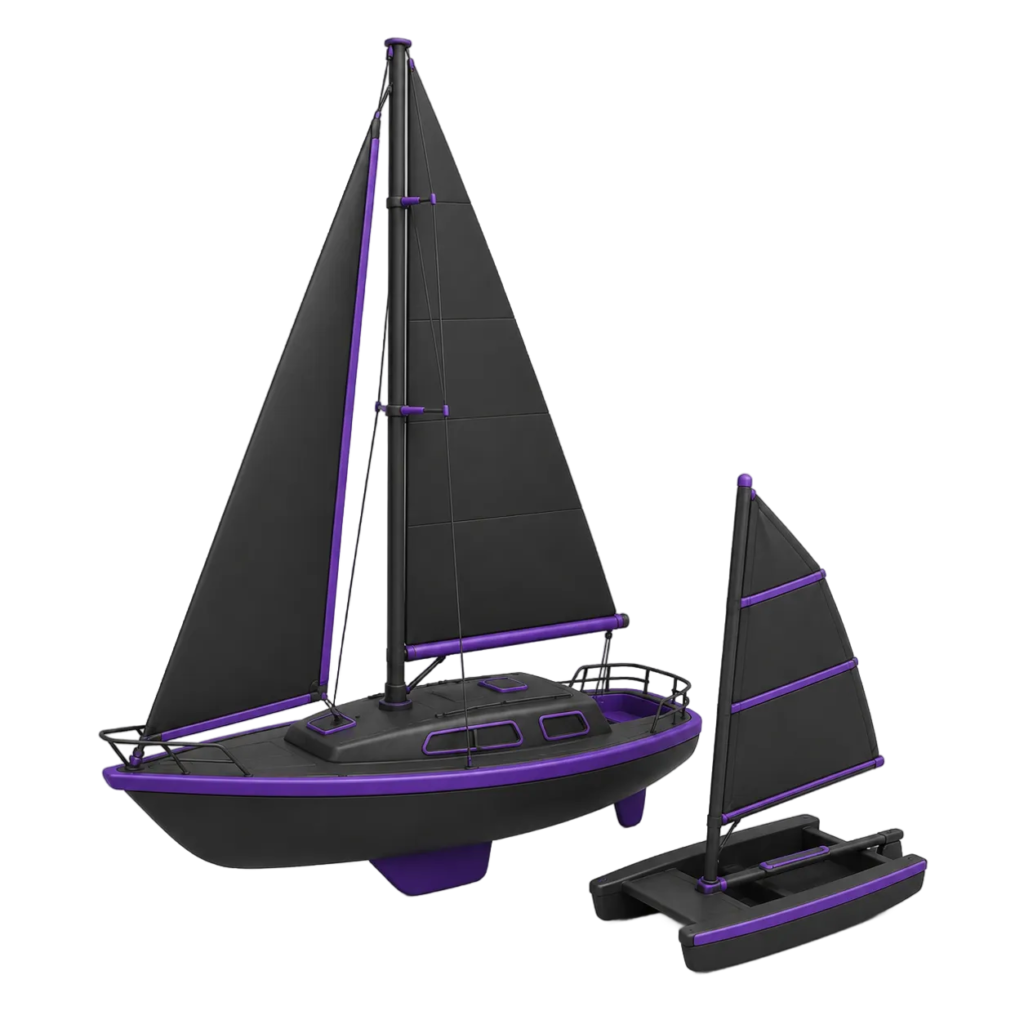
- Pontoon boats
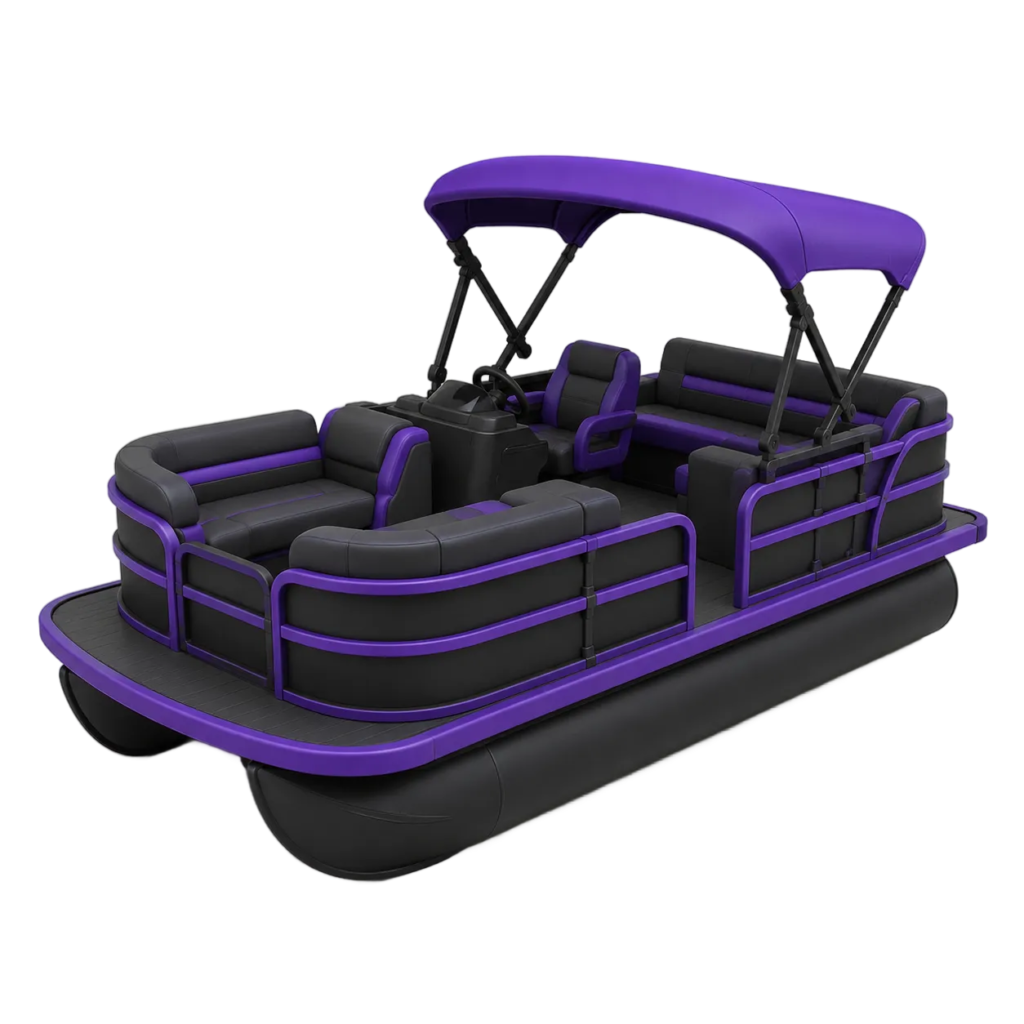
- Fishing boats
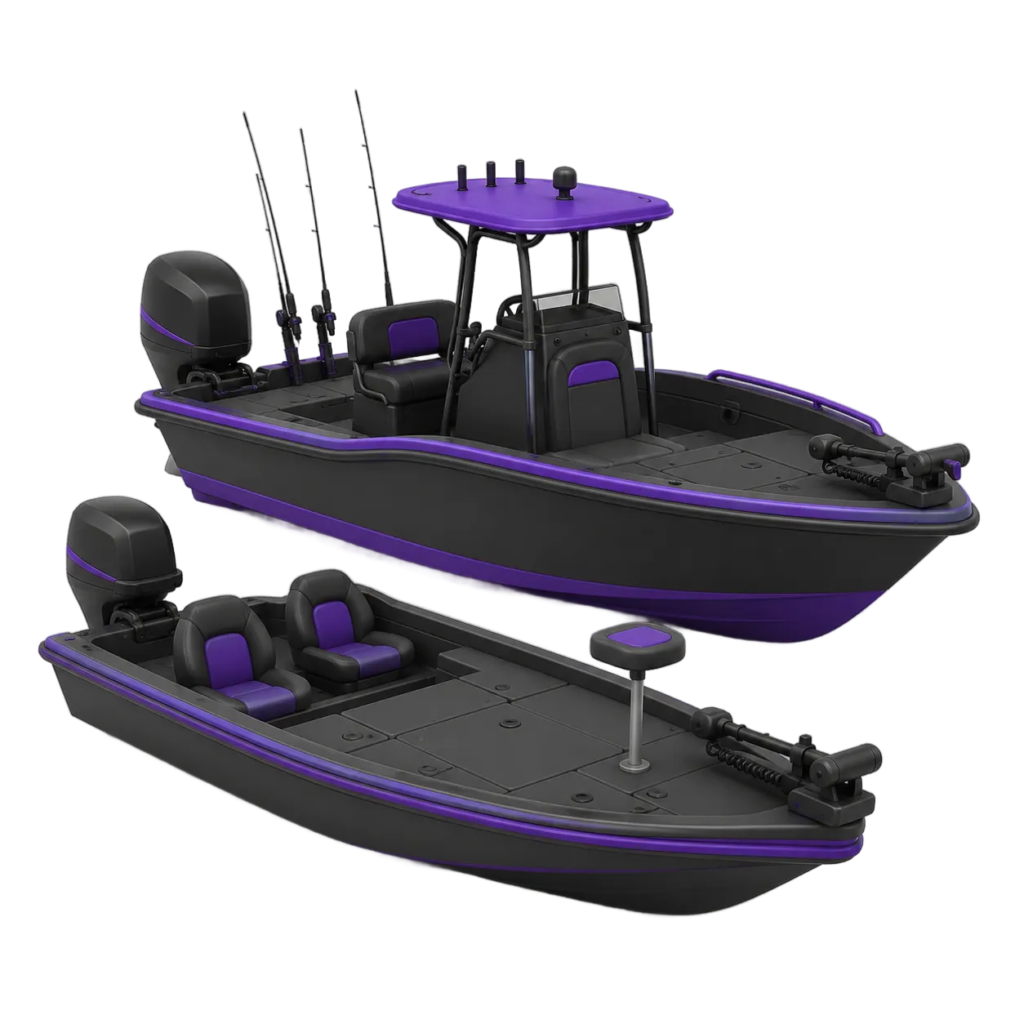
- Personal watercraft such as jet skis

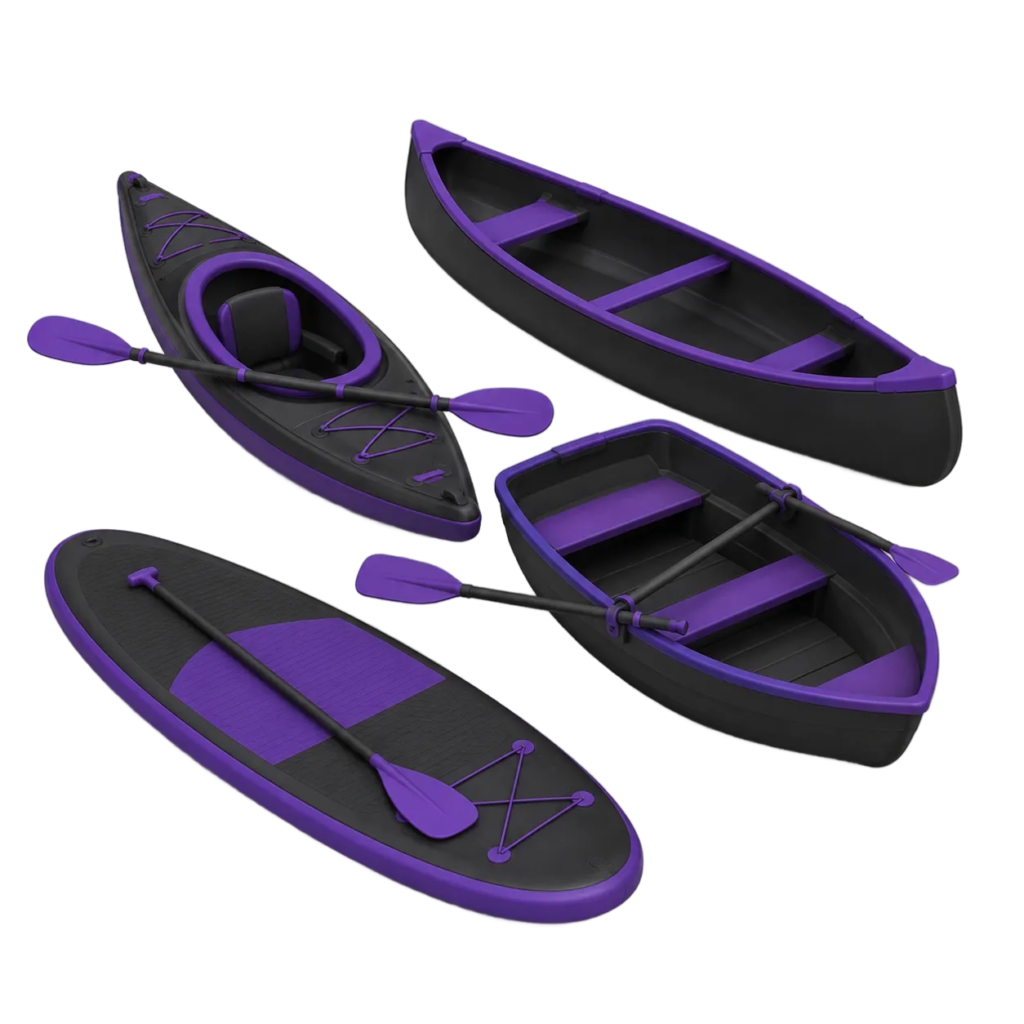
- Small non-powered watercraft including kayaks, canoes, rowboats, dinghies, and paddle boats
- Catamarans and other multi-hull vessels
- Yachts, subject to individual job review
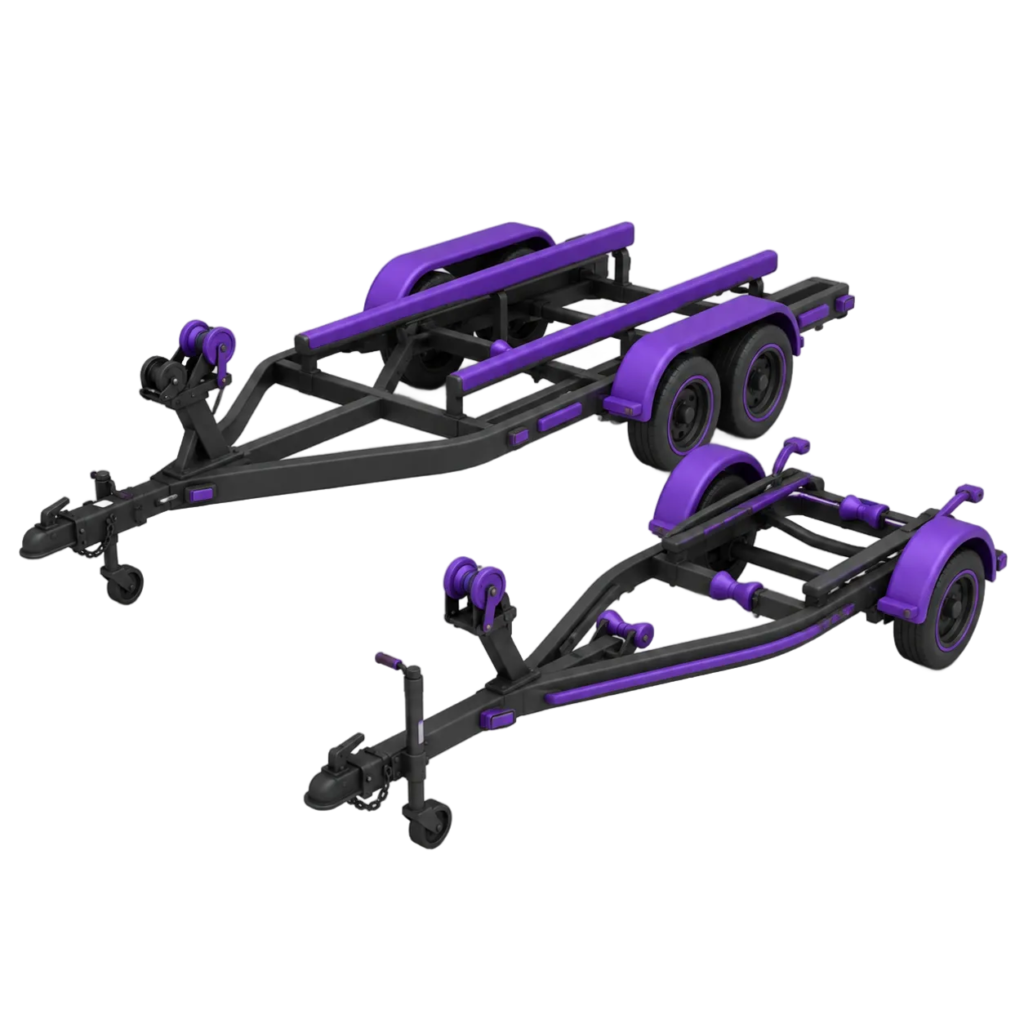
- Boat trailers
Certain situations require additional review before scheduling can proceed. These include submerged boats, houseboats, vessels over 40 feet, abandoned boats, boats without clear ownership documentation, and any setup involving unsafe or restricted access. If your situation falls into one of those categories, contact us directly — we will walk through what the review requires.
Boats with fuel, oil, batteries, or other hazardous materials on board need separate assessment and coordination. Do not assume those materials are handled automatically as part of a standard removal; the estimate review addresses them specifically.
The Photo-Based Estimate and Removal-Planning Process
Every removal starts with information, not assumptions. The boat removal process at EZ Hauling is built around a job-specific review so that the removal plan actually fits the boat, the site, and the situation — not a generic template.
- Submit your details. Provide the service address, clear photos of the boat from multiple angles, photos of the access path, the boat type and approximate length, condition notes, trailer status, and any deadlines or site-specific rules that will affect the job.
- We review the job. Our team evaluates the photos, access, boat details, and any site constraints. If we need additional information or an on-site assessment before we can scope the work, we will tell you that directly.
- You receive a scope and estimate. Once the review is complete, we provide a written estimate and explain the planned removal method. We do not schedule work until you understand what the job involves and have approved the scope.
- Removal is scheduled. When scheduling and job conditions allow, same-day or next-day service may be available. We coordinate timing with you and, for commercial or marina jobs, with any site contacts who need to be looped in.
- The crew completes the job. EZ Hauling crews or verified licensed and insured partner crews carry out the approved removal plan. The remaining balance is collected only after the job is complete.
If your situation involves a marina or storage facility with specific access rules, or an estate or business deadline that needs to be coordinated with a larger project, flag that in your initial submission. The review procedure accounts for site-specific requirements rather than forcing a one-size approach.
Transparent Pricing and Deposit Terms
Pricing depends on the boat type, length, motor type, condition, trailer status, access complexity, and any dismantling, transport, or disposal requirements specific to that job. The figures below are confirmed starting prices, not flat universal rates.
- Small non-powered watercraft (kayaks, canoes, rowboats, dinghies, paddleboards, paddle boats)
- Starting at $850 flat. A 25% booking deposit applies.
- Powered personal watercraft and sailing dinghies
- Starting at $1,200 flat. A 25% booking deposit applies.
- Motorboats and sailboats
- A $1,000 minimum applies. The final quote depends on length, motor type, access, trailer condition, dismantling requirements, transport, and disposal factors. Motorboats carry a 25% booking deposit; sailboats require a 35% booking deposit.
The remaining balance on any job is not collected until the work is finished. Factors that can move a quote above the starting price include difficult or restricted access, a trailer in poor or non-functional condition, the need for on-site dismantling, the size and weight of the vessel, and any special handling required for hazardous materials already identified during the review. Send your photos and details to get an accurate, job-specific quote rather than relying on a starting figure alone.
If you want a general sense of cost before submitting photos, call (888) 401-7041 and describe the situation. We can tell you whether the job falls closer to the starting rate or whether the review will likely identify additional factors that affect the final number.
Access, Trailer Condition, and Ownership Review
Access is one of the most important inputs in any boat removal estimate. A vessel sitting on an open driveway with a working trailer is a fundamentally different job from one stored behind a locked gate, wedged between structures, or positioned on a dock where equipment and site rules limit options. Describe the access situation fully when you submit photos — it directly shapes the removal plan and the quote.
Trailer condition matters as well. A functional trailer with a valid registration opens up towing as a practical option. A deteriorated, non-functional, or trailer-less setup shifts the planning toward other methods. Include the trailer's condition and status in your initial submission.
For estate representatives or businesses clearing a property under a deadline, include the deadline and any coordination requirements with your submission. If another party — such as a marina, storage facility, or property owner — controls access or must authorize removal, note that upfront so the review accounts for it.
Documentation and authorization requirements vary by job. Some removals require ownership or transfer documentation under Texas Parks and Wildlife guidelines; others involve authorization from a property or facility manager. EZ Hauling does not publish a universal document checklist because the applicable requirements depend on the individual job. If it is unclear what your situation requires, speak with an EZ Hauling representative directly — that conversation is part of the review process, not an obstacle to it.

Job-Specific Removal Methods
No single removal method applies to every boat. The approved approach is selected only after the job review is complete and is based on the boat's size, condition, trailer status, access path, and the removal setting. Customers in Grand Prairie and the surrounding area can expect one of the following general approaches, or a combination of them, depending on what the review determines:
- Whole-boat hauling. When the vessel is intact, the access path supports it, and transport is practical, the boat may be hauled away in one piece.
- Towing. A boat on a functional trailer may be towed directly from the property when the trailer condition and site access allow it.
- Complete on-site dismantling followed by ordinary debris hauling. When a boat cannot be removed whole — due to size, condition, access, or other constraints — the crew may fully dismantle it on site and haul away the remaining ordinary debris. This is a legitimate and common outcome, not a last resort.
Off-site salvage, recycling, or responsible disposal routing may be used when it is appropriate for a specific job. That determination is made during the review, not assumed in advance. EZ Hauling does not promise a specific recycling, salvage, or donation result for any boat.
The crew assigned to your job — whether an EZ Hauling team or a verified licensed and insured partner crew — handles the heavy lifting and the physical removal work. The method you are told about during the estimate is the method that gets executed.

Boat Removal Services in Grand Prairie and Dallas County
EZ Hauling serves Grand Prairie, TX and the surrounding communities throughout Dallas County. Grand Prairie sits within one of the most active urban areas in North Texas, and boats in this part of the state turn up in a wide variety of settings — residential driveways, backyards, commercial storage facilities, and dock areas near area lakes. The size and density of the city means access situations vary considerably from one property to the next, which is exactly why a photo-based review is the right starting point rather than a phone quote based on guesswork.
For commercial property managers and marina or storage facility operators across Dallas County, the job review accounts for site-specific access rules, authorization requirements, and any coordination with facility staff. If you manage a site where a vessel is occupying a slip or storage space and removal needs to be documented and access-aware, submit the site rules, your contact information, and the boat details so the review can be structured appropriately.
Texas Parks and Wildlife publishes guidance on boat title, registration, ownership transfer, and related matters that may be relevant depending on the specifics of your situation. EZ Hauling does not act as legal counsel or title-resolution service, but the review process will surface any documentation questions that need to be addressed before work is scheduled. When requirements are unclear, speaking with an EZ Hauling representative is the right next step — not guessing at what applies.
EZ Hauling is fully licensed and insured, and any partner hauler used to fulfill a covered job is verified as licensed and insured as well. That coverage applies across Grand Prairie and all of Dallas County within our confirmed service area.

Nearby Service Areas
Boat Removal Near Grand Prairie
Frequently Asked Questions
What information do I need to send to get an estimate?
Send the service address, clear photos of the boat from multiple angles and of the access path, the boat type and approximate length, its current condition, trailer status, and any site rules or deadline that affects the job. That information lets the review produce an accurate, job-specific quote rather than a rough guess. The more detail you provide upfront, the faster the estimate process moves.
How quickly can a removal be scheduled?
Same-day or next-day service may be possible when the schedule and job conditions allow, but neither is guaranteed. Timing depends on crew availability, job complexity, and site access. Once the review is complete and the estimate is approved, we work to schedule a removal window that fits the situation.
Does my boat have to be running or intact to qualify for removal?
No. EZ Hauling reviews jobs involving non-running, damaged, deteriorated, and structurally compromised vessels. Condition affects the method selected — a boat that cannot be moved whole may be dismantled on site — but it does not automatically disqualify a job. Submerged boats, oversized vessels, and abandoned boats without clear ownership documentation do require additional review before scheduling.
Will I need to provide ownership or authorization documents?
It depends on the job. Some removals involve documentation requirements under Texas state guidelines or site-specific authorization from a property or facility manager. EZ Hauling does not publish a single universal document list because requirements vary. If you are unsure what your situation requires, speak with an EZ Hauling representative — that is part of what the review process is designed to work through.
What happens to the boat after it is removed?
The off-site routing depends on the job. Some boats are transported whole to an appropriate facility; others are fully dismantled on site, and the remaining ordinary debris is hauled away. When salvage, recycling, or other disposal options are appropriate for a specific job, they may be used. EZ Hauling does not promise a specific recycling, salvage, or donation result for any vessel — the outcome is determined by what is practical and appropriate for that particular removal.
Does the trailer get removed as well?
Trailer removal can be included in the job scope. The trailer's condition and registration status are relevant inputs — a functional trailer may be towed, while a deteriorated or non-functional trailer may require a different approach. Include the trailer's current condition and status when you submit your photos and details so the estimate accounts for it accurately.
Request Your Boat Removal Estimate Today
If you have an old, damaged, unwanted, or non-running boat that needs to come off your property in Grand Prairie, TX, the practical next step is to submit your details and get a job-specific removal plan. EZ Hauling Services is licensed, insured, and serving customers in Grand Prairie and throughout Dallas County.
Send the address, boat photos, approximate length, condition, trailer status, and access notes to request a boat removal estimate online, or call us directly at (888) 401-7041. We review the job and provide a clear scope and quote before any work is scheduled.