Professional Boat Removal Services in Hampton, VA
EZ Hauling Services provides boat removal in Hampton, VA for boat owners, property managers, marina and storage facility managers, estate representatives, and businesses dealing with an old, damaged, non-running, or unwanted vessel. Whether your boat is sitting on a trailer in the driveway, parked at a dock, or taking up space in a storage lot, send us the address, clear photos of the boat and the access path, the approximate length, trailer status, and any site rules, and we will review the job and provide a scope and estimate before scheduling.

Boat Types and Conditions We Review for Removal
Our boat removal services include a wide range of vessel types across Hampton city and the surrounding area. If you are unsure whether your specific situation qualifies, submit photos and details and let the job review confirm it.
Vessel Types Accepted for Review
- Motorboats — inboard and outboard powered craft of various sizes
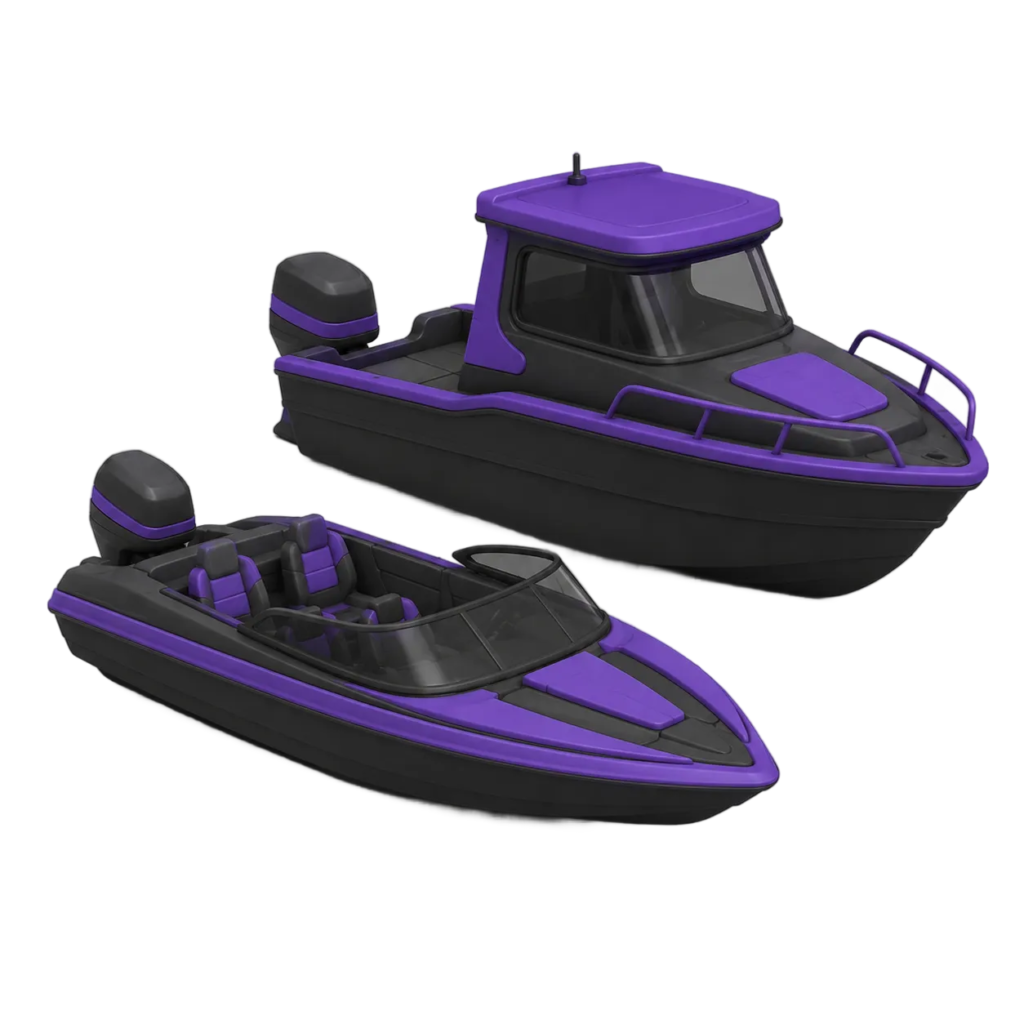
- Sailboats — including keelboats, sloops, and other sail-powered hulls
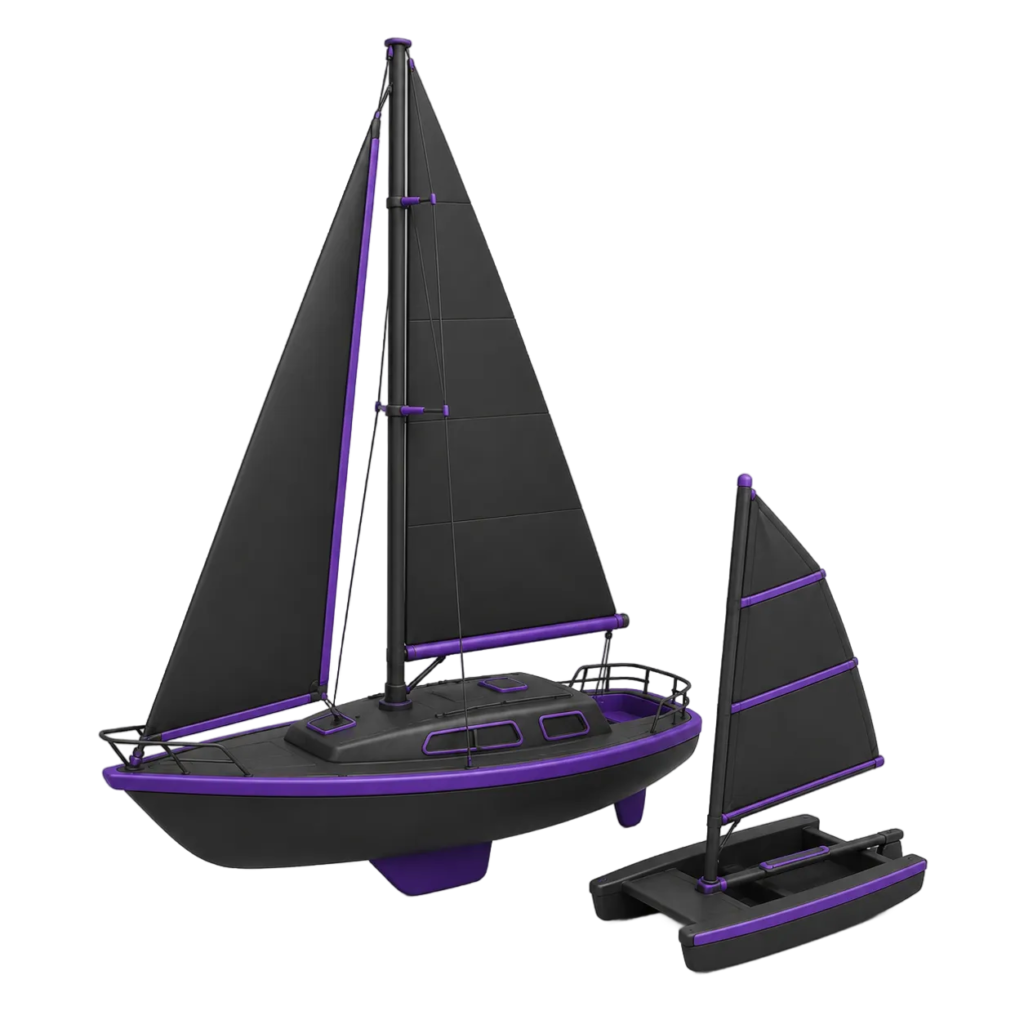
- Pontoon boats — flat-deck multi-tube platforms
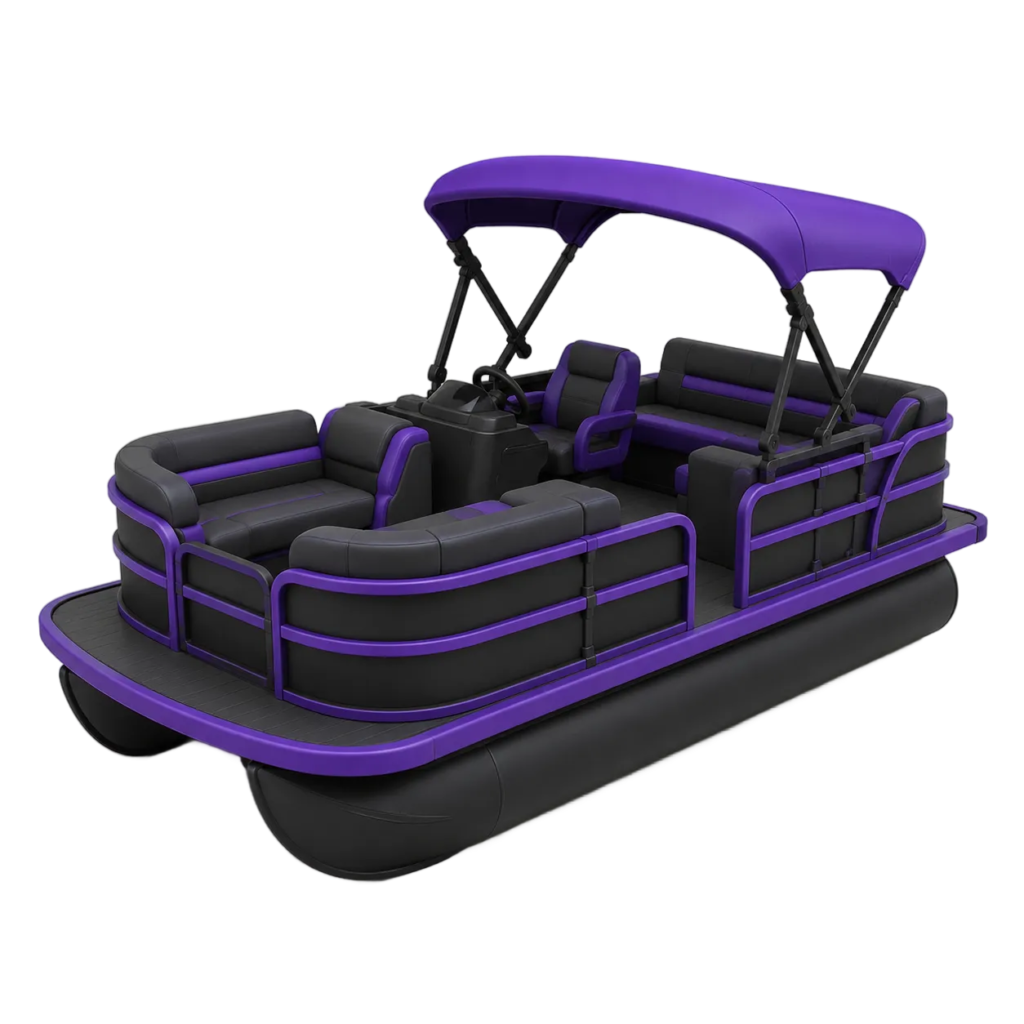
- Fishing boats — jon boats, bass boats, and similar craft
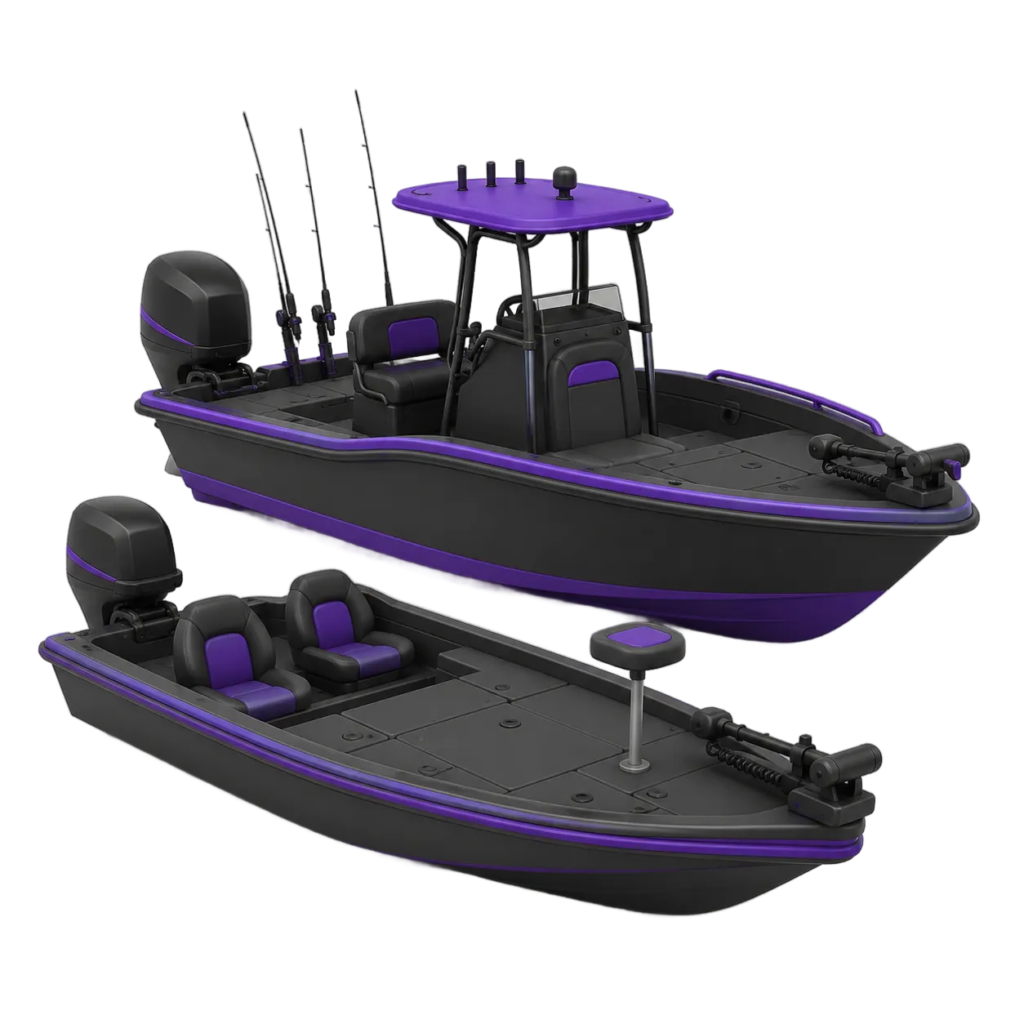
- Personal watercraft — jet skis and similar powered watercraft

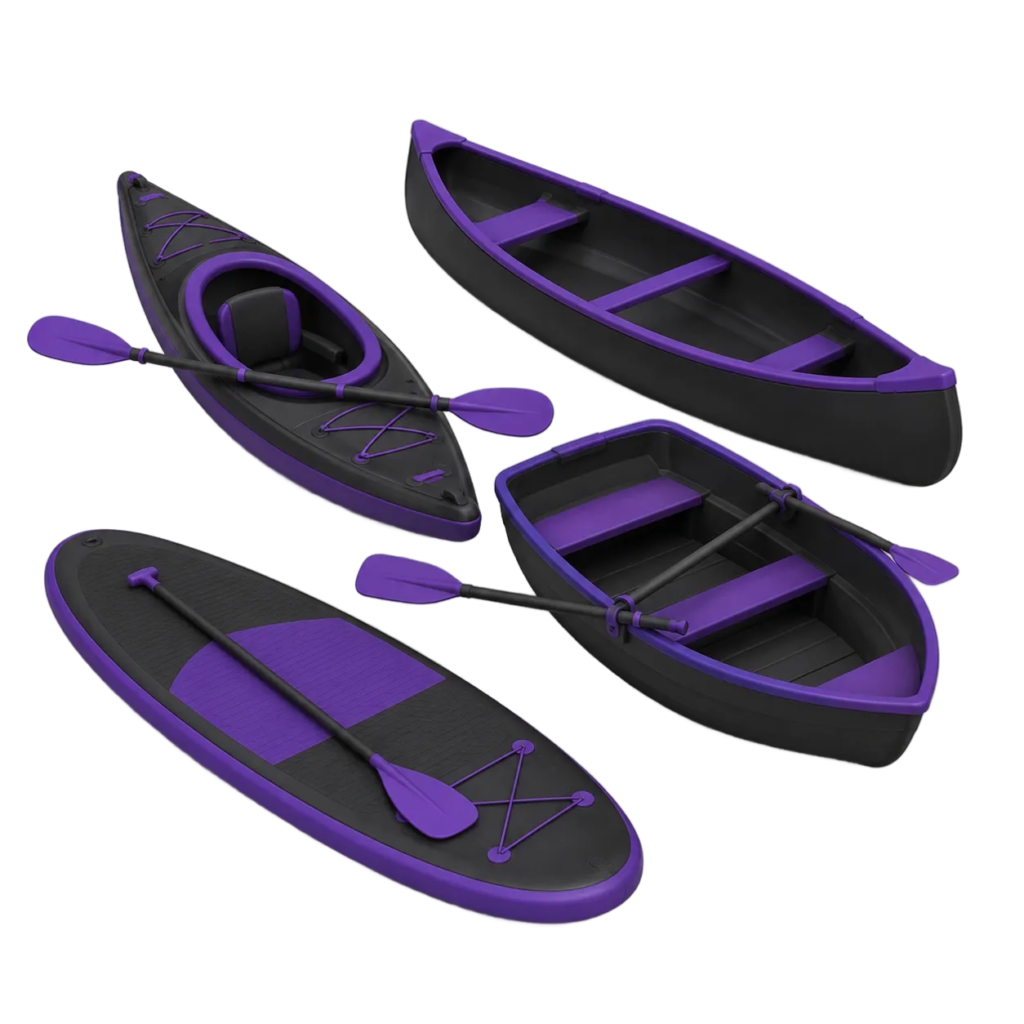
- Small watercraft — kayaks, canoes, rowboats, dinghies, paddle boats, and paddleboards
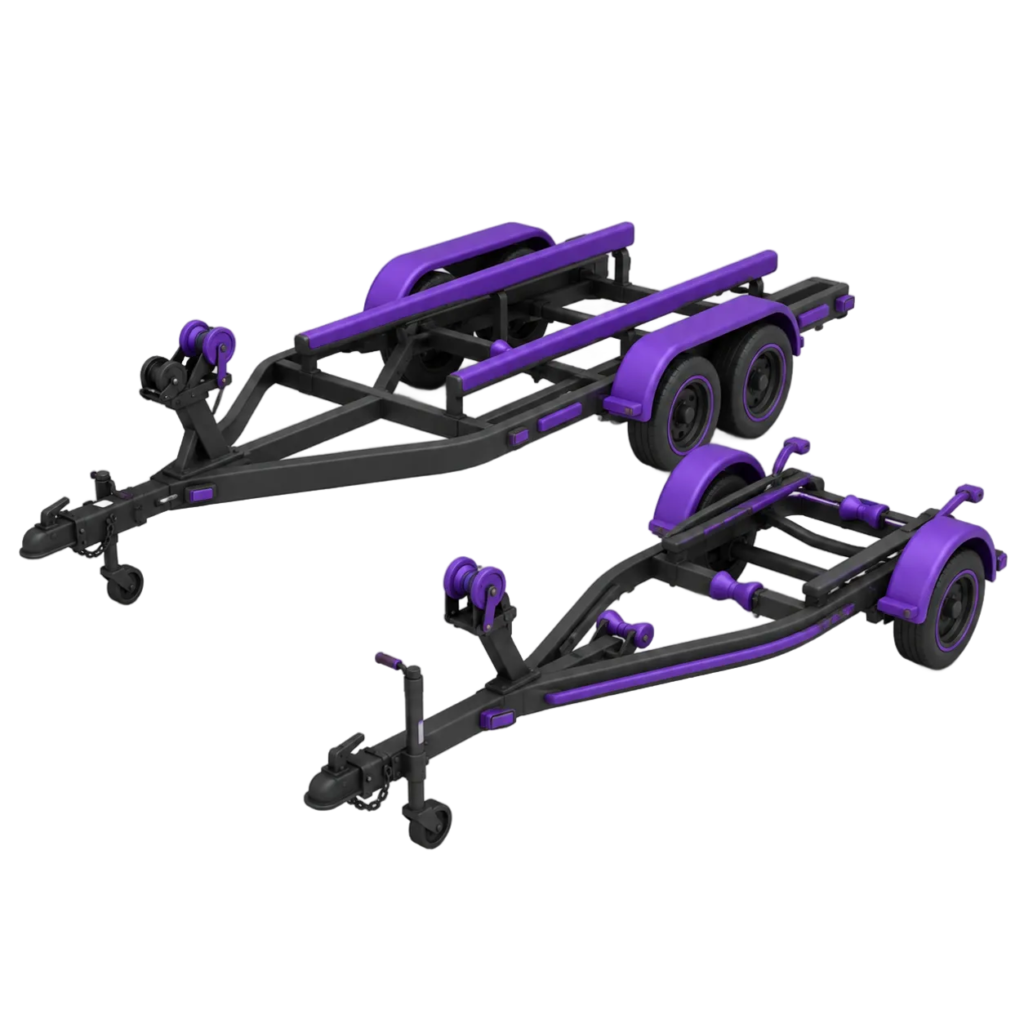
- Boat trailers — standalone or paired with the vessel
- Catamaran and multi-hull boats — reviewed on a per-job basis
- Yacht removal — subject to access, size, and additional review
Common Conditions That Trigger Removal
- Old, deteriorating hulls that are no longer seaworthy
- Damage from storms, collisions, or prolonged neglect
- Non-running engines or severely corroded frames
- Junk boat situations on residential or commercial property
- Vessels blocking a slip, dock, or storage space at a marina
- Abandoned boats left on a property during an estate turnover or sale
- Boats that have sat in a backyard or on a driveway for years
Submerged boats, houseboats, boats over 40 feet, and vessels with restricted or unsafe access require additional review before we can confirm scheduling. Fuel, oil, batteries, and other hazardous materials also require a separate assessment during the estimate process — we do not make unconditional commitments regarding hazardous-material handling before reviewing the job.
The Photo-Based Estimate and Removal-Planning Process
Understanding what a removal actually involves starts with the right information upfront. That is why our boat removal process is built around a photo-based review rather than guesswork or a one-size-fits-all approach.
- Submit your details. Provide the service address, clear photos of the boat from multiple angles, the approximate length and type, motor type if powered, trailer condition and status, any known damage, and notes on access — gates, overhead clearance, soft ground, or marina rules.
- Job review. Our team reviews the photos and information to determine whether the job can be estimated remotely or whether an on-site assessment is needed first. We also identify at this stage whether any documentation or authorization review applies to your situation.
- Scope and estimate. Once the review is complete, we provide a written scope describing the planned removal method and a job-specific estimate before any work is scheduled.
- Schedule removal. We coordinate a removal window that works with your property, business, or project timeline. Same-day or next-day service may be available when the schedule and job conditions allow, but it is not guaranteed.
- Removal and cleanup. The approved crew arrives and executes the removal method confirmed during the estimate — whether that means hauling the boat whole, towing it out, or dismantling it on site and hauling the remaining debris away.
Every step — method, timing, and any situation-specific requirements — is confirmed before the crew arrives. There are no surprises on job day.
Transparent Pricing: Starting Rates and Deposit Terms
Pricing is job-specific. The factors that affect your final quote include boat length, type, motor configuration, access difficulty, trailer condition, whether dismantling is required, transport logistics, and applicable disposal requirements. Below are the confirmed starting prices you can use as a baseline.
- Small non-powered watercraft (kayaks, canoes, rowboats, dinghies, paddle boats, paddleboards)
- Starting at $850 flat
- Powered personal watercraft and sailing dinghies
- Starting at $1,200 flat
- Motorboats and sailboats
- Minimum starting at $1,000; final estimate depends on length, motor type, access, trailer condition, dismantling scope, transport, and disposal requirements
Deposit and Balance Terms
- Motorboats and small watercraft: 25% booking deposit; remaining balance collected after job completion
- Sailboats: 35% booking deposit; remaining balance collected after job completion
These are starting prices based on category. An affordable rate for your specific removal depends on the full job review. Do not use these figures as a final quote — request an estimate with your boat details to get an accurate number.
The cost drivers that most often move an estimate upward include difficult access (narrow gates, soft or sloped ground, marina dock clearance), the need to dismantle the vessel on site, an attached trailer in poor condition that requires separate handling, and the presence of fuel, oil, or batteries that require separate assessment and coordination.
Access, Trailer Condition, and Ownership or Authorization Review
Before we can confirm a removal plan, we need a clear picture of the property access and the situation surrounding ownership or authorization. These factors shape every part of the job — from the equipment the crew brings to whether additional steps are required before work begins.
Access Factors
- Gate width and driveway clearance
- Overhead obstructions such as trees, power lines, or low structures
- Ground conditions — soft soil, gravel, pavement, or dockside terrain
- Marina or storage facility site rules and any required coordination
- Proximity to a waterway or dock edge
Photos of the access path are just as important as photos of the boat itself. A property with restricted access may change the removal method entirely.
Trailer Status
If a trailer is present, let us know whether it is attached to the boat, whether it is registered or unregistered, and what condition the frame, wheels, and hitch are in. The trailer status affects the haul plan and can affect the estimate.
Ownership and Authorization
Documentation needs vary by job and depend on factors specific to your situation — such as whether the boat is titled in your name, belongs to an estate, or has been abandoned on a property you manage. Virginia's Department of Wildlife Resources publishes watercraft title, registration, and transfer procedures, including guidance on abandoned-boat situations, but confirming what applies to your specific job requires a review of the details.
We do not publish a universal document checklist because requirements are not universal. If your ownership situation or authorization path is unclear — for instance, during an estate clearance or marina enforcement situation — speak directly with an EZ Hauling representative before assuming what will be needed. Call us at (888) 401-7041 or submit your details through the estimate request and we will work through it with you.

Removal and Disposal Methods: What Actually Happens to Your Boat
There is no single mandatory removal procedure that applies to every job. The method we use depends on boat size, condition, access, trailer status, and what makes practical sense for the site. Boat removal services include three primary approaches, and the one applied to your job is selected only after photos, dimensions, and access have been reviewed.
Whole-Boat Hauling or Towing
If the hull is intact, the boat can be accessed safely, and transport is practical, we may haul the vessel whole on its trailer or tow it from the site. This is a straightforward approach when the access and condition support it.
Complete On-Site Dismantling
When access prevents whole removal or the vessel's condition makes transport impractical, we may dismantle the boat entirely on site. Once the hull and components are broken down, the remaining material is treated as ordinary debris and hauled away. This approach handles situations that a simple tow cannot.
Off-Site Routing When Appropriate
Depending on the boat's material composition and condition, off-site salvage, recycling, or responsible disposal routing may be an option for some jobs. We do not promise recycling or salvage outcomes as a default — whether those routes are used depends on the specific job and what the appropriate facility can accept. Requirements and facility acceptance must be confirmed during the estimate process.
Fuel, oil, and batteries require separate assessment and coordination regardless of the removal method. Do not assume these materials are handled unconditionally — raise them during the job review so the crew arrives prepared.

Boat Removal Serving Hampton, VA and Hampton City
EZ Hauling Services is fully licensed and insured and operates throughout Hampton city, VA. Jobs may be fulfilled by our direct crews or by verified licensed and insured partner haulers — the standard of being licensed and insured applies across the board.
Hampton and all of Hampton city sit in a coastal environment where boats accumulate across driveways, storage facilities, residential yards, and marina properties. Serving Hampton means working in settings that range from tight residential lots to commercial dock areas, and each one presents its own access challenge. That is why the photo review and access notes matter — what works for a boat parked on a flat driveway downtown does not automatically apply to a vessel sitting in a backyard near a dock or a commercial storage lot with site rules.
We serve customers in Hampton who need to remove everything from a small junk boat taking up space to a larger motor vessel that has become a removal and disposal problem. Whether your situation involves a single personal watercraft or a marine vessel removal at a managed facility, the starting point is the same: submit the address, photos, and access details, and we will review the job and provide a plan.
Virginia's watercraft laws — including title transfer and abandoned-boat procedures published by the state — may be relevant to certain jobs across Hampton city. The applicable requirements depend on your specific situation. If you are unsure what the state's rules mean for your removal, discuss it with an EZ Hauling representative during the estimate process rather than assuming. Nearby waterways and the coastal character of Hampton city make boat disposal a regular practical need in this area, and we work through those requirements one job at a time.
If you are a business, marina manager, or property manager dealing with an unwanted vessel that is occupying a commercial slip or lot, we coordinate access and removal planning with the property's site rules as part of the job review. Eco-friendly material handling and recycling options are evaluated on a per-job basis when the receiving facility can confirm acceptance — not promised as a blanket outcome.

Frequently Asked Questions
What information do I need to request a boat removal quote?
Send the service address, clear photos of the boat and the access path, the boat type and approximate length, whether a trailer is attached and its condition, the vessel's current condition, any known damage, and your deadline or site rules if applicable. That information allows us to review the job and provide a realistic estimate. The more detail you include about access — gate width, ground type, overhead clearance — the more accurate the estimate will be.
How long does it take to schedule removal after I request a quote?
After the estimate is reviewed and accepted, we work to schedule a removal window that fits your situation. Same-day or next-day service may be available when the schedule and job conditions allow — it is not guaranteed, but it is worth asking about when you call or submit your request. Complex jobs requiring an on-site assessment or additional coordination will take longer to schedule.
Do I need to provide ownership documents or authorization paperwork?
Documentation needs vary by job. Some removals are straightforward; others — such as estate clearances, abandoned-vessel situations, or marina enforcement removals — may involve an ownership or authorization review. We do not publish a universal checklist because the requirements are not universal. If your situation is unclear, speak with an EZ Hauling representative before assuming what will be needed. We will work through it during the job review.
Can you remove a boat that doesn't run or is heavily damaged?
Yes. Non-running, deteriorated, and heavily damaged vessels are among the most common removal requests we receive. The condition of the boat affects the removal method — a damaged hull may require complete on-site dismantling rather than whole-boat transport — but damage alone does not disqualify a vessel from removal. Submit photos so we can assess the condition and plan accordingly.
What happens to the boat after it's removed from my property?
The off-site routing depends on the individual job. When whole-boat hauling or towing is used, the vessel is transported to an appropriate facility. When on-site dismantling is the approved method, the material is treated as ordinary debris and hauled away. Off-site salvage, recycling, or responsible disposal options may apply when appropriate for the job and when the receiving facility confirms acceptance — but these are not guaranteed outcomes for every removal. Facility acceptance must be confirmed during the estimate process.
Does the price change if my boat is on a trailer?
Trailer status is one of the factors that can affect the final estimate. A trailer in good condition with a working hitch can simplify the haul; a trailer with structural problems, flat tires, or no registration may add scope to the job. When you submit your removal request, include photos of the trailer and note whether it is registered, attached to the boat, or standalone. That information goes into the job review and affects the quote.
Request Your Boat Removal Estimate Today
If you have an old, damaged, non-running, or unwanted boat sitting on your property in Hampton, VA, the practical next step is a photo-based estimate. EZ Hauling Services is licensed and insured, reviews every job individually, and provides a clear removal plan before scheduling. There is no heavy lifting required on your end — just send the details and let the job review do the work.
Submit the address, boat photos, approximate length, trailer status, condition, and access notes to get started:
Request a Boat Removal Estimate
Prefer to talk through your situation first? Call us at (888) 401-7041. If your documentation needs, authorization path, or access situation is unclear, speaking directly with an EZ Hauling representative is the fastest way to get reliable answers before committing to anything.