Professional Boat Removal Services in Houston, TX
EZ Hauling Services provides professional boat removal services in Houston, TX for boat owners, property managers, marina and storage managers, estate representatives, and businesses dealing with an old, damaged, non-running, or unwanted vessel. We serve Houston and all of Fort Bend County, and our process starts with a photo-based estimate — send your address, clear photos of the boat and access path, the boat type and approximate length, its condition, trailer status, and any site rules, and we'll review everything before scheduling a single thing. Call (888) 401-7041 or request a quote online to get started.

Boat Conditions and Types We Review for Removal
Our boat removal services include a wide range of situations. Whether a vessel has been sitting in a backyard for years, sustained storm or flood damage, or is simply no longer wanted, we can review it for removal. Below are common boat conditions and types we handle throughout Houston.
Boat Types Covered
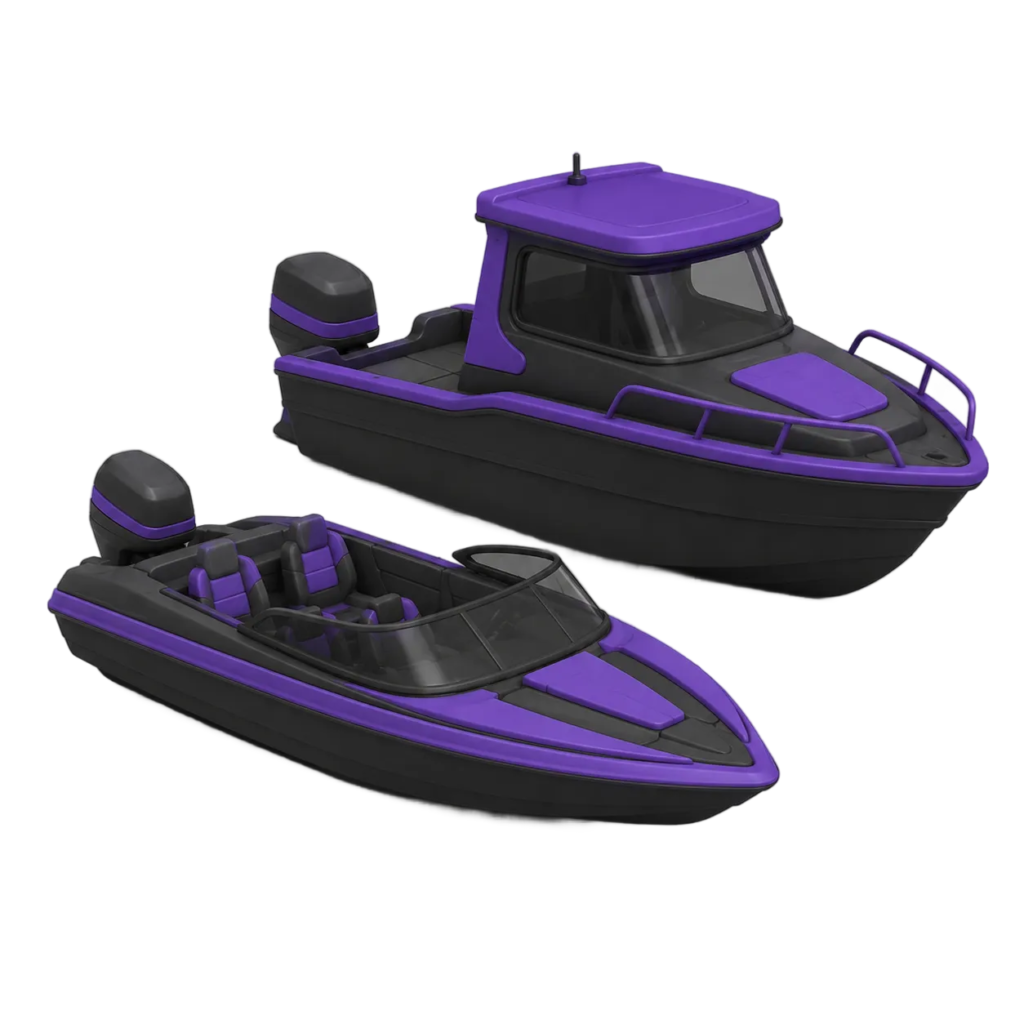
- Motorboats
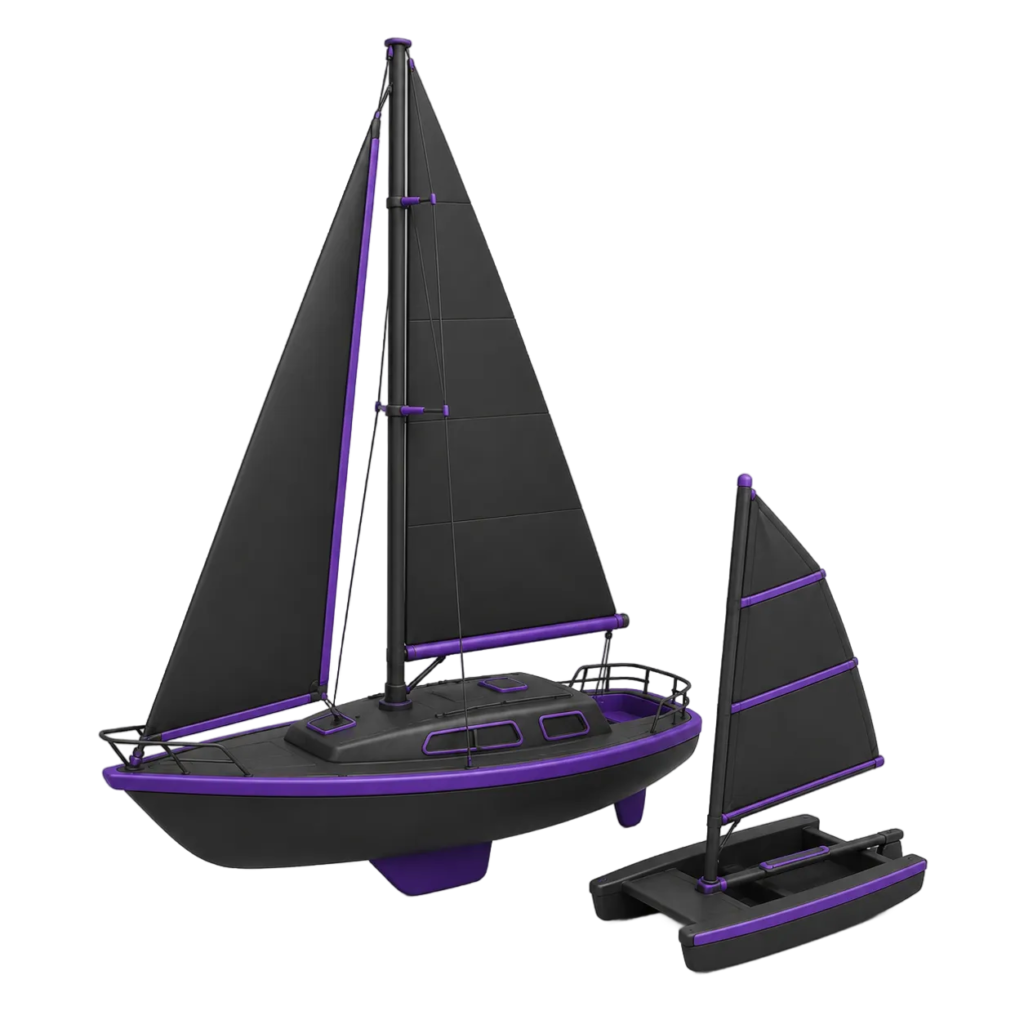
- Sailboats
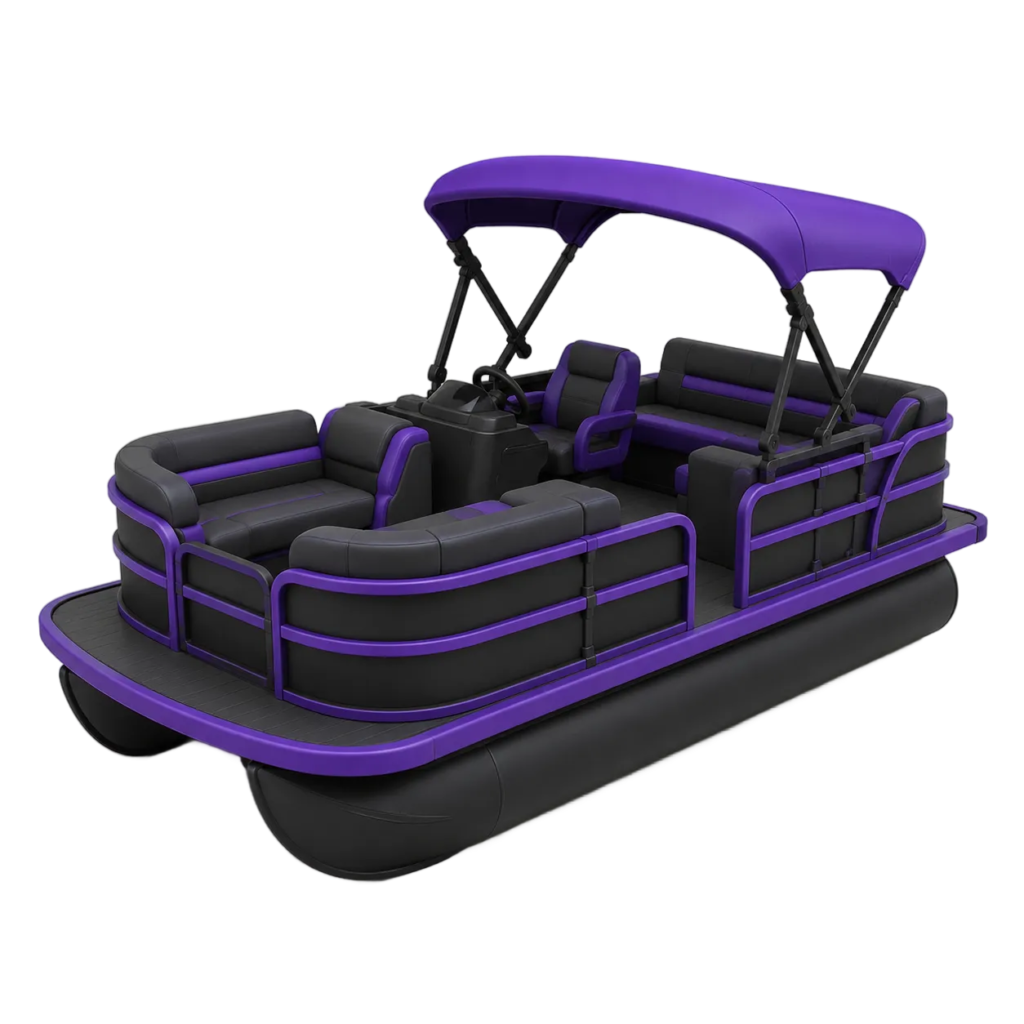
- Pontoon boats
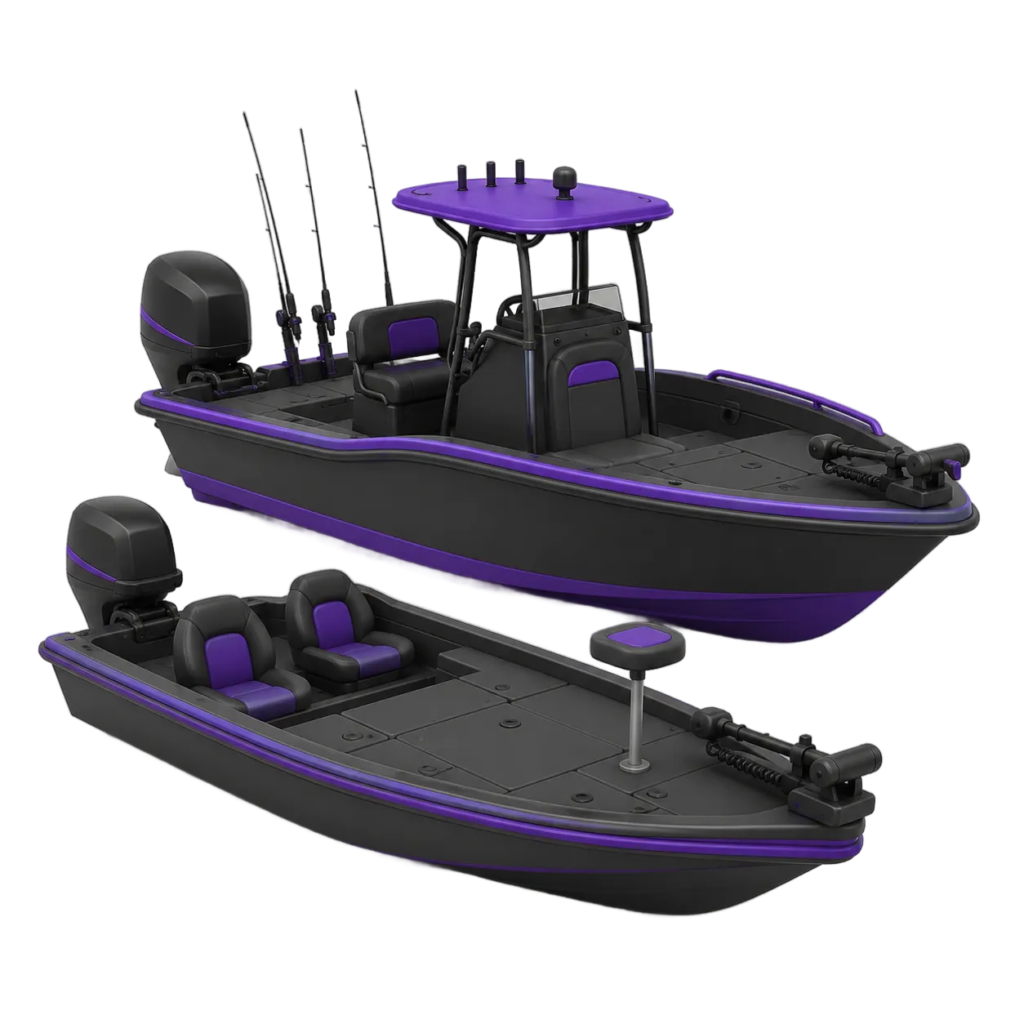
- Fishing boats
- Personal watercraft (jet skis and similar)

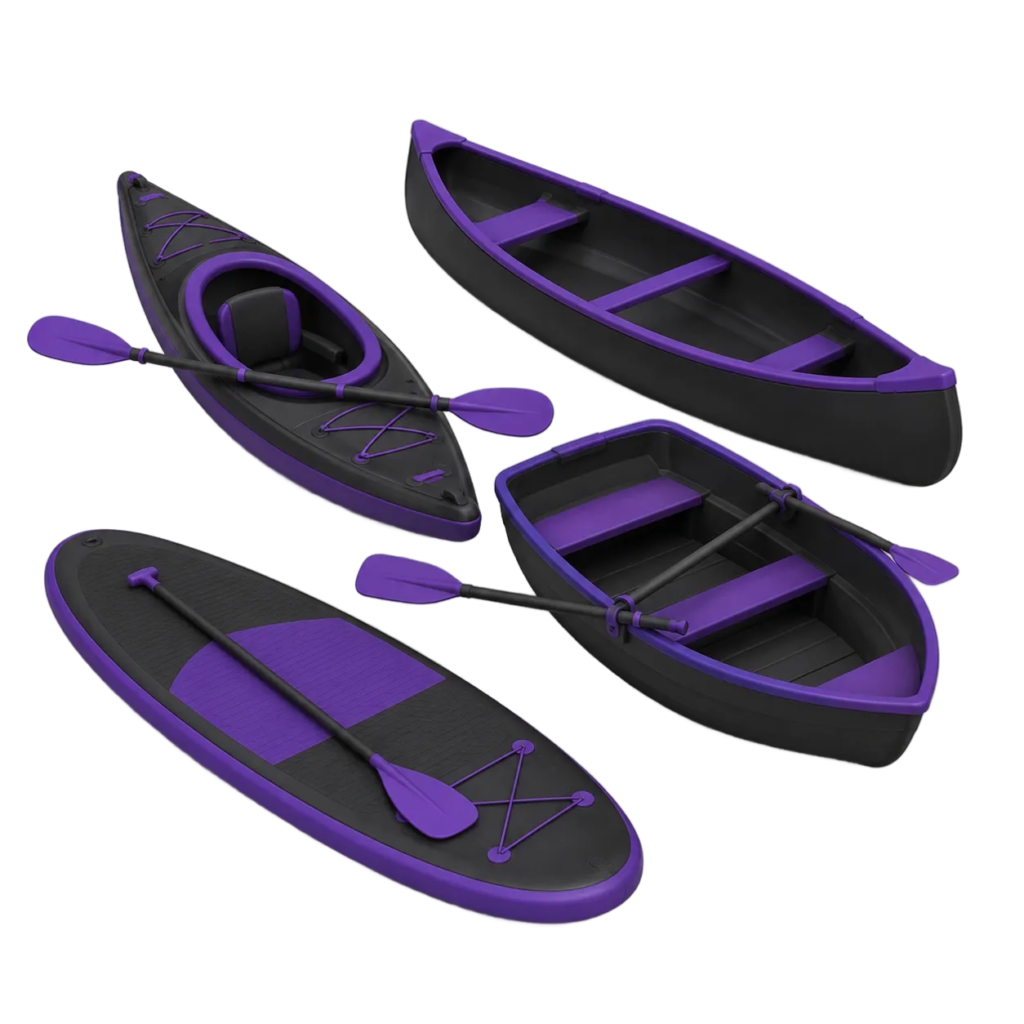
- Small watercraft — kayaks, canoes, rowboats, dinghies, paddle boats, and paddleboards
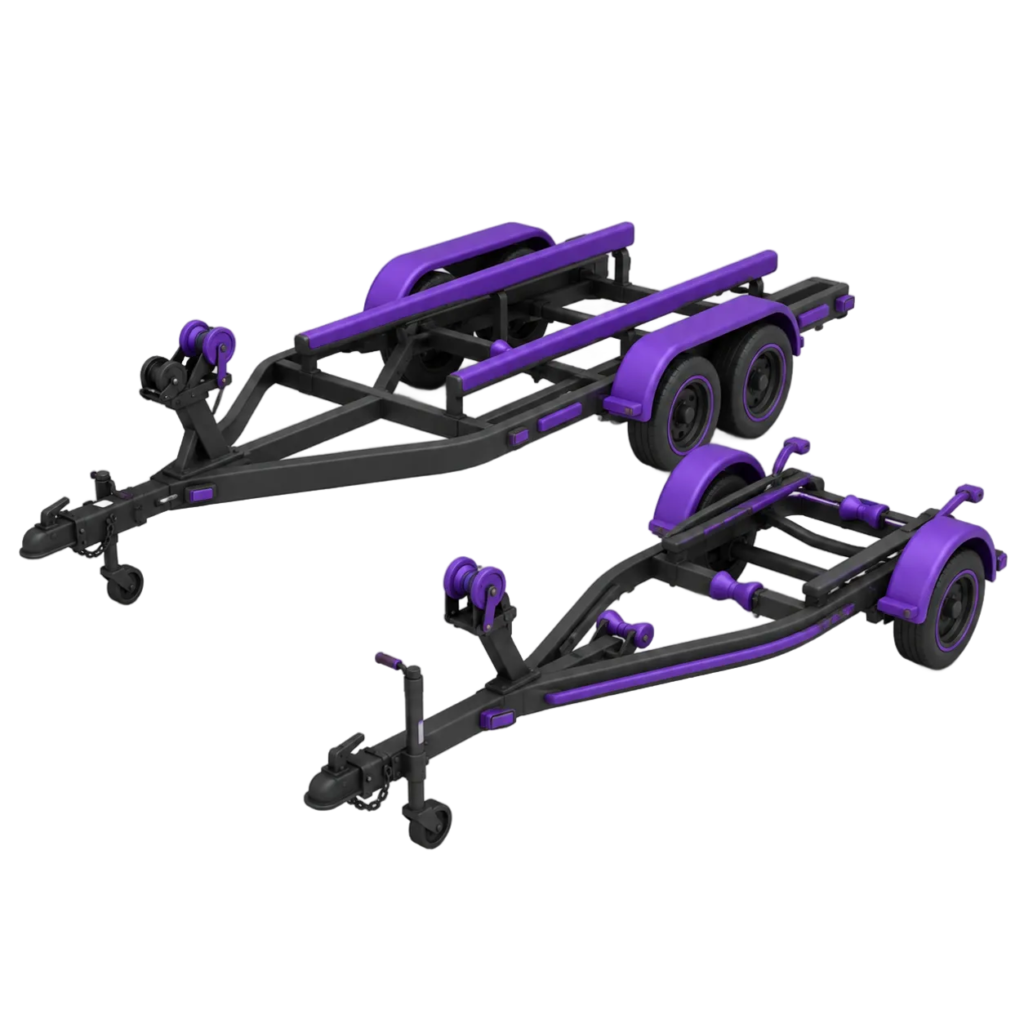
- Boat trailers
- Catamarans and multi-hull vessels
- Yachts and larger recreational boats (subject to additional job review)
Submerged boats, houseboats, boats over 40 feet, abandoned boats without clear ownership documentation, and vessels with unsafe access all require additional review before we can confirm scheduling. If your situation falls into one of these categories, call us directly so we can work through it with you.
Common Conditions
- Non-running or mechanically failed boats — engines seized, hulls compromised, or systems long abandoned
- Storm-damaged or flood-damaged vessels — structural damage, water intrusion, or deteriorated hulls
- Junk boat situations — neglected boats that have become an eyesore or a liability on a property
- Boats in restricted or difficult access locations — tight driveways, fenced yards, storage lots, or dock areas where standard removal requires planning
- Vessels without a trailer — boats stored on blocks, cradles, or directly on the ground
Our Photo-Based Estimate and Removal-Planning Process
There is no single boat removal process that fits every job, so we build a removal plan after reviewing the specifics of your situation. Here is how the process works from first contact through job completion.
- Submit your job details. Send the service address, photos of the boat from multiple angles, photos of the access path, the boat type and approximate length, current condition, trailer status, and any deadline or site rules. The more detail you provide, the more accurate the estimate we can return.
- We review and follow up. Our team reviews everything you've submitted. If we need additional photos, an on-site assessment, or clarification on access, we'll let you know. Any documentation or authorization requirements are identified at this stage, not assumed in advance.
- You receive a scope and estimate. Once we have enough information, we provide a job-specific quote that reflects the method, access requirements, and any situation-specific factors. Nothing is vague or hidden.
- We confirm the removal method and schedule. Based on the review, we select the appropriate removal approach — hauling the boat whole, towing it, or a complete on-site dismantle followed by hauling away the remaining ordinary debris. We schedule the job and collect a booking deposit to hold your spot.
- Crew arrives and completes the removal. A licensed and insured EZ Hauling crew — or a verified licensed and insured partner crew — arrives on schedule and executes the agreed plan. The remaining balance is collected only after the job is complete.
Same-day service or next-day scheduling may be available when the schedule and job conditions allow. We cannot guarantee a specific window in advance, but we will tell you what is realistic when you contact us.
Transparent Pricing and Deposit Terms
EZ Hauling uses starting prices based on boat type, with the final quote determined by length, motor type, access difficulty, trailer condition, whether dismantling is required, transport logistics, and disposal requirements. Below are the confirmed starting prices from our calculator.
- Small non-powered watercraft (kayaks, canoes, rowboats, dinghies, paddle boats, paddleboards)
- Starting at $850 flat
- Powered personal watercraft and sailing dinghies
- Starting at $1,200 flat
- Motorboats and sailboats
- $1,000 minimum — final estimate depends on length, motor type, access, trailer condition, any required on-site dismantling, transport, and disposal considerations
Booking Deposit and Balance
- Motorboats and small watercraft: 25% booking deposit
- Sailboats: 35% booking deposit
- The remaining balance is not collected until the job is complete.
Factors that can move the estimate above the starting price include boat length, the presence and condition of a trailer, the complexity of getting the boat out of its current location, whether the vessel needs to be dismantled on site before hauling, and what post-removal disposal routing is appropriate for that job. Send your photos and details for an accurate, job-specific quote rather than relying on the starting figures alone.
Access, Trailers, and Ownership or Authorization Review
Access is one of the most important factors in planning any removal. Before we can confirm a method or schedule, we need to understand how the boat is currently situated — whether it is on a trailer in a driveway, sitting in a backyard behind a fence, occupying a slip at a marina, or stored in a commercial facility. Each setting has different physical and sometimes administrative requirements.
Access Considerations
Tell us about gate widths, overhead clearance, surface conditions, whether a dock or ramp is involved, and any site rules that govern when or how a removal crew can enter. Restricted-access situations are common and manageable, but they must be understood before we commit to a plan. If access is unusually tight or the site rules are complex, an on-site assessment may be needed before we finalize the quote.
Trailer Condition
If your boat is on a trailer, its condition matters. A trailer that is road-legal simplifies transport. A trailer that is deteriorated, registered separately, or structurally compromised affects both the removal method and the overall scope. Tell us the trailer's status when you submit your request, and we'll factor it into the estimate.
Ownership and Authorization Review
Whether any ownership or authorization documentation is needed depends entirely on the individual job — the boat's situation, who holds the title, and the setting in which it is stored. Texas Parks and Wildlife publishes guidance on boat title, registration, ownership transfer, and related requirements, and those rules may be relevant to your job. However, we do not publish a universal document checklist because requirements vary. If your situation involves an estate, an abandoned vessel, a commercial property, or a marina with its own authorization process, you may need to speak with an EZ Hauling representative to sort out what applies before scheduling can proceed.

Job-Specific Removal Methods: Haul, Tow, or Dismantle
No single removal method applies to every boat. The approach we use is selected only after reviewing your photos, the boat's dimensions and condition, the access path, the trailer's status, and the setting. Here is what that can look like in practice.
Whole-Boat Hauling
When access allows and the boat is structurally sound enough to transport intact, we may haul the vessel whole. This is often the most straightforward path when a trailer is in usable condition and there is adequate clearance to get equipment in and out.
Towing
In some cases, tow removal is the right approach — particularly for boats that are still on a serviceable trailer and positioned where a tow vehicle can reach them safely.
On-Site Dismantling Followed by Debris Hauling
When a boat cannot be transported whole — because of its size, its condition, its location, or access constraints — a crew may completely dismantle it on site. The remaining ordinary debris is then hauled away. This approach does not require the boat to leave in one piece and is often the practical solution for heavily damaged or inaccessible vessels.
Off-Site Routing for Salvage, Recycling, or Disposal
When it is appropriate for the specific job, off-site routing for salvage, recycling, or responsible disposal may be part of the plan. This is not mandatory for every removal. Facility acceptance and the applicable procedure must be confirmed during the estimate process — we do not assume a particular facility will accept a particular vessel without verification. If eco-friendly material handling or recycling is a priority for you, mention it when you submit your request so we can address it directly.
Fuel, Oil, Batteries, and Hazardous Materials
Fuel, oil, batteries, and similar materials require separate assessment and coordination. Do not assume these are automatically included in a standard removal quote. If your boat contains hazardous materials, note that in your initial submission so we can address it during the review.

Serving Houston and the Surrounding Fort Bend County Area
EZ Hauling Services covers Houston, TX and the broader Fort Bend County area. Houston is a major city with a large and active boating community, and boat removal needs in this region range from residential driveways and backyards to commercial storage facilities, marina slip clearances, and dock-adjacent properties. The waterways and coastal proximity that make boating popular in this part of Texas also mean that boats here face real exposure to heat, humidity, storm damage, and flooding — all of which accelerate deterioration and drive removal needs.
Whether you are removing a junk boat from a residential property in the city, clearing a non-running vessel from a storage lot across Fort Bend County, or coordinating a removal with a commercial marina, the process starts the same way: send photos, address, boat details, and access notes so we can build a plan specific to your location and situation. We are not a local office — we are a licensed and insured hauler dispatching experienced crews to customers in Houston and the surrounding area. Facility acceptance, county-specific disposal procedures, and any permits required will be confirmed during the estimate process, not assumed.
EZ Hauling Services is fully licensed and insured. Partner crews used for jobs in this area are verified as licensed and insured as well. You get reliable removal service backed by consistent professional standards, whether the crew dispatched is direct EZ Hauling staff or a verified partner.

Nearby Service Areas
Boat Removal Near Houston
Frequently Asked Questions
What information do I need to submit to get a quote?
Send the service address, clear photos of the boat from multiple angles and of the access path, the boat type and approximate length, its current condition, the trailer's status, and any site rules or deadline information. This gives our team enough to assess the job and return a meaningful estimate. If we need anything else — additional photos or an on-site visit — we will let you know after the initial review.
How quickly can a removal be scheduled?
Same-day or next-day service is sometimes possible when our schedule and the job conditions allow, but it is not guaranteed. The honest answer is that timing depends on current availability and the complexity of your specific removal. Contact us and we will tell you what is realistic based on your location and situation.
Does my boat need to be running or on a trailer to qualify for removal?
No. We regularly review non-running, damaged, and junk boat situations for removal. Whether it is on a trailer, sitting on blocks in a backyard, or parked in a storage lot, what matters is access and condition — both of which we assess before committing to a removal plan. Heavily deteriorated boats may be candidates for on-site dismantling rather than whole-boat transport, which is determined after the photo review.
Will I need to provide ownership or authorization documents?
It depends on the job. Documentation needs vary based on the boat's situation, the setting, and who holds the title. Texas has state-level guidance on boat title, registration, and ownership transfer that may be relevant. We do not publish a universal checklist because requirements are not universal. If your situation is complicated — an estate, an abandoned vessel, or a commercially managed property — you may need to speak with an EZ Hauling representative before scheduling can move forward.
What happens to the boat after removal?
That depends on the boat. Some vessels are transported intact; others are dismantled on site and the debris is hauled away as ordinary material. When appropriate for a specific job, off-site routing for salvage, recycling, or responsible disposal may be used. We do not promise a single outcome — recycling, salvage value, or zero-landfill results — because not every boat qualifies and facility acceptance must be confirmed case by case. We determine the right post-removal path during the job review and estimate process.
Are there boat types or situations that need extra review before scheduling?
Yes. Submerged boats, houseboats, yachts or vessels over 40 feet, abandoned boats with unclear ownership, and any removal involving unsafe access require additional review before we schedule. Fuel, oil, and battery removal also requires separate assessment. Contact us with as much detail as possible and we will let you know what additional steps are needed before we can move forward.
Request Your Boat Removal Estimate Today
If you have an old, damaged, or unwanted boat taking up space in Houston, TX or across Fort Bend County, the next step is straightforward: send us the details and let us put together a job-specific removal plan. No universal quote, no guesswork — just a practical scope based on your actual boat, location, and access situation.
Request a boat removal quote online or call us directly at (888) 401-7041. Provide your address, photos, boat type and length, condition, trailer status, and any relevant site notes, and we'll take it from there.