Professional Boat Removal Services in Joliet, IL
EZ Hauling Services provides boat removal in Joliet, IL for boat owners, property managers, marina and storage managers, estate representatives, and businesses that need an old, damaged, non-running, or unwanted vessel cleared from a driveway, backyard, dock, storage lot, or any other site. To get started, send your address, clear photos of the boat and the access path, the boat type and approximate length, its current condition, trailer status, and any relevant site rules or deadline — our team reviews that information and provides a job-specific estimate before scheduling anything.

Boat Conditions and Types We Review for Removal
Our boat removal services include a wide range of watercraft in varying states of condition. Whether a vessel has been sitting in a yard for years or recently sustained damage, the starting point is always a job review based on photos and details you provide.
Boat Types Reviewed
- Motorboats and bowriders
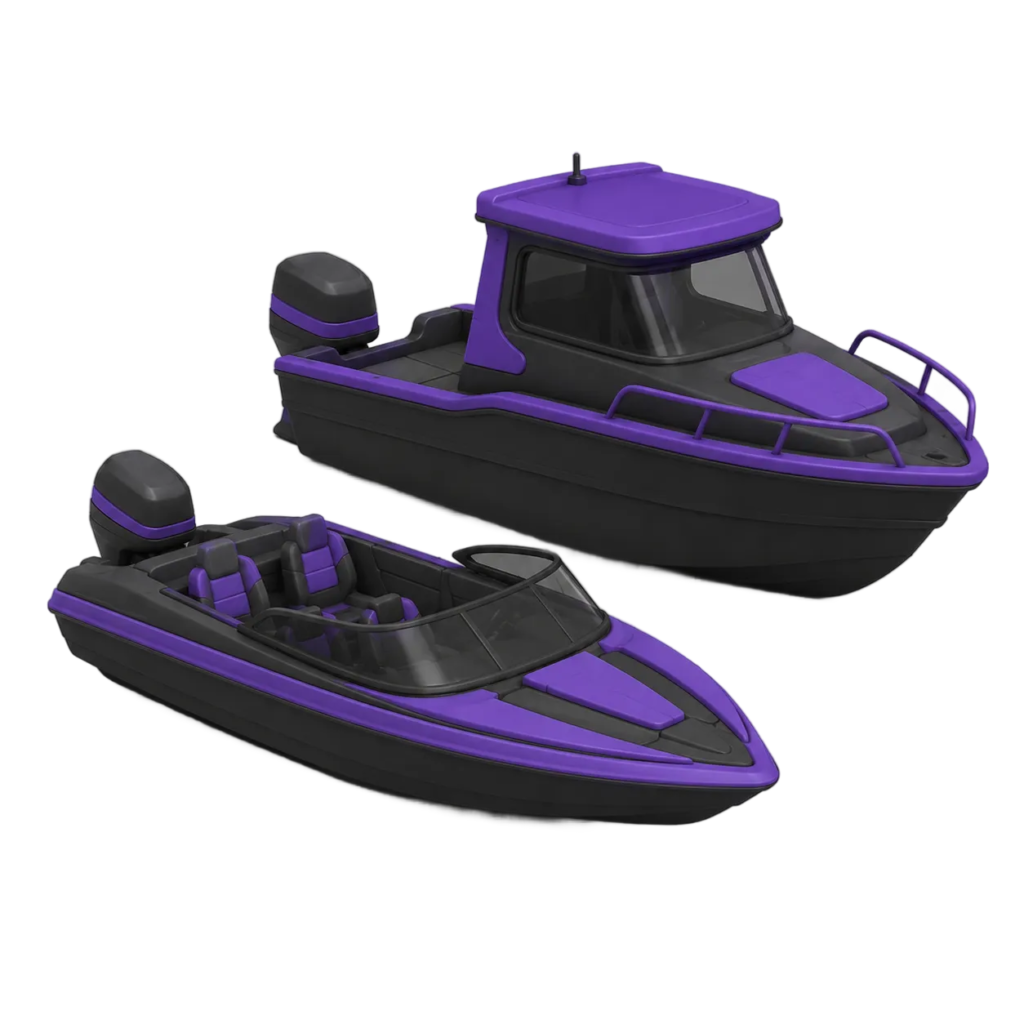
- Sailboats and sailing dinghies
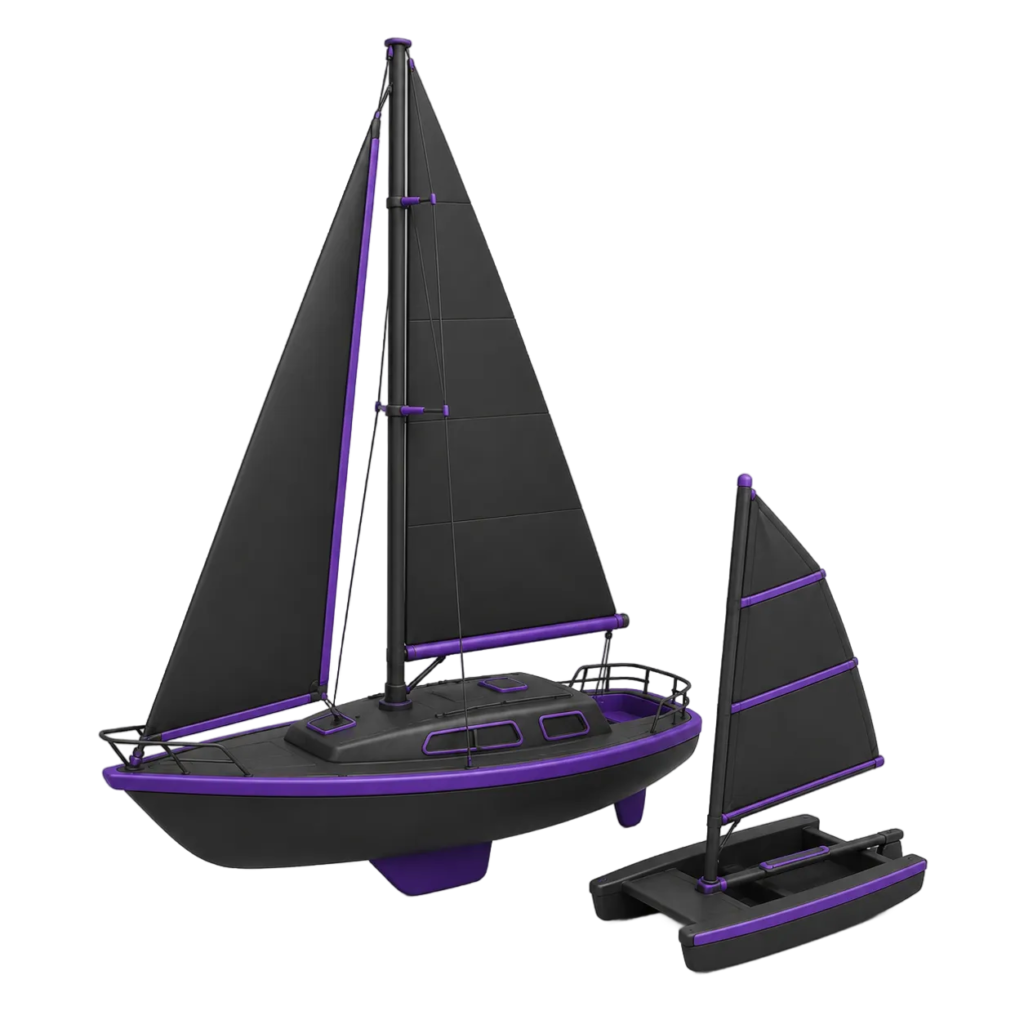
- Pontoon boats
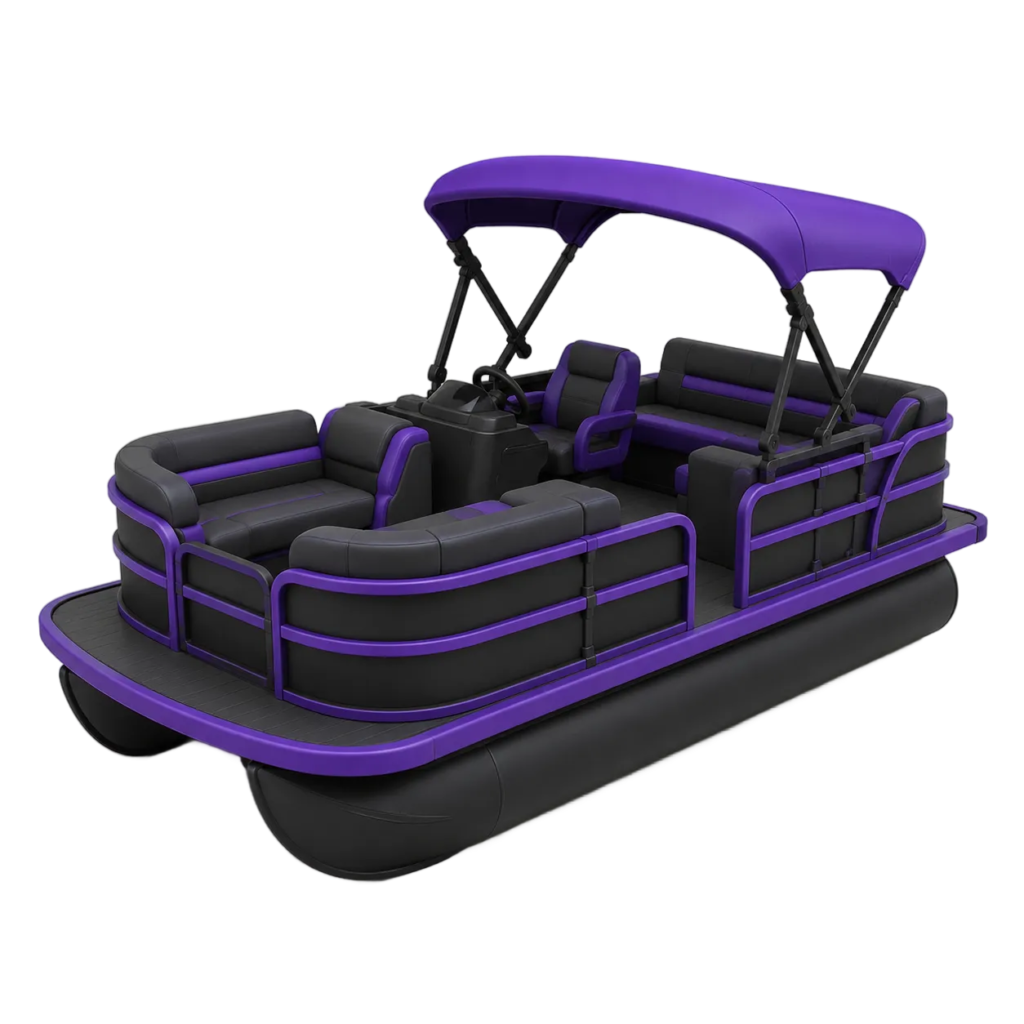
- Fishing boats
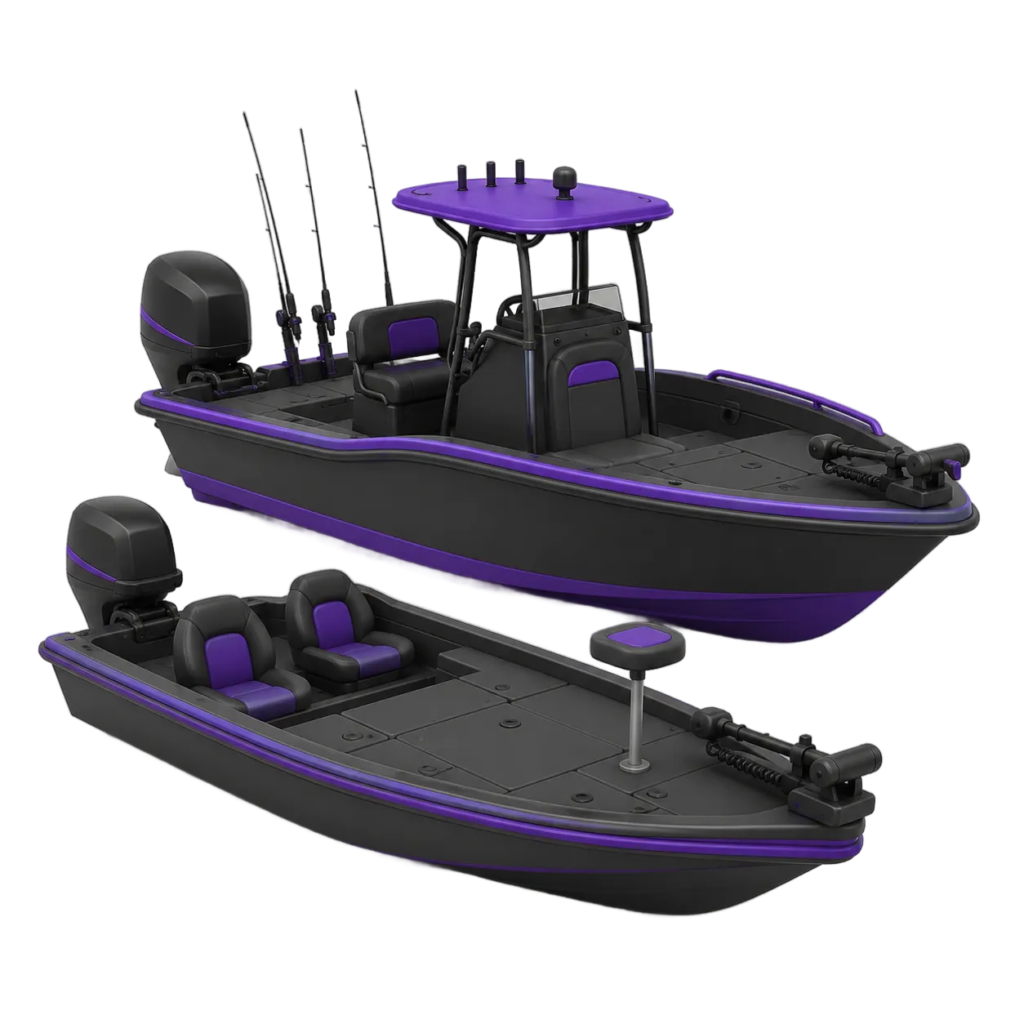
- Personal watercraft (jet skis and similar)

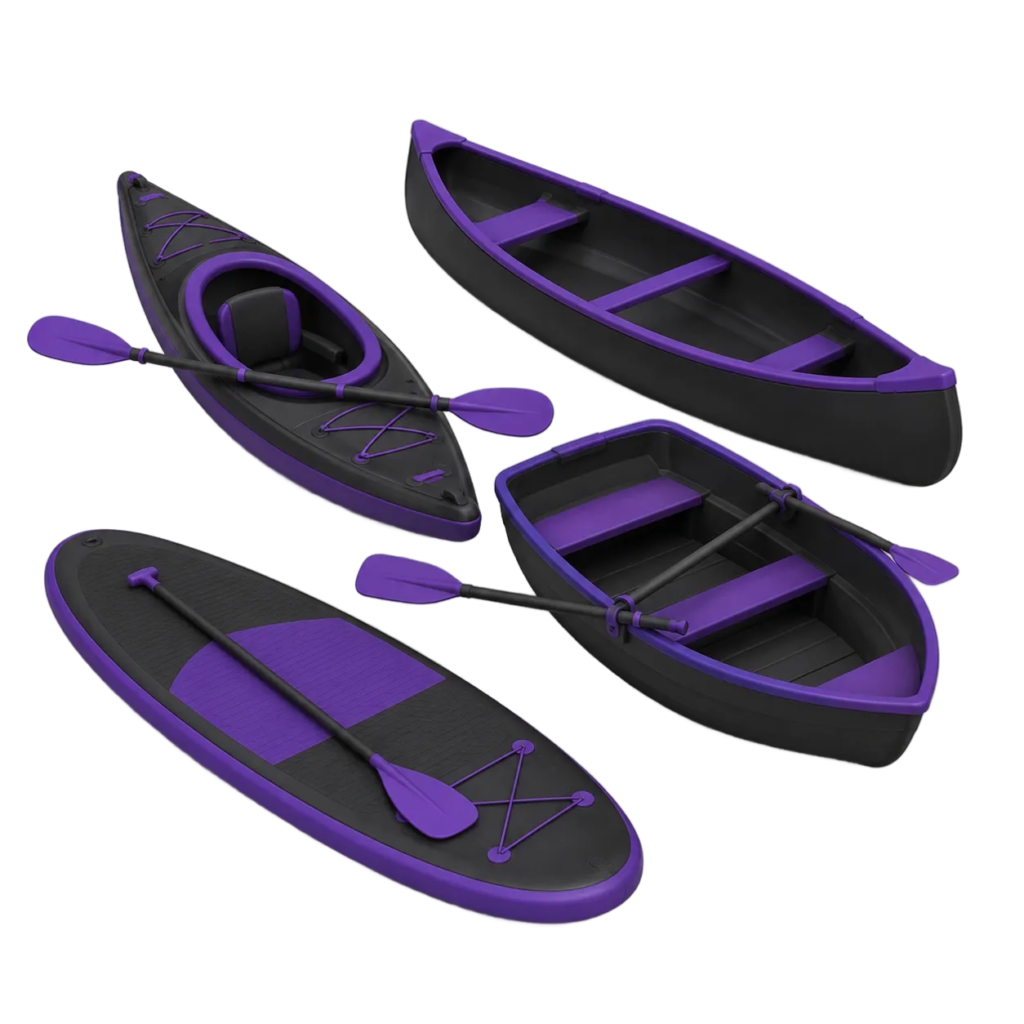
- Small watercraft including kayaks, canoes, rowboats, dinghies, and paddleboats
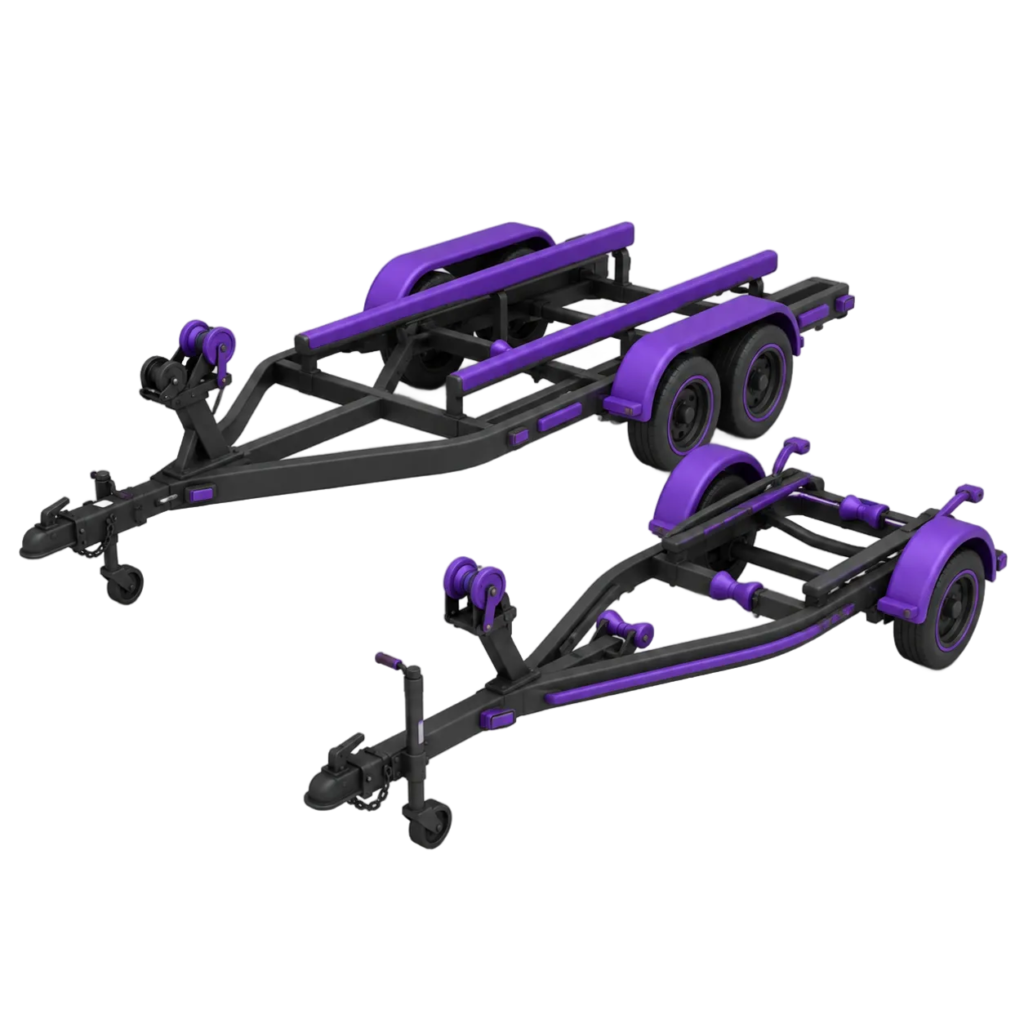
- Boat trailers
- Catamarans and other multi-hull configurations
- Yachts and larger vessels (subject to additional review)
Submerged boats, houseboats, vessels over 40 feet, and situations with unsafe or restricted access require additional review before we can confirm scheduling. If your situation is unusual, the most direct path is to speak with an EZ Hauling representative before submitting photos.
Common Conditions
- Non-running or mechanically inoperable boats
- Storm-damaged or structurally compromised hulls
- Boats with rot, corrosion, or extensive fiberglass damage
- Vessels left on a trailer that may itself be in poor condition
- Junk boat situations where the hull has deteriorated significantly
- Boats with no functional trailer, resting on blocks, cradles, or bare ground
- Abandoned boats on commercial or residential property
The Photo-Based Estimate and Removal-Planning Process
Our boat removal process starts with information, not assumptions. Before any crew is dispatched or any method is chosen, we review what you send us and build a removal plan that fits the actual job.
- Submit your details. Send the service address, photos of the boat from multiple angles, photos of the access path, the boat type, approximate length, engine or motor type if applicable, trailer condition, and any access limitations or site rules. Include your deadline if one applies.
- Job review. Our team evaluates the photos, the boat's condition, and the access situation. If we need additional information — or if an on-site assessment makes more sense — we will tell you before providing a quote.
- Estimate and removal plan. We provide a scope and estimate that reflects the specific boat, its location, and the method required. Any documentation or authorization review is identified at this stage, not after you book.
- Schedule and execute. Once the plan is confirmed and the booking deposit is collected, we schedule the job. Same-day or next-day service may be available when scheduling and job conditions allow; it is not something we can promise in advance.
This procedure keeps the job transparent from the start. No surprise scope changes, no method selected before the facts are in.
Pricing, Deposit, and Factors That Affect Your Quote
Our pricing is job-specific. The information below gives you a reliable starting point; the final quote depends on the details of your individual removal.
Starting Prices
- Small non-powered watercraft (kayaks, canoes, rowboats, dinghies, paddleboats, paddleboards)
- Starting at $850 flat
- Powered personal watercraft and sailing dinghies
- Starting at $1,200 flat
- Motorboats and sailboats
- $1,000 minimum — the final estimate depends on length, motor type, access, trailer condition, the removal method required, transport, and disposal requirements
Booking Deposits
- Motorboats and small watercraft: 25% deposit due at booking
- Sailboats: 35% deposit due at booking
- The remaining balance is not collected until the job is complete
Factors That Can Change the Estimate
- Boat length and overall size
- Motor type and fuel system condition (fuel, oil, and battery assessment is handled separately and must be confirmed during the job review)
- Trailer condition — whether it is functional, seized, or missing entirely
- Access: a clear driveway haul differs significantly from a tight marina slip or a backyard with no gate
- Whether the job requires whole-boat transport, towing, or complete on-site dismantling followed by hauling away the remaining ordinary debris
- Off-site routing requirements, which apply only when appropriate for the specific job
- Any authorization or documentation review identified during the estimate process
We do not publish a universal rate card because no two removal jobs are identical. Send your photos and details to get an accurate, job-specific quote rather than an estimate built on averages. The cost of your removal depends on what we actually see.
Access, Trailer Condition, and Ownership or Authorization Review
Access is one of the most important factors in planning any boat removal. A boat parked on an open driveway with a working trailer is a straightforward haul. A vessel blocked by fencing, parked in a narrow storage facility corridor, or resting in a marina slip with specific dock rules requires careful coordination before we arrive.
When you submit your estimate request, describe the access path honestly: gate widths, overhead clearances, surface type, and any restrictions the property or marina has placed on removal work. That information directly shapes the plan.
Trailer Status
Tell us whether a trailer is present, whether it rolls, and whether the tires hold air. A functional trailer can expand the available removal options. A trailer in poor condition may affect timing and method selection. Either way, we factor trailer condition into the job review before providing a quote.
Ownership and Authorization
Documentation needs vary by job, by situation, and by the specific circumstances surrounding each vessel. Illinois DNR reviews watercraft title and registration transactions case by case and requires supporting ownership records, but what those records look like for your removal — and whether any authorization is needed at the property or marina level — depends on the individual job review. We do not publish a universal document checklist because no single list applies to every situation. If you are unsure what applies to your job, the right move is to discuss the situation with an EZ Hauling representative before the estimate is finalized.
Estate representatives and businesses clearing a property under deadline should share that context upfront. Authorization or documentation needs identified later can affect scheduling, so surfacing them early protects the project timeline.

Job-Specific Removal Methods and Responsible Disposal
There is no single mandatory removal workflow for every boat. The method we use is selected after reviewing your photos, the boat's condition and dimensions, access, and any site-specific constraints. Here is what that can look like in practice.
Whole-Boat Hauling or Towing
When the vessel is structurally intact and access allows, we may transport the boat whole — either towing it on its trailer or loading it for transport. This is common for motorboats and sailboats that are non-running but otherwise in one piece.
Complete On-Site Dismantling
When a boat cannot be hauled or towed as a unit — because of access restrictions, structural condition, or site constraints — the crew may dismantle it completely on site. The remaining ordinary debris is then hauled away. This is a legitimate and often practical outcome; it does not require a specialized facility, and it is not a lesser service. For some junk boat situations, it is simply the right approach.
Off-Site Salvage, Recycling, or Disposal Routing
Off-site routing to an appropriate facility — for material recycling, salvage, or proper disposal — is used when it fits the job. It is not a universal outcome. Whether recycling or salvage is appropriate, and which facility accepts the specific materials, must be confirmed during the estimate process. We do not promise a zero-landfill outcome or a specific environmental result for every removal.
Hazardous Materials
Fuel, oil, batteries, and other hazardous materials on or in a vessel require a separate assessment. We do not offer unconditional hazardous-material handling. If your boat has significant fuel or fluid aboard, include that in your initial submission so we can address it during the review.

Serving Joliet and All of Kendall County, IL
EZ Hauling Services handles boat removal throughout Joliet and across Kendall County. Customers in Joliet — whether they are boat owners with a vessel parked on a residential property, commercial storage operators, marina managers, or estate representatives — can request a job-specific estimate for removal from any accessible location in the city or the surrounding area.
Joliet sits within the broader Illinois waterway corridor, and the region's mix of residential neighborhoods, storage facilities, and waterfront properties produces a range of removal scenarios. The specifics of each job — site, boat type, access, and condition — drive the plan. We are familiar with working in diverse property settings throughout Joliet and nearby communities across Kendall County, IL.
Because no county-specific disposal facility acceptance, local permit requirements, or marina-specific policies were verified for this area, any facility or authorization requirements that apply to your job will be confirmed during the estimate conversation rather than assumed in advance. If requirements are unclear at any point, speak directly with an EZ Hauling representative.
Our crew is licensed and insured, and any partner crews used to fulfill a covered job are verified as licensed and insured as well. Serving Joliet and the surrounding communities is part of our confirmed service area — subject to address confirmation, access, and job review.

Nearby Service Areas
Boat Removal Near Joliet
Frequently Asked Questions
What information do I need to request a boat removal estimate?
Send the service address, clear photos of the boat and the access path, the boat type and approximate length, condition notes, trailer status (present and functional, present but non-functional, or absent), and any relevant site rules or deadline. That set of details allows us to build a meaningful estimate. If anything is missing, we will ask before providing a quote.
Can you remove a boat that doesn't run or is badly damaged?
Yes. Non-running and damaged boats are among the most common removal requests we receive. The boat's condition affects the method — a severely deteriorated hull may be a candidate for complete on-site dismantling rather than whole-boat transport — but damage or inoperability alone does not disqualify a job. Send photos and let the review determine the plan.
How quickly can a removal be scheduled?
Same-day or next-day service may be available when scheduling and job conditions allow. It is not something we can promise in advance, because the method, access, and any documentation review all affect the timeline. Share your deadline upfront so we can account for it during the estimate and scheduling process.
Will I need to provide ownership or authorization documents?
Documentation needs vary by job. Illinois DNR reviews watercraft title and registration matters on a case-by-case basis, and authorization requirements at the property or marina level depend on individual circumstances. We do not publish a universal checklist. If your situation is straightforward, document review may be minimal. If it is complex — an estate, an abandoned vessel, or a marina with specific rules — you may need to speak with an EZ Hauling representative to work through what applies before we finalize the estimate.
What happens to the boat after removal?
The off-site routing depends on what is appropriate for the specific job. Some boats are transported whole for salvage or further processing. Others are completely dismantled on site and the remaining ordinary debris is hauled away as standard material. Recycling is used when it fits the situation. We do not promise a specific environmental outcome or that every vessel goes to a specialized recycling or disposal facility. What is appropriate for your boat will be part of the removal plan we discuss before scheduling.
Does the removal method change based on the boat or location?
Yes, and that is by design. A motorboat on a functional trailer in an open driveway and a junk boat resting on blocks in a fenced backyard call for different approaches. We may tow, haul whole, or dismantle on site — the procedure is selected after reviewing your specific boat, access, and condition. No single removal method applies to every job, and we will not commit to a method before the review is complete.
Request Your Boat Removal Estimate Today
If you have an old, damaged, non-running, or unwanted boat in Joliet, IL that needs to go, the next step is simple: submit your details and get a job-specific quote. EZ Hauling Services is licensed, insured, and ready to handle the heavy lifting — from the initial review through final removal.
Send your address, photos, boat type and length, condition, trailer status, and access notes. If you have questions or your situation requires a conversation before you submit, call us directly at (888) 401-7041.