Professional Boat Removal Services in St. Louis
EZ Hauling Services provides boat removal in St. Louis, MO for boat owners, property managers, marina and storage managers, estate representatives, and businesses that need an unwanted, damaged, or non-running vessel cleared from a property—send your address, photos, boat type, approximate length, condition, trailer status, and any access notes to request a job-specific estimate or call (888) 401-7041.

Boat Types and Conditions We Review for Removal
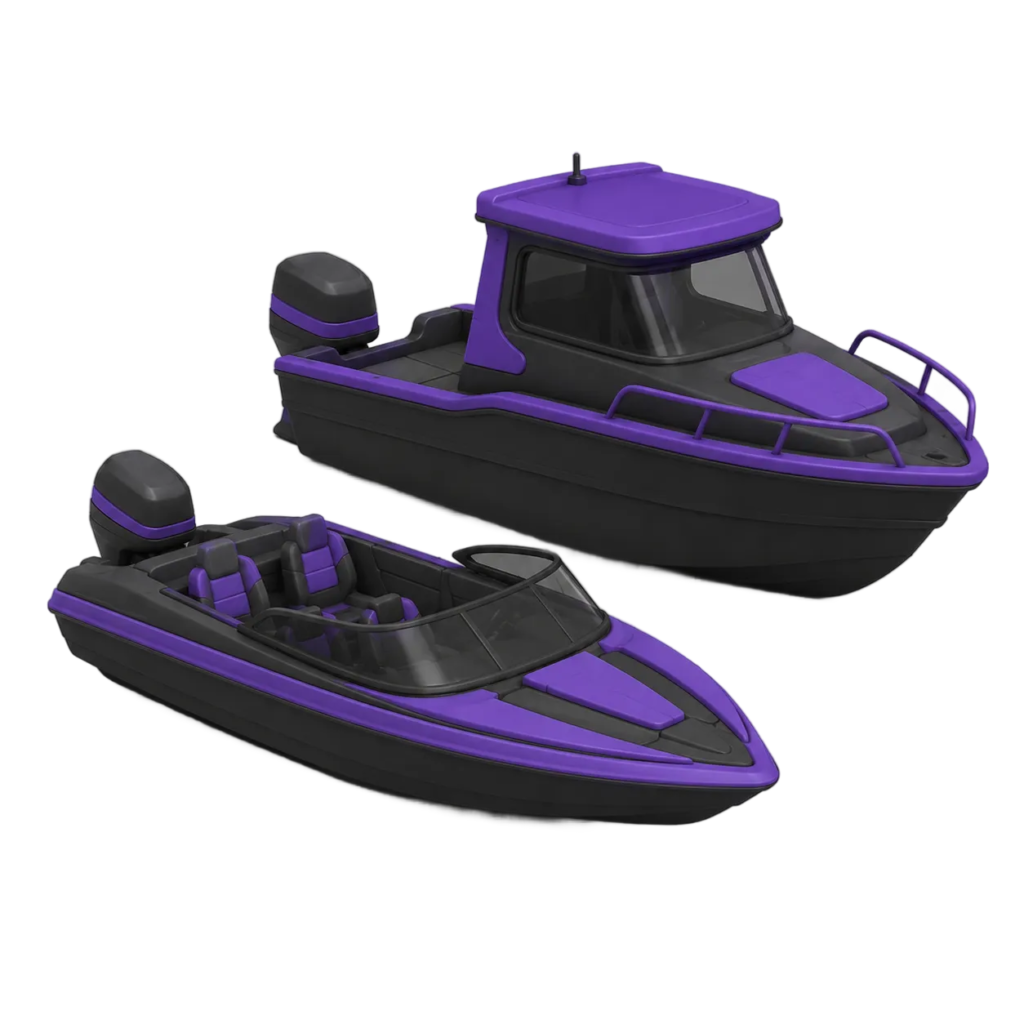
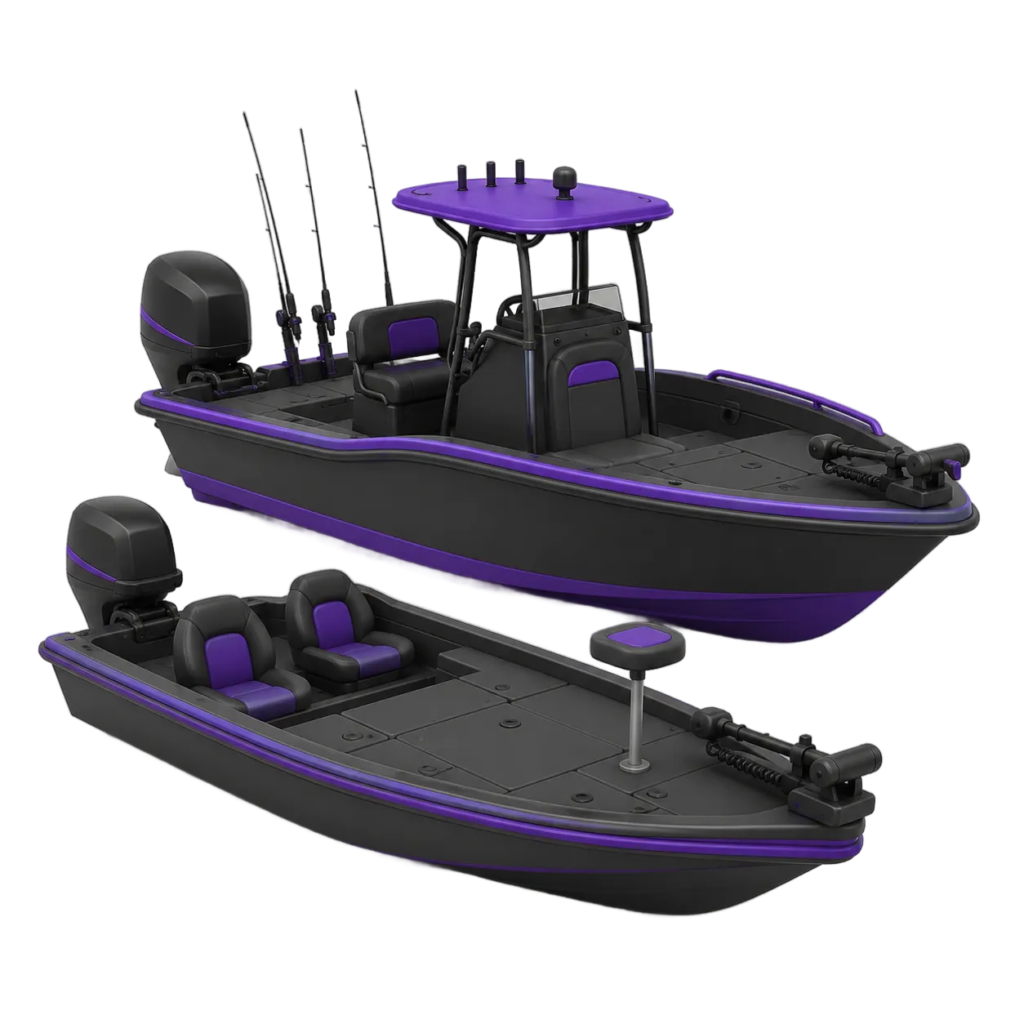
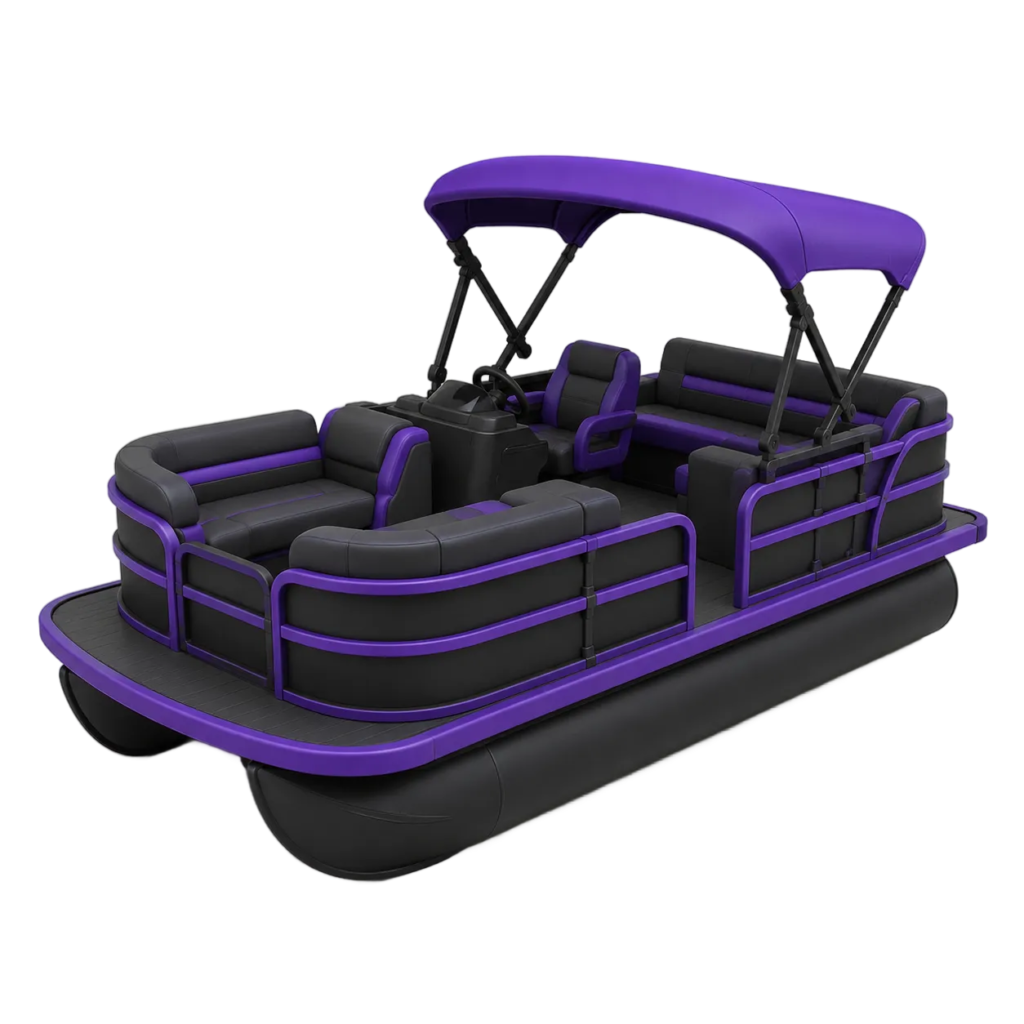
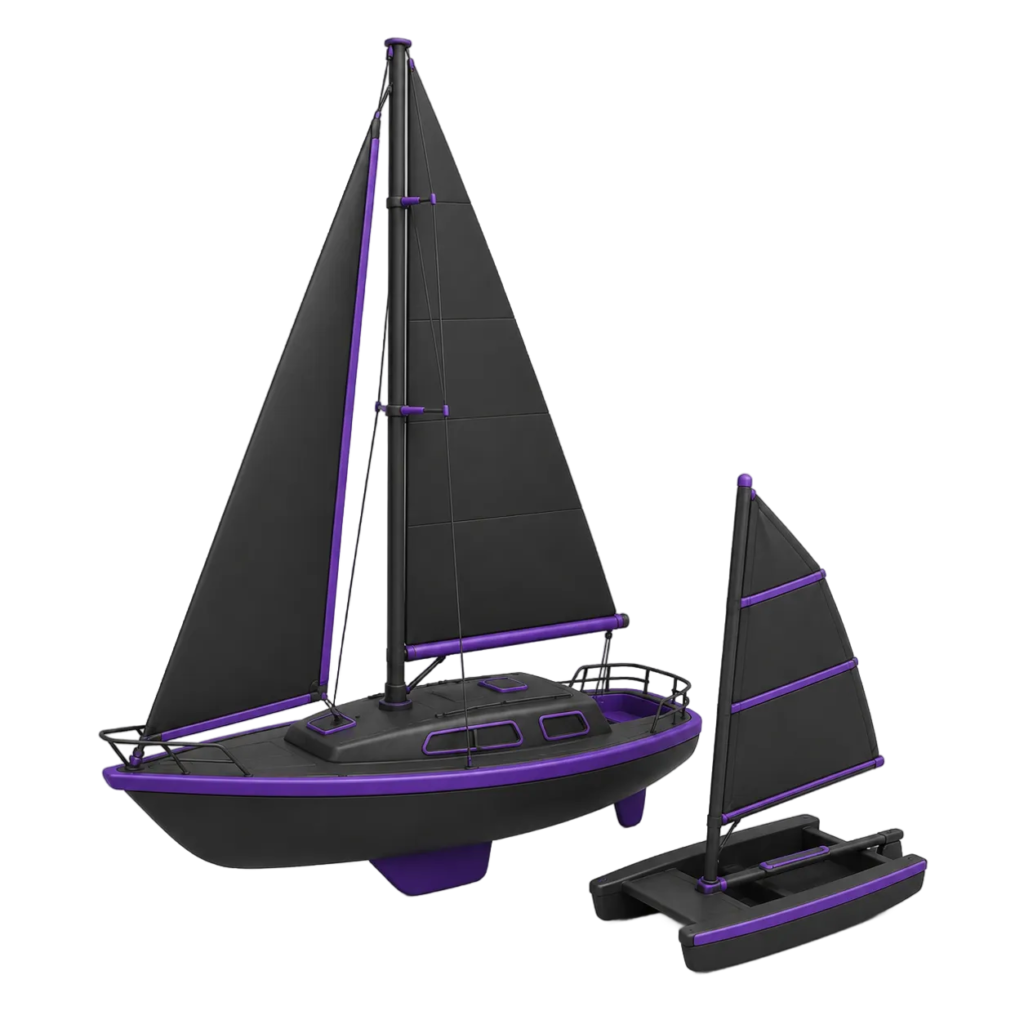
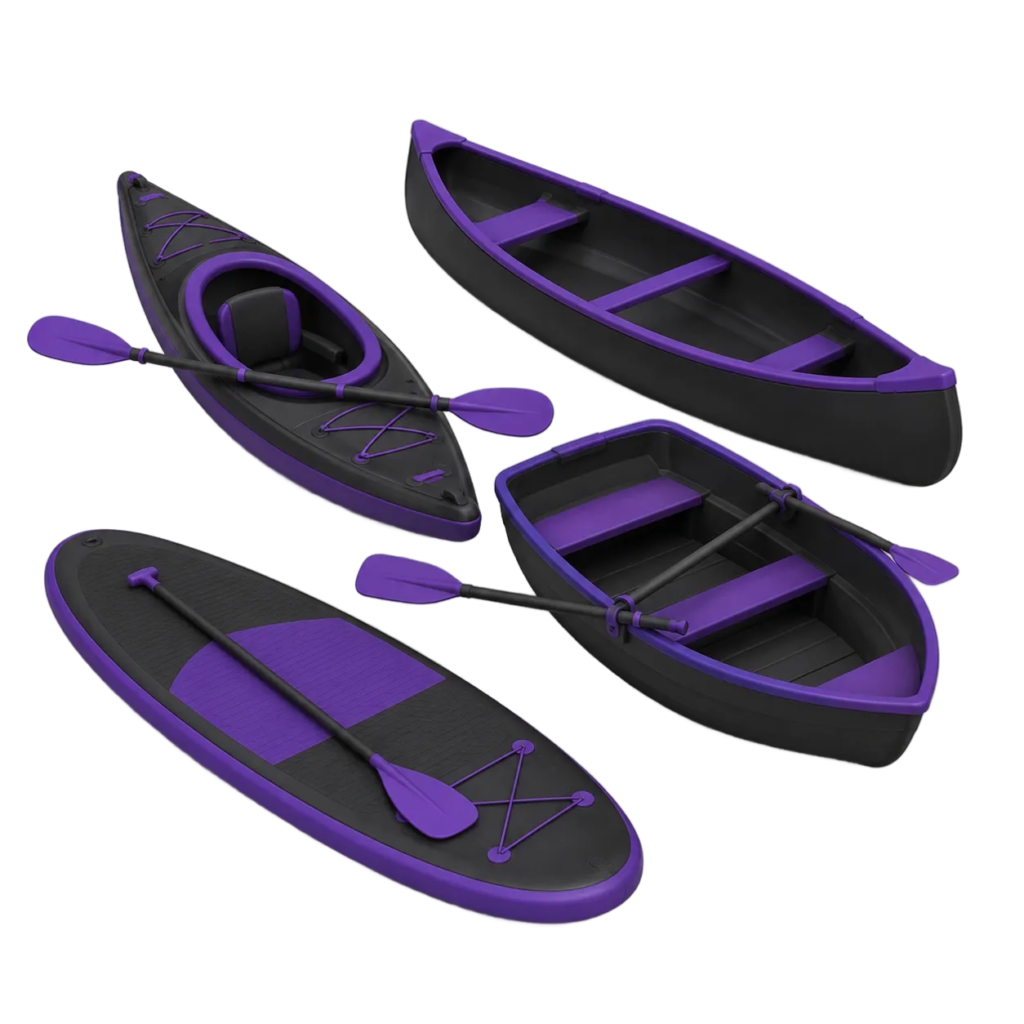

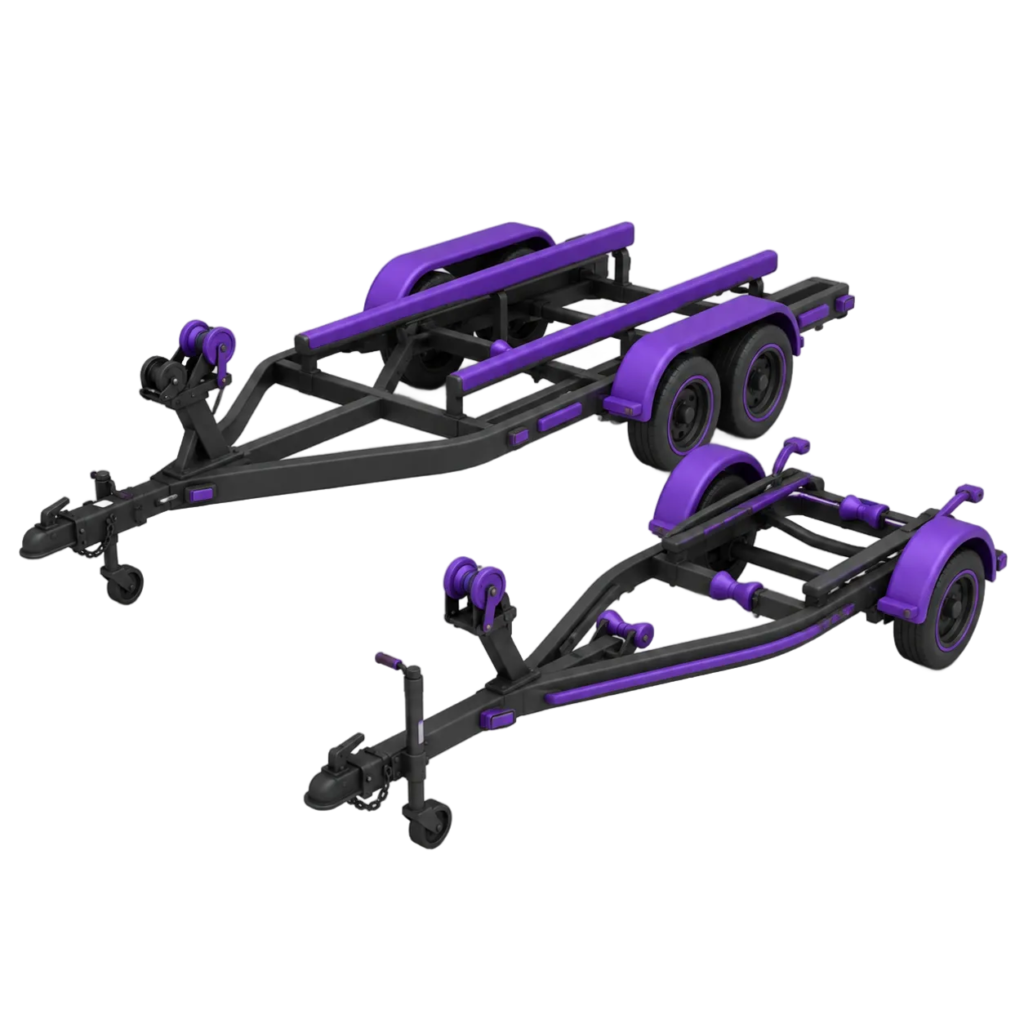
Our boat removal services include motorboats, sailboats, pontoons, fishing boats, personal watercraft, small watercraft, and boat trailers. We also review catamarans and yachts on a case-by-case basis. Whether your vessel is weathered, damaged, non-running, or simply taking up valuable space on a driveway, in a backyard, at a dock, or on a storage lot, we can evaluate what removal involves and give you a clear plan before any work begins.
Common conditions that lead owners and property managers to request removal include hull damage, engine failure, rot or delamination, flood or fire damage, expired registrations, and vessels left behind during estate settlements or property turnovers. A junk boat sitting on a trailer in a yard raises the same practical question as one occupying a marina slip: what does removal actually take, and what will it cost? Those answers depend on the specifics of each job, and that is exactly what the estimate process is designed to work out.
Situations that require additional review before we can schedule include submerged boats, houseboats, boats over 40 feet, abandoned boats where ownership is unclear, and vessels with unsafe access conditions. If your situation falls into any of these categories, bring it up when you contact us so the review can address it directly.
The Photo-Based Estimate and Removal-Planning Process
Every removal starts with information, not assumptions. Here is how the boat removal process works from first contact to scheduled service.
- Submit your details. Send the service address, clear photos of the boat from multiple angles, the boat type and approximate length, current condition, trailer status, and any site rules or deadline constraints. Photos of the access path are especially useful—a narrow gate, low overhead clearance, soft ground, or a steep ramp all affect how the job is planned.
- Job review. We assess the photos and details to determine which removal method is appropriate, whether an on-site assessment is needed, and whether any documentation or authorization review applies to your situation. If requirements are unclear at that stage, we will ask follow-up questions or flag items to discuss before finalizing the scope.
- Scope and estimate. Once the review is complete, we provide a written scope and quote before anything is scheduled. You will know the approach and the price before a crew arrives.
- Schedule service. When the estimate is accepted and the deposit is collected, we schedule the removal. Same-day or next-day service may be available when the schedule and job conditions allow, though it is not guaranteed.
- Removal and completion. The approved method is carried out on the scheduled date. The remaining balance is collected only after the job is complete.
This procedure keeps every customer in St. Louis city informed at each step rather than discovering complications after a crew has already arrived.
Transparent Pricing and Deposit Terms
Our pricing is job-specific, but published starting prices give you a realistic baseline before you request a quote.
- Small non-powered watercraft (kayaks, canoes, rowboats, dinghies, paddle boats, paddleboards)
- Starting at $850 flat. A 25% booking deposit is collected at scheduling; the balance is due at completion.
- Powered personal watercraft and sailing dinghies
- Starting at $1,200 flat. A 25% deposit applies at scheduling.
- Motorboats and sailboats
- A $1,000 minimum applies. The final estimate depends on length, motor type, access, trailer condition, whether dismantling is needed, transport logistics, and disposal requirements. Sailboats carry a 35% booking deposit; the balance is due at completion.
Factors that can move the final cost above the starting rate include overall boat length, the number of motors or mechanical components, tight or restricted access, a trailer that must also be removed, on-site dismantling requirements, and the weight and volume of material involved in hauling away the remains. An affordable rate starts with an accurate picture of the job, which is why photos and access details matter so much at the quote stage. Submit yours to get a rate that reflects your actual situation rather than a rough guess.
Access, Trailers, and Ownership or Authorization Review
Two factors that consistently affect whether a removal can be scheduled quickly are physical access and documentation status.
Access Conditions
The removal plan for a boat parked in an open driveway differs from one sitting at the end of a narrow residential alley, behind a storage facility with gate codes, on soft ground near a dock, or on a commercial property with posted rules. Describe your access situation in as much detail as possible when you submit your estimate request. If site rules from a marina or storage lot apply, include those details so the scope accounts for them from the start. Customers in St. Louis city dealing with tight urban lots or marina access requirements should note any height, weight, or hour-of-access restrictions.
Trailer Status
Whether a trailer is attached, functional, registered, or structurally sound affects the removal approach and the estimate. If the trailer is included in the removal scope, note its condition and whether it has wheels, a working hitch connection, and valid registration—or whether it is rusted in place. The job review will factor that in.
Ownership and Authorization
Documentation needs vary by job. Missouri's Department of Revenue publishes boat, vessel, and outboard-motor title and registration guidance, but what specific documentation applies to your removal situation depends on the individual job review, not a universal checklist. Estate representatives clearing a vessel during a property turnover, marina managers coordinating removal of a vessel in a rented slip, and individual boat owners each face potentially different requirements. If the applicable requirements are unclear, you may need to speak with an EZ Hauling representative before the job is finalized. Do not assume a standard document set covers every case—bring the specifics and we will work through them together.

Job-Specific Removal Methods: Haul, Tow, or Dismantle
No single removal workflow applies to every boat. The method is selected after photos, boat details, access conditions, trailer status, and the removal setting are reviewed. Here are the possibilities our team evaluates for each job.
Whole-Boat Hauling
When a boat can be safely loaded and transported intact—whether on its own trailer or via a hauler—transporting the vessel whole is often the most straightforward approach. This works well when access allows a tow vehicle and trailer to maneuver, the boat's structure is intact enough to move without risk, and the destination facility can accept it.
Towing
Some jobs involve tow rather than haul, depending on the vessel's condition, location, and what the removal setting allows. The estimate will specify which approach applies.
On-Site Dismantling and Debris Hauling
When a boat cannot be safely moved whole—because of structural deterioration, severe damage, blocked access, or size constraints—complete on-site dismantling may be the right approach. In that case, the boat is broken down at its current location and the resulting ordinary debris is hauled away. This is a legitimate, practical solution for many junk boat situations and does not require transport of the intact vessel anywhere.
Off-Site Routing
Depending on the boat's materials and condition, off-site salvage, recycling, or responsible disposal routing may be appropriate after the job is assessed. This is a conditional option applied when it fits the situation—not a standard promise attached to every removal. Where recycling or salvage is a realistic possibility for your boat, the job review will identify it. Requirements and facility acceptance must be confirmed during the estimate process; no specific facility acceptance in St. Louis city has been pre-verified for publication here.
Hazardous Materials
Fuel, oil, batteries, and similar materials require separate assessment and coordination. Do not assume these are automatically handled as part of standard boat removal and disposal. Raise any known hazardous-material concerns during your estimate submission so they can be addressed in the scope.

Serving St. Louis and All of St. Louis City
EZ Hauling Services is serving St. Louis as part of a confirmed 25-state service area. St. Louis city is an independent city in Missouri—it is not part of a surrounding county—and that independent city geography means properties throughout St. Louis city are within our review area, subject to address confirmation and job review.
Boat owners and property managers across St. Louis city, from commercial properties downtown to residential driveways in surrounding neighborhoods, can request an estimate using the same process. Marine vessel removal in a river-clair area, a storage park, or a private dock all follow the same photo-based intake—describe the site, and the estimate will address what that specific location requires.
Missouri's Department of Revenue publishes title and registration guidance for boats and vessels at the state level. How that guidance applies to your specific removal situation depends on your job's facts, and our team will work through the relevant requirements with you during the review. We do not publish a universal document checklist because no single checklist fits every vessel and every property type across St. Louis, MO.
EZ Hauling Services is fully licensed and insured. When a job is fulfilled by a partner crew, those partners are verified as licensed and insured as well. That coverage applies whether the work involves heavy lifting at a downtown commercial property, dismantling a waterlogged vessel at a community storage facility, or hauling away a junk boat from a residential backyard nearby.

Nearby Service Areas
Boat Removal Near St. Louis
Frequently Asked Questions
What information do I need to send to get a boat removal quote in St. Louis?
Start with the service address, clear photos of the boat and access path, the boat type and approximate length, current condition, trailer status, and any site rules or deadline. That information lets us review the job and return a written scope and estimate. The more detail you provide upfront, the faster we can move from quote to schedule.
How long does it take to remove a boat after I accept the estimate?
Timing depends on the schedule and the job conditions. Same-day or next-day service may be available in some cases, but it is not guaranteed. Once you accept the estimate and the deposit is collected, we will confirm the earliest available window that works for your situation.
Will I need to provide ownership or title documentation?
It depends on the job. Documentation needs vary by vessel type, condition, ownership situation, and removal setting—there is no universal list that applies to every boat removal. If your situation involves an estate, a marina authorization requirement, or an unclear ownership history, you may need to speak with an EZ Hauling representative before the job is scheduled. Bring the specifics and we will work through them during the review.
Can you remove a damaged or non-running boat that has been sitting for years?
Yes, damaged and non-running boats are within our review scope. The condition of the vessel affects the removal method—a severely deteriorated boat may be a better candidate for on-site dismantling and debris hauling than for whole-boat transport—but condition alone does not disqualify a job. Submit photos so we can assess what the removal involves and give you an accurate quote.
Does the boat trailer get removed too?
Trailers can be included in the removal scope, but trailer removal affects the estimate. Note the trailer's condition, whether it is attached, whether the wheels and hitch are functional, and whether it has a current registration. That detail is factored into the job review and the final quote.
Do you always transport a boat to a special disposal or recycling facility?
Not necessarily. The removal method is selected after reviewing photos, boat details, and access conditions—not before. Some boats are hauled whole to an appropriate facility; others are completely dismantled on site, with the remaining ordinary debris hauled away. Off-site salvage, recycling, or responsible disposal routing is used when it fits the job. No single approach is mandatory, and we will not promise an outcome—such as recycling or salvage—that has not been confirmed for your specific vessel.
Request Your Boat Removal Estimate Today
If you have an unwanted, damaged, or non-running boat that needs to go—whether it is sitting on a trailer in a driveway, occupying a dock, stored at a facility, or part of an estate clearance—EZ Hauling Services can review the job and give you a practical removal plan with a clear cost before anything is scheduled.
Send your address, boat photos, approximate length, condition, trailer status, and access details to get a job-specific estimate. Any documentation or authorization requirements are determined during the review.
Request a boat removal estimate or call us directly at (888) 401-7041.