Boat Removal and Boat Disposal in Toledo, OH
Need to clear an old boat or junk boat from a driveway, backyard, dock, or storage lot? EZ Hauling reviews removal and disposal jobs across Lucas County. Send the service address, clear photos of the boat and access path, approximate length, condition, trailer status, and any site rules or deadline. We'll review the details before recommending a method or scheduling the work.

Junk Boat Removal Services and Vessel Types
Our boat removal service covers common vessel types and conditions after review. A non-running fishing boat, damaged motorboat, or weathered sailboat may need a different plan from a small craft on a usable trailer.
Boat Types
- Motorboats and runabouts
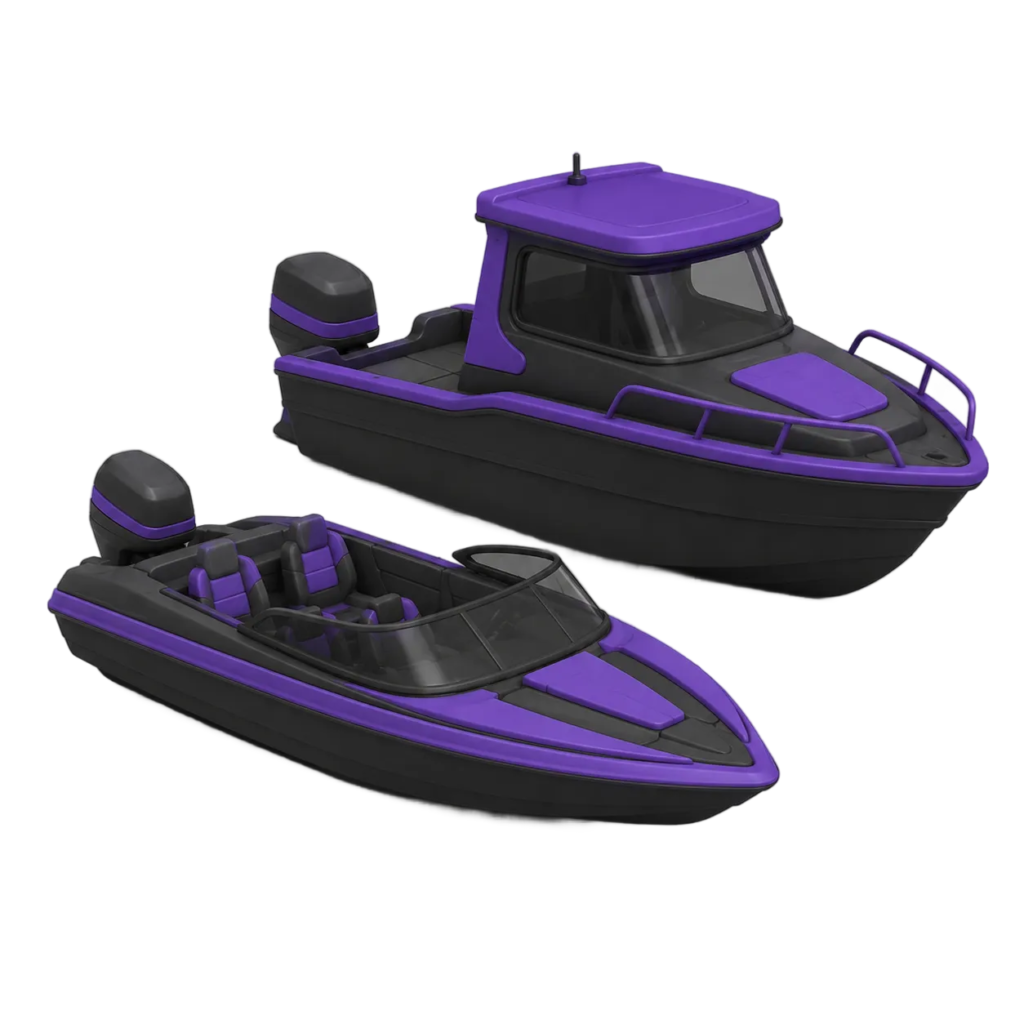
- Sailboats and sailing dinghies
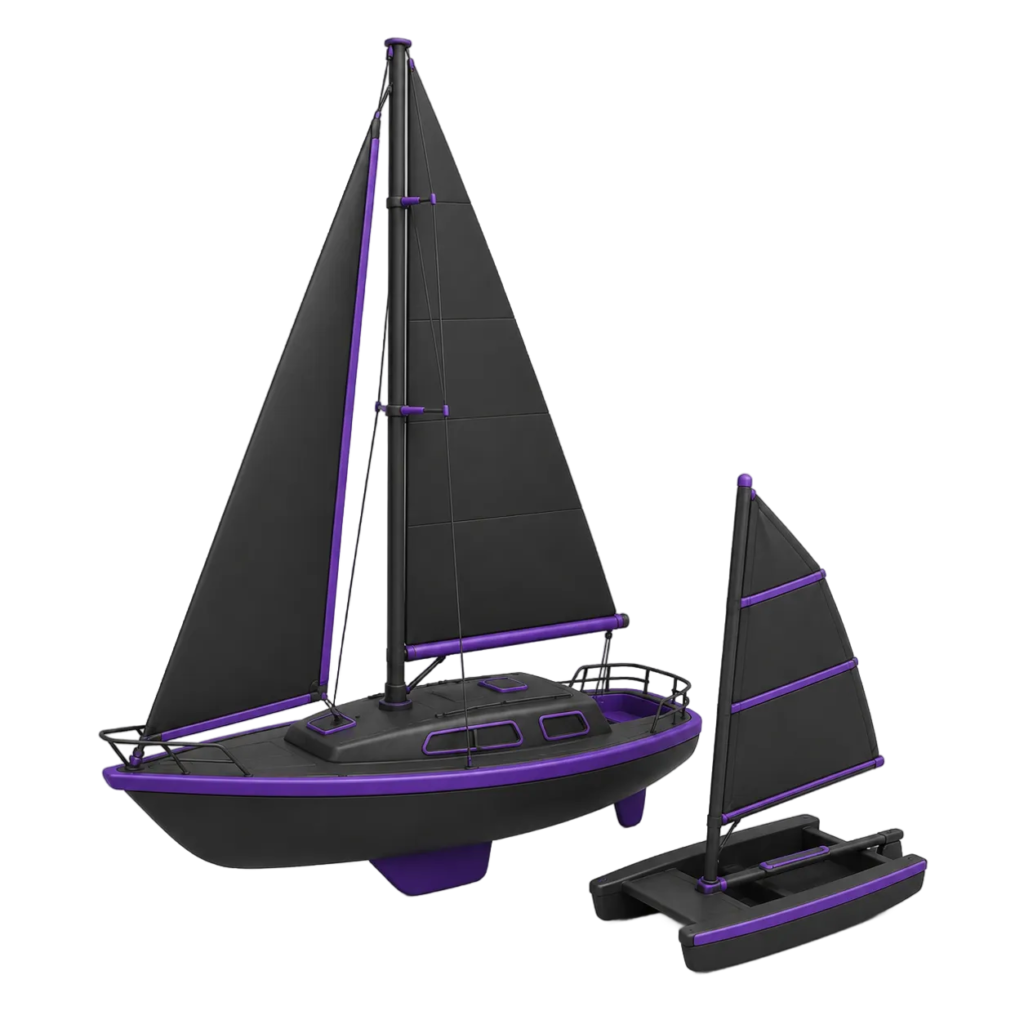
- Pontoon boats
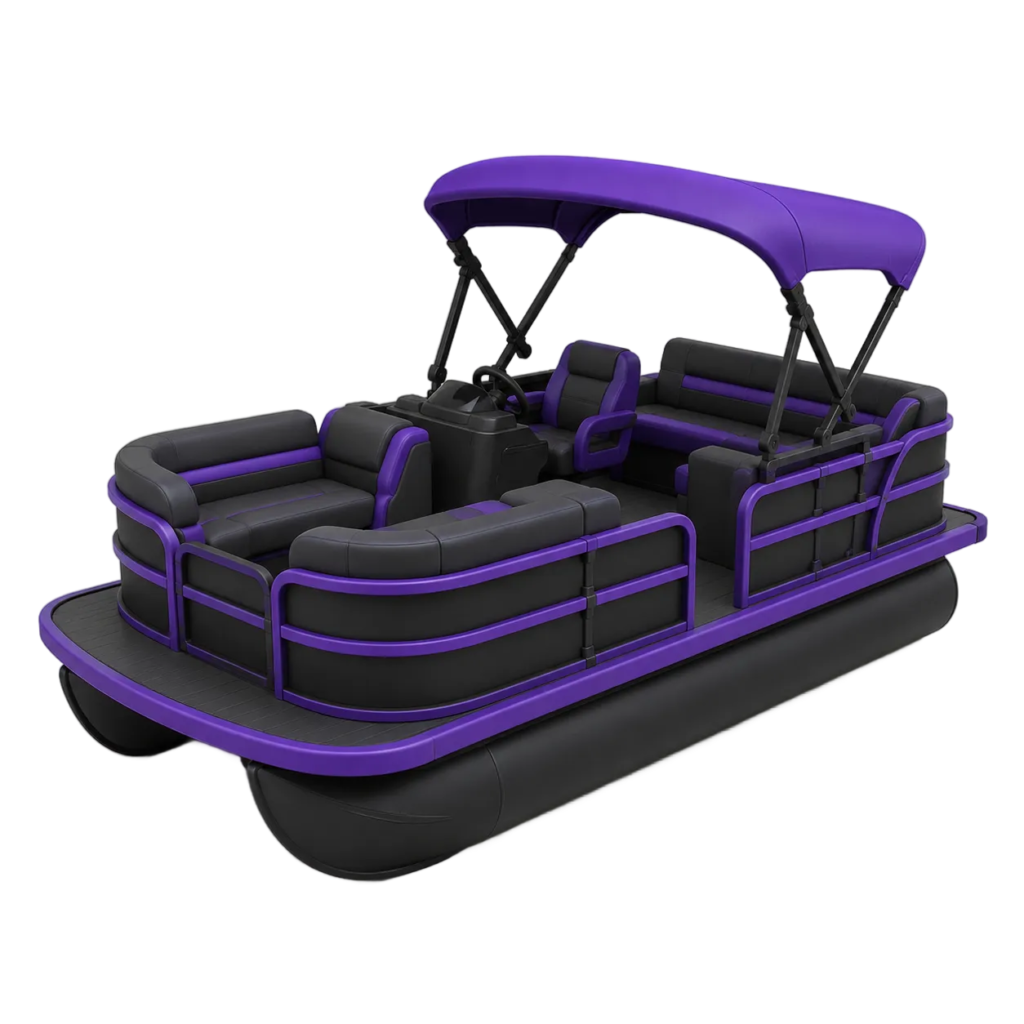
- Fishing boats
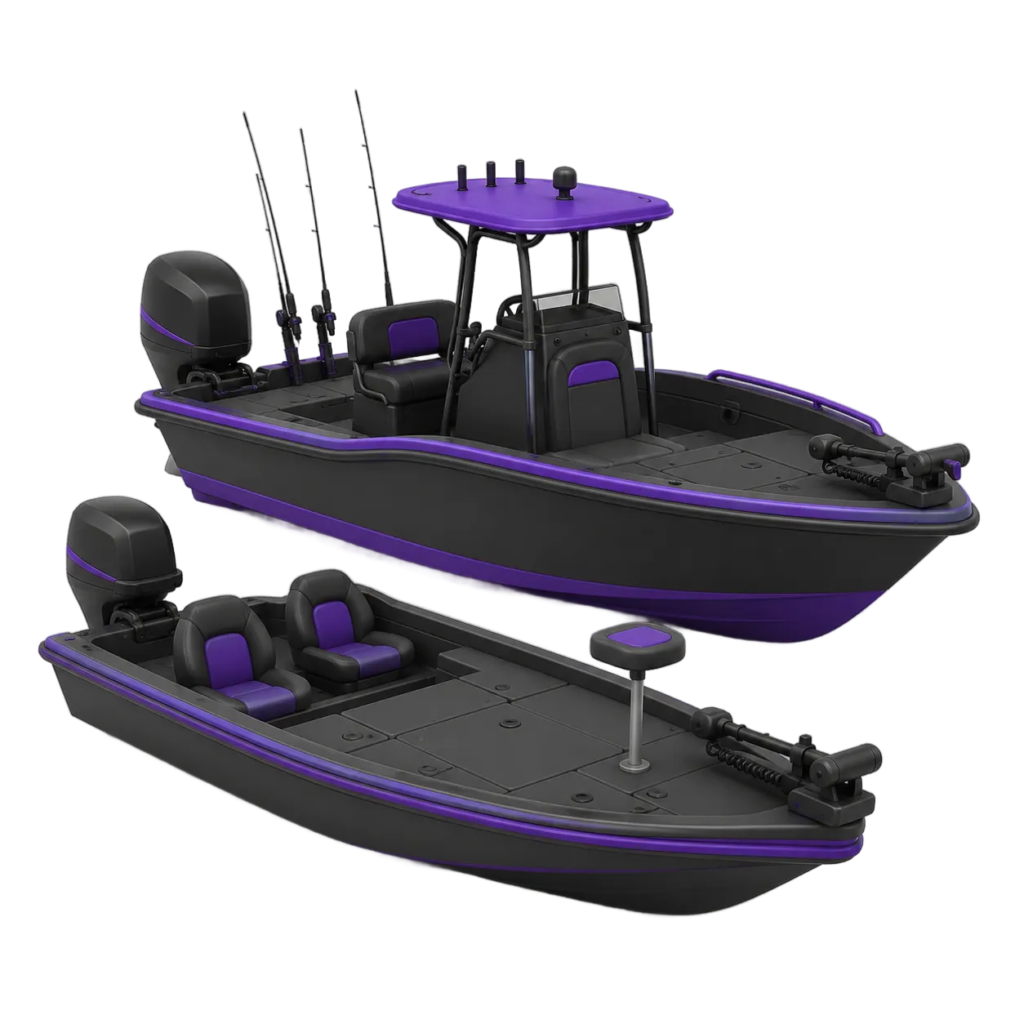
- Personal watercraft (jet skis and similar)

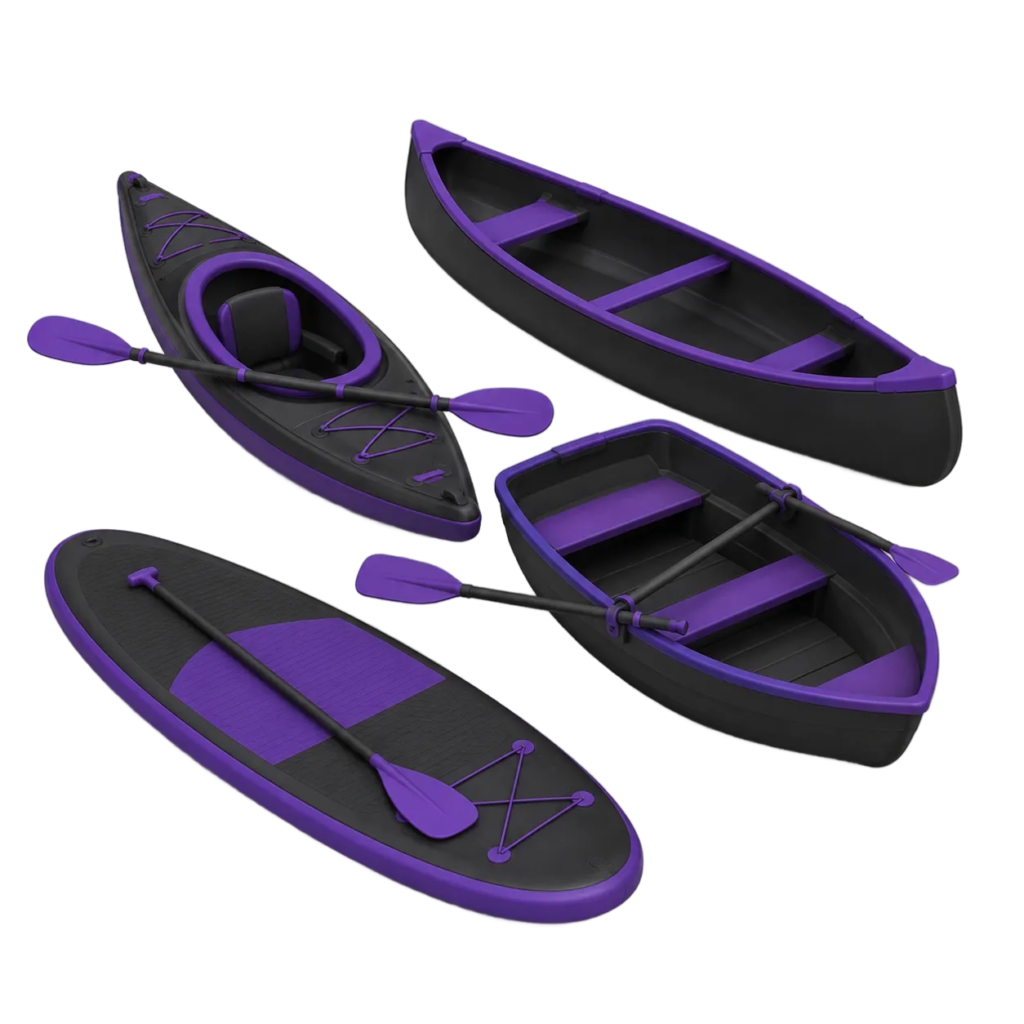
- Small non-powered watercraft: kayaks, canoes, rowboats, dinghies, paddleboards, and paddle boats
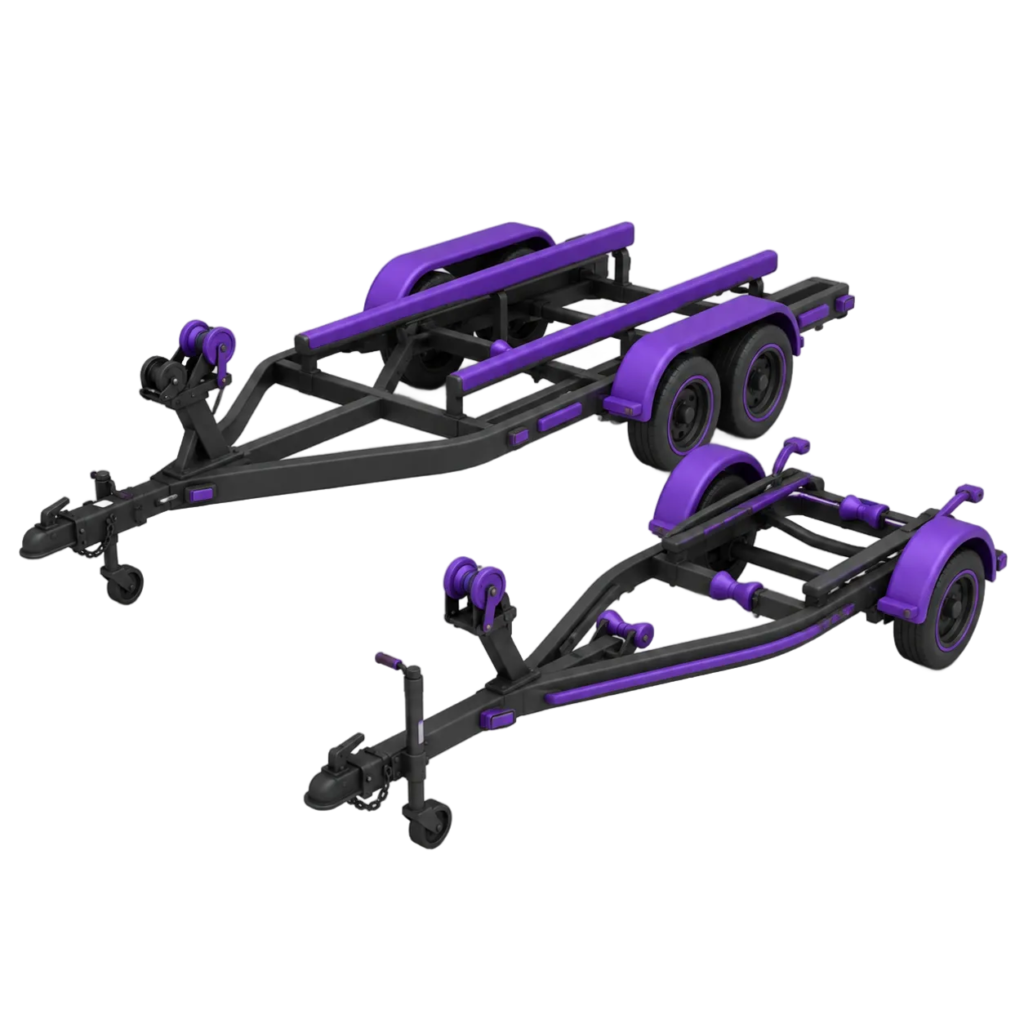
- Boat trailers, with or without a vessel attached
- Catamarans, yachts, and other larger vessels subject to additional review
Conditions Reviewed
- Non-running or mechanically failed boats
- Storm-damaged or fire-damaged hulls
- Rotting, fiberglass-cracked, or structurally compromised vessels
- Abandoned boats on private or commercial property
- Boats with incomplete or unclear ownership history - documentation needs are assessed during job review
- Vessels in tight or restricted-access locations such as enclosed yards, narrow driveways, or boat slips
- Boats with trailers in poor or unknown condition
Submerged boats, houseboats, and vessels over 40 feet require additional review before we can confirm scheduling. Fuel, oil, batteries, and other hazardous materials also require a separate assessment; our team will address those specifics during the estimate conversation.
The Toledo Boat Removal Process
The process starts with photos, not a one-size-fits-all answer. We use the boat, trailer, and access details to build the scope before a crew arrives.
- Submit your details. Send the service address, photos of the boat from multiple angles and the full access path, the vessel type and approximate length, motor type if applicable, current condition, and whether a trailer is involved. Note any site rules, gate codes, or project deadlines.
- Job review. Our team reviews the photos and information to determine the right removal method, whether an on-site assessment is needed, and whether any authorization or ownership documentation should be addressed. If the applicable requirements are unclear, a representative will reach out to discuss the situation before the estimate is finalized.
- Estimate and scope. We provide a transparent, job-specific quote that reflects the boat's size, condition, access constraints, trailer status, any dismantling work involved, transport requirements, and appropriate disposal routing. Nothing is scheduled until you accept the scope.
- Schedule removal. We confirm the removal window with you. Faster scheduling may be available when the calendar and job conditions allow, but it cannot be promised.
- Removal and haul-away. Our crew or a verified licensed and insured partner crew carries out the approved method. The site is left clear once the job is complete.
- Final payment. The balance is collected only after the job is finished.
Boat Removal and Disposal Pricing
Pricing depends on vessel size, type, condition, access, trailer involvement, and the approved removal method. The figures below are starting points, not a flat rate for every job.
- Small non-powered watercraft (kayaks, canoes, rowboats, dinghies, paddle boats, paddleboards)
- Starting at $850 flat
- Powered personal watercraft and sailing dinghies
- Starting at $1,200 flat
- Motorboats and sailboats
- $1,000 minimum; final quote depends on length, motor type, access, trailer condition, any on-site dismantling required, transport, and disposal needs
Deposit Structure
- Motorboats and small watercraft: 25% deposit to book
- Sailboats: 35% deposit to book
- The remaining balance is collected after the job is complete - not before
Factors that can move the estimate higher include restricted or narrow access, a damaged or non-functional trailer, a vessel that requires complete on-site dismantle before hauling away, fuel or oil that needs separate assessment, or a boat larger than typical for its category. Submit your photos and details for an accurate, job-specific quote.
Access, Trailers, and Ownership Review
Two practical questions shape almost every removal plan: how do we get to the boat, and is the ownership situation straightforward?
Site Access
Access affects both the method selected and the final cost. A boat sitting on a wide open driveway is a different job from one parked deep in a fenced backyard, behind a locked marina gate, or on a narrow dock with limited turning room. When you submit photos, include the full access path from the street to the vessel so the crew can plan correctly before arriving on site.
Trailer Condition
If a trailer is involved, note whether it is functional, has flat tires, a rusted frame, or is otherwise compromised. The trailer's condition directly affects whether the boat can be towed as a unit or whether a different approach is needed. Include photos of the trailer alongside the boat photos.
Ownership and Authorization
Ohio law addresses watercraft titles as evidence of ownership and sets transfer requirements; current records should be confirmed through the appropriate state or county office. Beyond state law, specific documentation needs vary by job - they depend on the vessel's history, where it is located, and how authorization is established for its removal. We do not publish a universal checklist because requirements differ from one situation to the next. If your situation involves an estate, an abandoned vessel, a marina or storage-facility policy, or any ownership uncertainty, speak with an EZ Hauling representative during the estimate process to clarify what may be needed before scheduling.

Boat Salvage, Disposal, and What May Recycle
Trying to dispose of a boat that no longer moves? The practical answer depends on the hull, trailer, access, and site. We select one of the following approaches only after reviewing the job.
Whole-Boat Transport
When a boat and trailer are in usable condition and access allows, we may haul the vessel as a complete unit. This is typically the most straightforward option, but it depends on trailer integrity, road clearance, and whether the size of the vessel permits road transport.
Towing
Some removals involve towing the boat on its own trailer or with a separate tow vehicle. The tow option is assessed during the review of photos and trailer condition; a compromised trailer may rule it out.
On-Site Dismantling and Debris Hauling
When a boat cannot be transported whole - because of its condition, restricted access, a non-functional trailer, or other site factors - a complete on-site dismantle may be the right approach. The vessel is broken down on the property, and the resulting ordinary debris is hauled away. This is a legitimate, practical option for many junk boat situations and is not a last resort; for some boats, it is simply the most direct path to a cleared property.
Conditional Boat Salvage, Recycling, or Disposal
Some materials may qualify for salvage or recycling when a receiving facility confirms acceptance. That option is reviewed job by job. Not every material can recycle through a local facility, and the written scope explains the route that applies.

Boat Removal Across Lucas County
We review jobs at residential properties, commercial lots, storage facilities, docks, and managed sites. The same boat can be a simple haul in an open driveway and a different job behind a fence, so access photos matter.
Off-site facility acceptance and any site-specific requirements are confirmed during the estimate. EZ Hauling Services is licensed and insured, and partner crews used for covered jobs are verified as licensed and insured.

Nearby Service Areas
Boat Removal Near Toledo
Frequently Asked Questions
What information do I need to submit to get a quote?
Send the service address, clear photos of the boat from multiple angles plus the full access path, the vessel type and approximate length, motor type if applicable, overall condition, whether a trailer is included and its condition, and any site rules or hard deadline. The more complete the photo set, the more accurate the initial estimate. In some cases, an on-site assessment may still be needed before a final scope is confirmed.
Can you remove a sailboat that no longer runs?
Yes, we review non-running and long-idle boats. Access, hull condition, rigging, keel, and trailer status determine whether the boat can be hauled whole, conditionally towed, or dismantled on site. Send photos that show rot, damage, and trailer issues.
Will I need to provide ownership paperwork or other documentation?
Documentation needs vary by job. Ohio law addresses watercraft titles and transfer requirements, but what's actually required for a specific removal depends on the vessel's history, location, and the circumstances of the removal. We do not publish a single checklist that applies to every situation. If ownership, authorization, or estate-related questions apply to your job, discuss them with an EZ Hauling representative during the estimate process - do not assume a document is or is not required until the situation has been reviewed.
Does the boat have to be hauled away in one piece?
Not necessarily. The removal method is chosen after reviewing the photos, the vessel's condition, access constraints, and trailer status. Some boats are transported whole; others are towed as a unit. When access is restricted, the trailer is non-functional, or the hull is too deteriorated for road transport, the boat may be completely dismantled on site and the debris hauled away. The method that fits your specific job is determined during the review - not applied as a universal rule.
How soon can the removal be scheduled?
Timing depends on the current schedule, job complexity, and whether an on-site assessment is needed. Once the estimate is accepted, we'll confirm a removal window directly.
Are boat trailers included in the removal?
Trailer removal can be part of the job, and the trailer's condition is a key input in the estimate. A functional trailer may allow the boat to be towed or hauled as a unit; a trailer with structural damage, flat tires, or title complications may affect the method and the pricing. Include trailer photos and note any known issues when you submit your estimate request.
Request a Boat Removal Estimate
Ready to clear an old or junk boat from your property? Submit the address, photos, vessel details, and access notes for a job-specific estimate. You'll see the scope and approved boat disposal method before you book, and the remaining balance isn't due until the work is complete.
Request your estimate online or call us directly at (888) 401-7041. Our team will review your submission, reach out if additional information is needed, and provide a transparent quote before anything is scheduled.