Camping Gear Removal and Pickup Service
Old tents, torn sleeping bags, rusted camp stoves, and bulky coolers pile up fast in garages and closets. Our Camping Gear Removal service clears heavy, awkward outdoor equipment from your space so you can reclaim storage without wrestling with loads or repeated trips to a facility.
Why Book This Pickup
Clearing worn-out camping equipment is heavy, dusty work that eats a weekend. Our crews handle the lifting, sorting, and loading so you skip the hassle.
Full heavy lifting
We carry bulky tents, packed totes, and heavy coolers from the garage, basement, or attic so you avoid the strain.
Mixed loads welcome
Combine old outdoor gear with other non-hazardous junk in one visit, and we handle the volume and item count together.
Thoughtful routing
Usable gear may head to donation and recyclable materials to recycling when practical, based on condition and local options.
When People Book Camping Gear Removal
Most requests come after a garage cleanout, a downsizing move, or when outdoor equipment has sat unused for years. Broken tent poles, mildewed sleeping bags, dented coolers, and old folding chairs stack up quickly. Whether you are clearing one corner or an entire storage room, we sort, lift, and haul away the unwanted items for you.
Camping Gear We Take
We haul a wide range of outdoor and camping equipment, from small worn items to bulky pieces. If your gear is non-hazardous and no longer wanted, it likely fits one of the categories below.
Tents and canopies
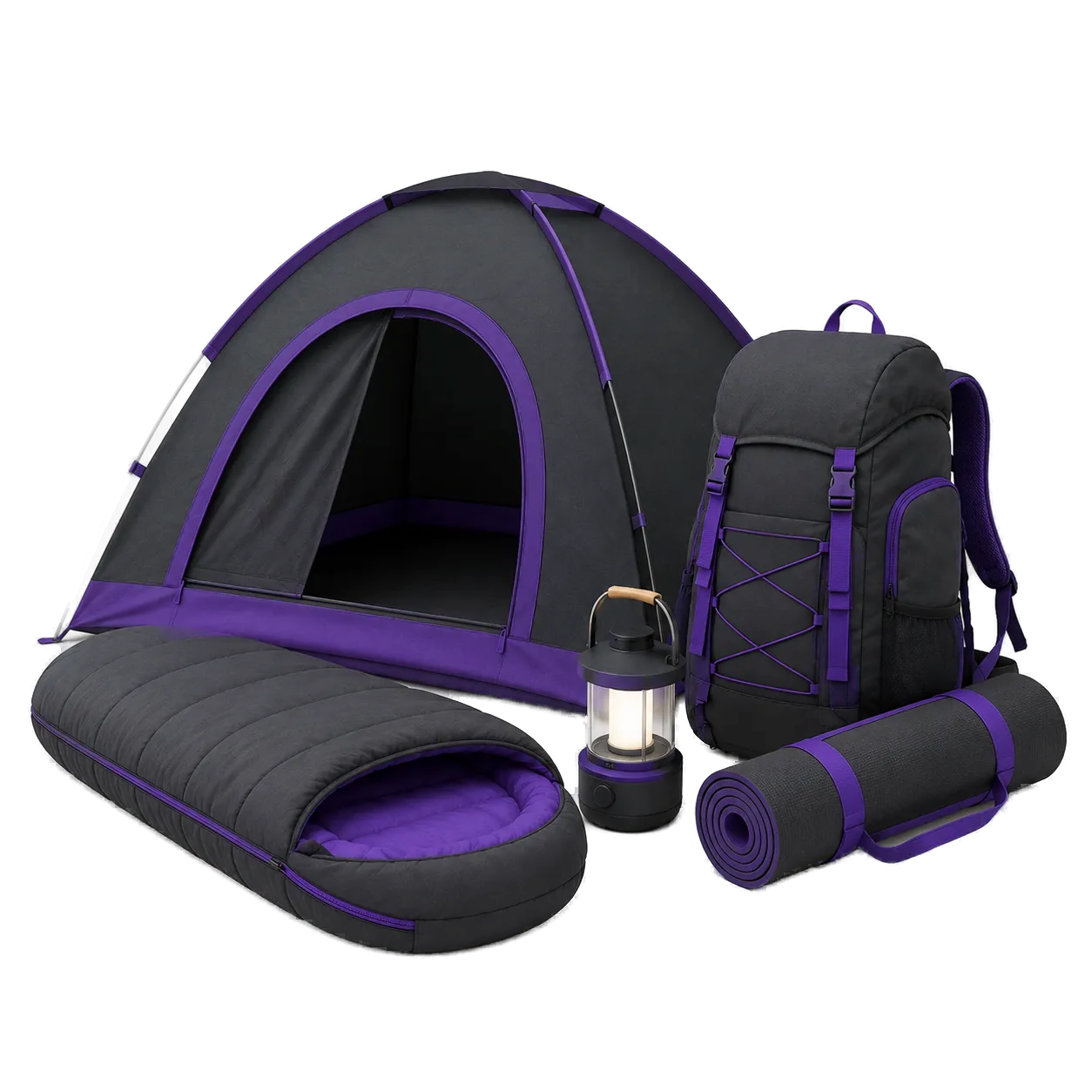
Dome tents, family cabin tents, screen houses, and pop-up canopies, including bent poles, torn fabric, and mismatched sets.
Sleeping gear
Sleeping bags, air mattresses, cots, foam pads, and hammocks that are mildewed, deflated, or otherwise past their useful life.
Coolers and containers
Hard-shell coolers, soft coolers, storage totes, and water jugs, including cracked or oversized units taking up shelf space.
Camp furniture and stoves
Folding chairs, camp tables, cook stations, and empty camp stoves without fuel canisters attached or stored inside them.
Backpacks and accessories
Frame packs, daypacks, lanterns, tarps, and miscellaneous gear bins that have collected in a garage or basement corner.
What Shapes Your Quote
Pricing depends on the load, not a flat rate. A few clear details help us estimate crew time and disposal planning accurately before we arrive.
Volume and item count
A single tent differs from a full storage room, so total space used and the number of items shape the estimate.
Weight and bulk
Water-logged tents, packed totes, and large coolers add weight, which affects lifting effort and disposal handling.
Stairs and access
Attic pulldowns, basement stairs, tight hallways, and narrow doorways add carry time and influence how crews plan the pickup.
Carry distance
The path from where gear sits to the truck matters, especially long garage runs or distant curbside staging areas.
Disassembly needs
Some frames, cots, or shelving require breakdown; disassembly may be needed and can add a little crew time.
Pickup Options
Choose the approach that fits your space and how much handling you want. Each option covers the loading, and you decide how the gear is staged.
In-home pickup
We enter the garage, basement, or attic, lift the gear from where it sits, and carry each item out for you.
Curbside or outdoor pickup
Set gear at the curb, driveway, or yard, and we load it directly from there to keep the visit quick.
Multi-item pickup
Combine camping gear with other unwanted household or outdoor junk so multiple items leave in one efficient stop.
How to Prep the Gear
A little prep speeds up the visit and keeps everyone safe. Focus on clear paths, separating keepers, and flagging anything heavy or fragile.
Clear the walkways
Open a path from the storage area to the door so crews can move totes, coolers, and tents without obstacles.
Empty containers
Empty coolers, totes, and bags of loose contents, and remove any fuel canisters before we handle camp stoves.
Separate keep items
Set aside gear you want to keep so only the unwanted items are staged for pickup and hauling.
Flag heavy pieces
Point out oversized coolers, packed bins, and fragile floors or stairs so crews plan safe lifting and carry routes.
Disposal, Donation, and Recycling
Where gear still has life, we may route usable tents, sleeping bags, and coolers to donation, and steer metal frames or plastics toward recycling when local options allow. Condition, cleanliness, and available facilities all factor in, so outcomes vary and cannot be promised. We keep non-hazardous items out of your space and handle disposal planning for you.
How the Process Works
Booking removal help is straightforward. Share a few details, confirm access, and we handle the heavy work when the crew arrives.
Send item details
Tell us what gear you have, the rough quantity, and where it sits so we can size the job.
Share photos
A few clear photos of the pile and the access path help us refine crew time and the estimate.
Confirm access
Note stairs, attic pulldowns, tight doorways, or long carry paths so the crew comes prepared for the layout.
Review quote
We share an estimate based on volume, weight, access, and disassembly needs, and you decide when to proceed.
Pickup and haul away
On pickup day the crew lifts, loads, and hauls the gear, then routes it toward donation, recycling, or disposal.
Frequently Asked Questions
What camping items do you accept?
We take tents, sleeping bags, cots, coolers, camp chairs, tables, empty stoves, tarps, lanterns, and packs. Items should be non-hazardous and free of fuel canisters or chemicals.
Can you remove gear from my attic or basement?
Yes. With in-home pickup, crews carry gear up from basements or down from attics. Flag stairs, pulldowns, and tight doorways so the team plans a safe route.
Do I need to empty coolers and totes first?
Please empty coolers, bags, and totes of loose contents and remove any fuel canisters. Empty containers are lighter, safer to carry, and easier to route for disposal.
Will my old gear be donated or recycled?
When practical, usable gear may go to donation and recyclable materials to recycling based on condition and local options. Outcomes vary, so we cannot promise a specific result.
How is the price determined?
The estimate reflects volume, weight, item count, stairs, carry distance, access, disassembly needs, and crew time. Sharing photos and details up front helps us quote accurately.
Related Pages
Ready to Clear the Gear?
Tell EZ Hauling Services what outdoor equipment is taking up space, and we will handle the lifting, loading, and disposal planning. Send details and photos to get started with your Camping Gear Removal quote today.