Storm Debris Removal and Yard Waste Pickup
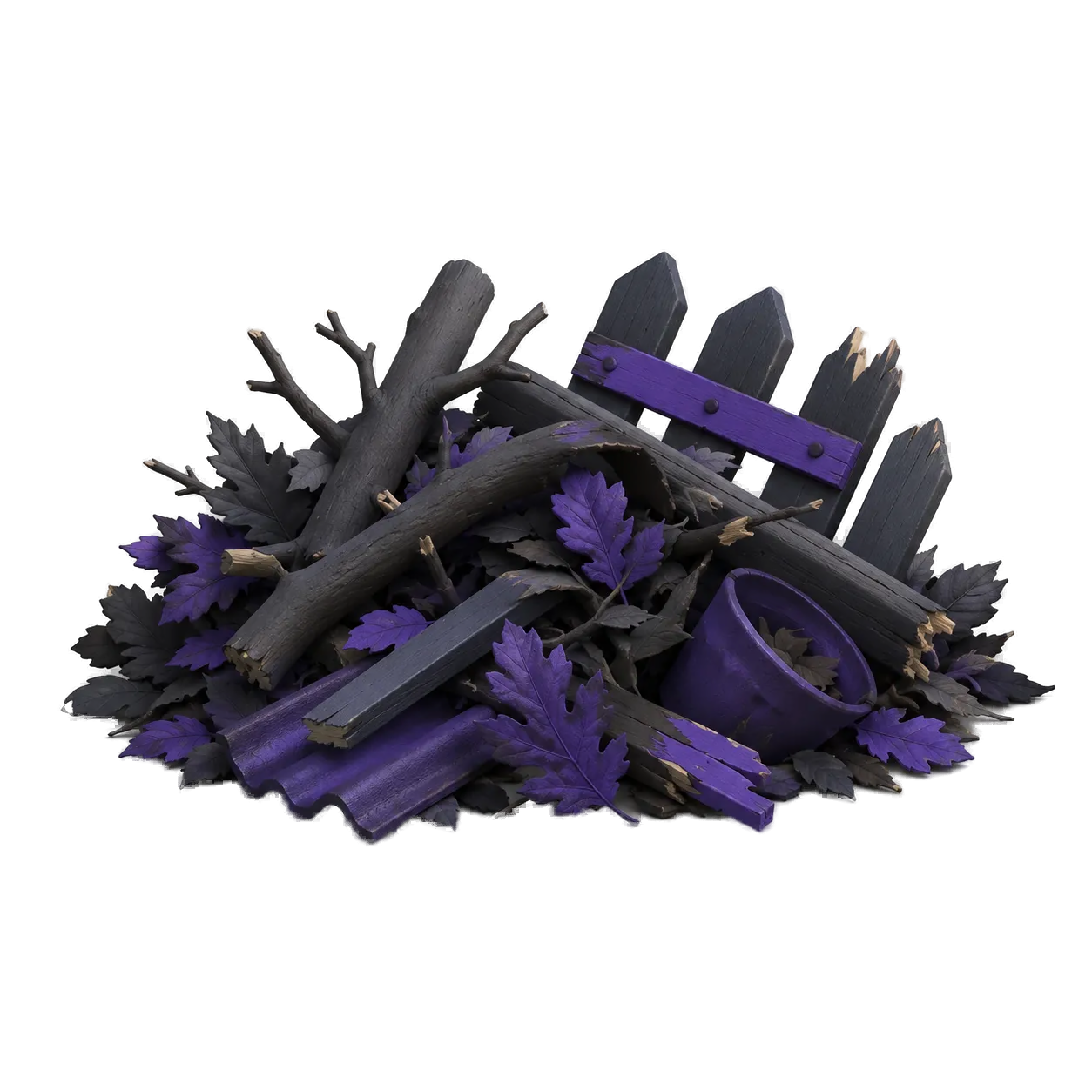
After heavy weather, yards fill with broken limbs, snapped branches, torn fencing, and scattered organic wreckage. Storm Debris Removal clears these tangled, heavy piles so your property is walkable again. Our crews handle the lifting, loading, and hauling of non-hazardous storm mess, working around access points, tight gates, and cluttered outdoor spaces.
Why Book Storm Cleanup Hauling
Storm wreckage is heavy, tangled, and awkward to move alone. Booking pickup saves your back and clears outdoor space faster.
Heavy Lifting Handled
Our crew loads waterlogged limbs, split trunks, and dense brush piles so you avoid strain and repeated trips to the curb.
Mixed Loads Welcome
Storm cleanup mixes branches, leaves, broken fencing, and scattered yard debris, and we haul these non-hazardous items together in one visit.
Access-Aware Crews
We plan around gates, fences, tight side yards, and carry distance so bulky debris moves out without damaging your property.
Cleanup Support After the Weather Clears
Homeowners and property managers often need fast help once storms pass and yards are buried in downed limbs and debris. Storm Debris Removal focuses on non-hazardous organic and yard material, not utility work. We coordinate pickup timing, review access details, and plan hauling so scattered wreckage leaves your outdoor space without extra hassle or heavy lifting on your end.
Storm Debris We Take
We haul a wide range of non-hazardous storm wreckage from residential and commercial yards. If your pile mixes several materials, share photos so we can plan the load and crew time.
Downed Branches and Limbs
Snapped branches, split limbs, and heavy fallen boughs are common after storms, and we load these dense pieces for you.
Broken Brush and Brush Piles
Tangled brush, hedge sections, and scattered undergrowth get bundled and hauled, even when the pile is dense and waterlogged.
Downed Small Tree Sections
Fallen small trees and cut trunk sections can be removed; heavier pieces may need cutting or disassembly when needed for loading.
Damaged Fencing and Yard Panels
Broken wood fencing, cracked lattice, and displaced yard panels count as debris we can haul from the property.
Scattered Leaves and Yard Litter
Piled leaves, blown yard litter, and loose organic mess left behind by wind rounds out a full cleanup load.
What Shapes Your Quote
Storm debris varies widely, so pricing depends on the size and weight of the mess. These factors help us estimate crew time and hauling effort before we arrive.
Volume and Weight
Large, waterlogged, or dense piles take up more truck space and add weight, which influences the overall hauling estimate.
Number of Items
A mix of limbs, panels, and separate debris piles affects loading time compared with one tidy, consolidated stack.
Access and Carry Distance
Long carries from the backyard, narrow gates, or blocked paths add effort and time to move debris to the truck.
Disassembly Needs
Large trunk sections or bulky fencing may require cutting or disassembly when needed, which factors into crew time.
Disposal Routing
Where the material goes depends on condition and available local options, and routing effort is reflected in the estimate.
Pickup Options for Yard Debris
Storm mess lands in different spots, from open yards to garage entries. Choose the pickup style that matches where your debris is piled.
In-home pickup
For debris tracked into a garage, porch, or covered area, our crew retrieves it from inside those spaces and hauls it out.
Curbside or outdoor pickup
Pile branches, brush, and yard debris near the curb or driveway, and we load directly from that outdoor staging spot.
Multi-item pickup
Combine limbs, broken fencing, leaf piles, and other scattered wreckage into one visit for a full mixed cleanup load.
How to Prep for Pickup
A little prep speeds up loading and helps us plan crew time. Focus on access, staging, and flagging anything heavy or fragile before we arrive.
Clear the Walkways
Open a clear path from the debris pile to the driveway or curb so the crew can carry loads safely and quickly.
Stage Debris Together
Consolidate scattered branches, brush, and yard litter into grouped piles when possible to reduce back-and-forth during loading.
Flag Heavy or Fragile Spots
Point out heavy trunk sections, fragile surfaces, or delicate landscaping so the crew can plan lifting and carry routes carefully.
Separate Keep Items
Set aside anything you want to keep, since mixed piles can hide tools, planters, or salvageable pieces you still need.
Where Storm Debris Goes
Once loaded, organic yard debris is routed based on condition and available local options. Clean woody material and brush may head toward recycling or composting where practical, while damaged fencing and mixed loads follow appropriate disposal paths. We never promise a specific outcome, and we focus only on non-hazardous storm material rather than fuel, chemicals, or connected utility components.
How Pickup Works
Booking hauling help is straightforward. Share details about your storm mess, confirm access, and we handle the heavy loading and haul away.
Send item details
Describe the debris, rough pile size, and materials involved so we can estimate volume, weight, and expected crew time.
Share photos
Photos of the piles and surrounding access help us plan loading, carry distance, and any disassembly needed for large pieces.
Confirm access
Let us know about gates, narrow paths, stairs, or blocked routes so the crew arrives ready for the yard layout.
Review quote
We provide an estimate based on volume, weight, access, and disposal routing so you know the scope before booking.
Pickup and haul away
Our crew loads the debris, clears the staging area, and hauls the non-hazardous storm mess off your property.
Frequently Asked Questions
What kind of storm debris do you haul?
We take non-hazardous yard wreckage like downed branches, brush, small tree sections, broken wood fencing, and scattered leaves. Share photos so we can plan the load and crew time.
Can you remove large fallen tree sections?
We can haul small trees and cut trunk sections. Very large or heavy pieces may need cutting or disassembly when needed, so describe sizes in advance for accurate planning.
Do I need to pile the debris before pickup?
Grouping branches and yard litter into staged piles speeds loading, but it is not required. Clearing walkways and flagging heavy pieces also helps the crew work efficiently.
What affects the cost of storm cleanup?
Volume, weight, number of items, access, carry distance, disassembly, and disposal routing all shape your estimate. Denser, waterlogged, or hard-to-reach piles typically take more crew time.
Is there anything you cannot take?
We handle non-hazardous debris only. We cannot remove fuel, chemicals, asbestos, medical waste, or anything tied to connected gas, electric, or plumbing utility systems.
Related Pages
Ready to Clear Your Yard?
Let EZ Hauling Services handle the heavy lifting after the storm. Send details and photos of your debris piles, confirm access, and we will plan pickup so your outdoor space is clear again.