Fifth Wheel Camper Removal for Old Fifth Wheel RVs
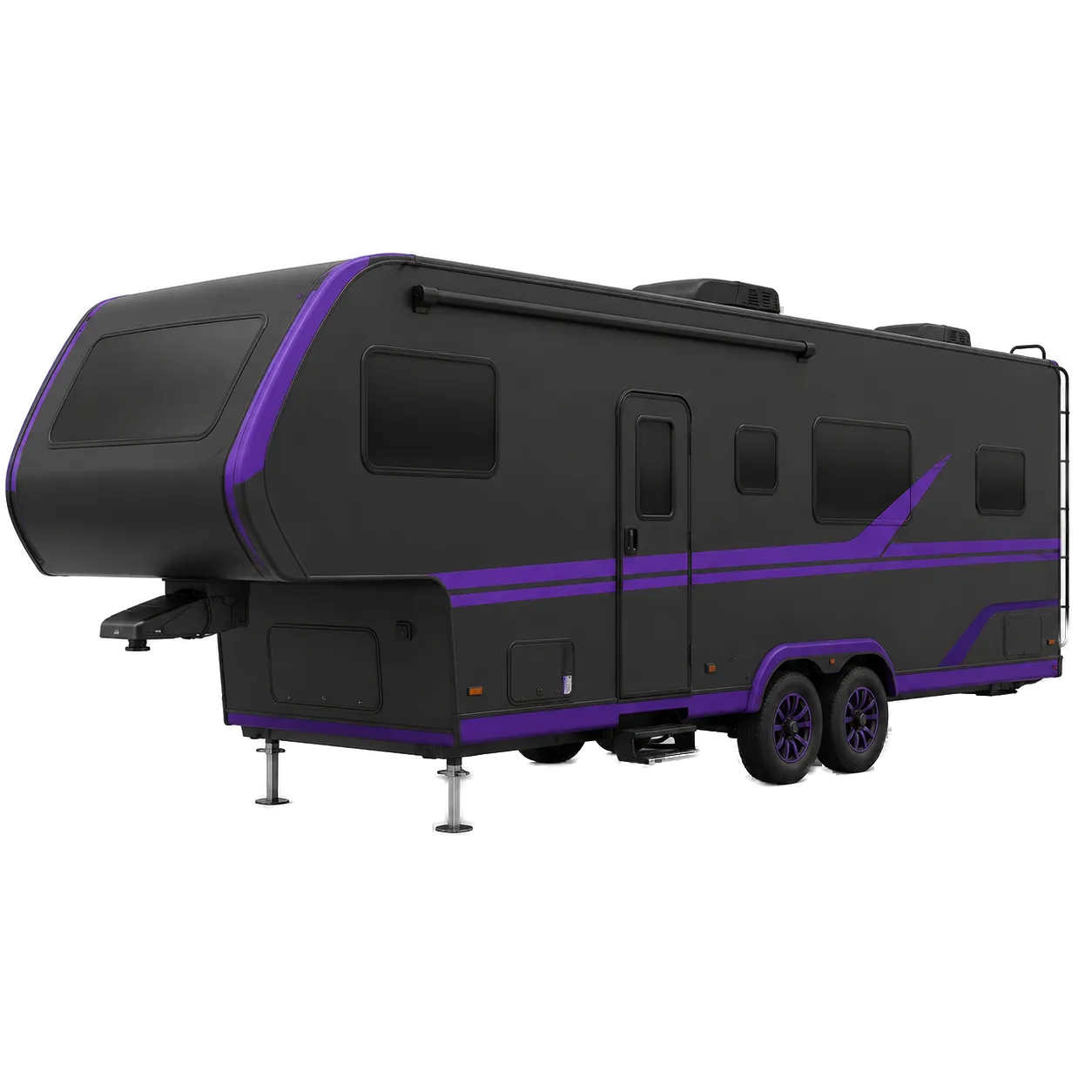
Fifth Wheel Camper Removal covers running and non-running units parked on a driveway, field, or storage lot. Whether the camper has flat tires, seized brakes, a dead battery, or extended slide-outs, we plan the access, towing, and haul away so you can clear the space without wrestling the trailer yourself.
Why This Service Fits Fifth Wheel Campers
Fifth wheel campers are heavy, tall, and awkward to move once they stop rolling. Our pickup approach is built around those real-world conditions.
Built for dead-weight units
We plan for campers that no longer roll, including flat tires, seized brakes, or a dead battery that blocks normal hitching and towing.
Access-first planning
We review clearance, turning room, and ground conditions before pickup so a long fifth wheel can be repositioned and hauled safely.
One coordinated pickup
You share details once, and we handle loading or towing, slide-out and awning checks, and haul away in a single scheduled visit.
When Fifth Wheel Camper Removal Makes Sense
People look for camper haul away when a fifth wheel sits unused, fails inspection, or takes up a driveway or storage lot they need back. Others inherit a unit, face water damage, or simply want the old camper gone before selling a property. If the trailer will not tow, has soft floors, or cannot be repaired affordably, planned removal help is usually the practical path forward.
Fifth Wheel Campers We Take
We handle a wide range of fifth wheel campers, from compact half-ton models to larger residential-style units. Condition matters less than access and weight, so most non-running trailers still qualify for pickup.
Half-ton and lightweight fifth wheels
Shorter, lighter campers designed for smaller trucks, including units with a single slide-out and standard rear or side entry layouts.
Full-size family fifth wheels
Mid-length campers with multiple slide-outs, bunk areas, and larger holding tanks that need extra clearance for repositioning and towing.
Non-running or storm-damaged units
Campers with flat tires, seized brakes, dead batteries, water intrusion, or soft floors that can no longer be towed on the road.
Older or dated fifth wheels
Aging campers with worn interiors, failing seals, or outdated systems that are no longer worth repairing or reselling.
Project campers you never finished
Partially gutted or mid-renovation units taking up space, including trailers with disconnected wiring or removed appliances and fixtures.
What Affects Your Quote
Every fifth wheel is different, so the estimate reflects the unit itself and the site. These are the main factors we weigh when planning your pickup.
Length, type, and weight
Overall length and loaded weight drive the equipment needed, since a longer camper takes more room to maneuver and haul.
Mobility and tires
Whether the camper rolls matters. Flat tires, seized brakes, or a dead battery add steps to reposition and load the unit.
Access and clearance
Narrow gates, low branches, tight turns, or soft ground can limit approach and change how the trailer is moved.
Contents and add-ons
Leftover belongings, extended slide-outs, awnings, or attached accessories affect handling time and how the camper is secured.
Loading or towing complexity
Site layout decides whether towing or loading is simpler, and disassembly may be needed when clearance is very limited.
Pickup Options for Fifth Wheels
Fifth wheel campers sit in many places, so we adapt the pickup to your location. Choose the option that matches where the unit is parked.
On-property RV pickup
We collect campers parked at a home or on private land, planning driveway access and clearance before repositioning and hauling the unit.
Storage-lot or outdoor pickup
We coordinate with storage-lot layouts and gate hours so a fifth wheel can be pulled from a tight space and removed.
RV, camper, and trailer pickup
Beyond fifth wheels, we handle motorhomes, travel trailers, and campers, matching the right approach to each unit's size and condition.
Prep and Handling Details
A little preparation makes the pickup faster and safer. Focus on utilities, propane, contents, and access so the camper is ready to move on pickup day.
Disconnect utilities first
Water, electric, and any sewer connections should be disconnected and capped before pickup so nothing is under active service.
Handle propane safely
Close and secure propane, and remove tanks where possible, since fuel and pressurized gas cannot be transported with the camper.
Clear personal contents
Remove valuables and loose belongings from cabinets, closets, and storage bays so the unit is ready and nothing is lost.
Retract and secure add-ons
Bring in slide-outs and awnings where they still work; note any that are stuck so we can plan around them.
How Disposal Is Handled
Once loaded, the camper is routed for responsible processing. RV materials and usable parts may be separated where practical, and metal, appliances, and salvageable components are directed toward reuse or recycling channels when possible. Utilities and propane must be disconnected or handled safely before pickup. We cannot promise exact salvage or recycling outcomes, since they depend on the unit's condition and local facilities.
How Fifth Wheel Camper Removal Works
The process is simple and built to reduce surprises. Share a few details up front and we plan the rest around your camper and site.
Send item details
Tell us the camper's length, type, weight, and whether it rolls, plus tire, brake, and battery condition.
Share photos
Send pictures of the unit, slide-outs, awnings, and the path in so we can gauge access and clearance.
Confirm access
We review gates, turning room, ground conditions, and overhead clearance to decide whether towing or loading is the better approach.
Review quote
You get an estimate based on the unit, mobility, access, contents, and any add-ons before anything is scheduled.
Pickup and haul away
On the scheduled visit, the team repositions the camper, secures it, and hauls the unit away for processing.
Frequently Asked Questions
Can you take a fifth wheel camper that will not tow?
Yes. Non-running units with flat tires, seized brakes, or a dead battery are common. We plan the repositioning and equipment needed to move and load the camper safely.
Do I need to empty the camper before pickup?
Please remove personal belongings and valuables from cabinets and storage bays. Clearing contents speeds up handling, keeps items from being lost, and helps the crew work more safely.
What do I do about propane and utilities?
Disconnect water, electric, and sewer connections and secure or remove propane before pickup. Fuel, pressurized gas, and live utilities cannot be transported with the unit.
What if my camper is in a tight storage lot?
Share photos of the space, gates, and turning room. We review clearance and layout to plan whether towing or loading fits, and disassembly may be needed in very tight spots.
How is the price for removal decided?
Estimates reflect length, type, weight, mobility, tire and brake condition, access, clearance, contents, add-ons, and loading or towing complexity. Every fifth wheel and site is different.
Related Pages
Ready to Clear That Fifth Wheel?
Send a few details and photos of your camper and site, and EZ Hauling Services will plan the access, towing, and haul away. Request a quote today to get your driveway, field, or storage lot back.